

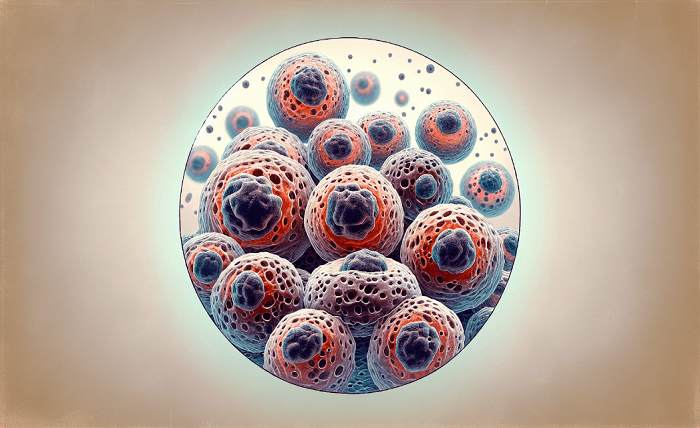
Introduction to HeLa Cells
HeLa cells are a type of immortal cell line that have been widely used in scientific research since their discovery in 1951. These cells were derived from a cervical cancer sample taken from Henrietta Lacks, a patient who died of cancer in 1951. HeLa cells have been instrumental in numerous scientific breakthroughs, including the development of the polio vaccine and the discovery of the link between human papillomavirus (HPV) and cervical cancer.
Characteristics of HeLa Cells
HeLa cells are characterised by their ability to divide indefinitely in culture, making them an ideal tool for studying cell biology and cancer. They have a doubling time of approximately 24 hours and can be easily grown in standard cell culture conditions. HeLa cells also have a unique genetic profile, with a high number of chromosomal aberrations and mutations that contribute to their immortality and rapid growth.
The Role of HeLa Cells in Cancer Research
HeLa cells have been used extensively in cancer research due to their ability to mimic the behaviour of cancer cells in the body. They have been used to study the mechanisms of cancer cell growth, invasion, and metastasis, as well as to test the effectiveness of various cancer treatments.
HeLa Cells and the Study of Cancer Cell Metabolism
One area where HeLa cells have been particularly useful is in the study of cancer cell metabolism. Cancer cells have a unique metabolic profile that allows them to survive and proliferate in the harsh conditions of the tumour microenvironment. HeLa cells have been used to study the metabolic adaptations of cancer cells, including their increased reliance on glucose and glutamine for energy production.
HeLa Cells and the Development of Cancer Therapies
HeLa cells have also been used to develop and test new cancer therapies. For example, they have been used to screen for drugs that selectively target cancer cells while sparing healthy cells. HeLa cells have also been used to study the mechanisms of drug resistance in cancer cells, which is a major obstacle in the treatment of many types of cancer.
The Tumour Microenvironment
The tumour microenvironment refers to the complex network of cells, molecules, and blood vessels that surround and support a tumour. This microenvironment plays a critical role in the growth and progression of cancer, as well as in the response to cancer therapy.
Components of the Tumour Microenvironment
The tumour microenvironment is composed of a variety of cell types, including cancer cells, immune cells, fibroblasts, and endothelial cells. These cells communicate with each other through a complex network of signalling molecules, such as growth factors, cytokines, and chemokines. The extracellular matrix, which is a network of proteins and other molecules that surrounds the cells, also plays a key role in the tumour microenvironment.
The Role of the Tumour Microenvironment in Cancer Progression
The tumour microenvironment plays a critical role in the progression of cancer. For example, the blood vessels that supply the tumour with oxygen and nutrients are often abnormal and leaky, which can lead to the accumulation of fluid and the creation of a hypoxic (low oxygen) environment. This hypoxic environment can promote the growth and survival of cancer cells, as well as the development of drug resistance.
The immune cells in the tumour microenvironment can also play a role in cancer progression. While some immune cells, such as T cells and natural killer cells, can recognize and kill cancer cells, others, such as macrophages and regulatory T cells, can suppress the immune response and promote tumour growth.
The Tumour Microenvironment as a Target for Cancer Therapy
Given the critical role of the tumour microenvironment in cancer progression, it has become an attractive target for cancer therapy. Strategies that target the tumour microenvironment include:
- Antiangiogenic therapy: This approach aims to block the growth of new blood vessels in the tumour, thereby cutting off its supply of oxygen and nutrients.
- Immunotherapy: This approach aims to boost the body’s immune response to cancer cells, either by stimulating the production of cancer-fighting immune cells or by blocking the activity of immune-suppressing cells in the tumour microenvironment.
- Stromal targeting: This approach aims to target the non-cancerous cells in the tumour microenvironment, such as fibroblasts and endothelial cells, which can support tumour growth and progression.
HeLa Cells and Tumour Microenvironment Research
HeLa cells have been used extensively in research on the tumour microenvironment, thanks to their ability to mimic the behaviour of cancer cells in the body. Some examples of how HeLa cells have been used in this area of research include:
HeLa Cells and the Study of Hypoxia
HeLa cells have been used to study the effects of hypoxia on cancer cell growth and survival. For example, researchers have used HeLa cells to identify genes and signalling pathways that are activated in response to hypoxia, which could be potential targets for cancer therapy.
HeLa Cells and the Study of Cancer Cell Migration and Invasion
HeLa cells have also been used to study the mechanisms of cancer cell migration and invasion, which are critical steps in the metastatic spread of cancer. Researchers have used HeLa cells to identify the signalling pathways and molecular interactions that drive these processes, as well as to test the effectiveness of drugs that block cancer cell migration and invasion.
HeLa Cells and the Study of Cancer Stem Cells
Cancer stem cells are a subpopulation of cancer cells that have the ability to self-renew and give rise to new tumour cells. HeLa cells have been used to study the properties and behaviour of cancer stem cells, as well as to identify potential therapeutic targets that could be used to eliminate these cells.
Challenges and Limitations of HeLa Cell Research
While HeLa cells have been an invaluable tool in cancer research, there are also some challenges and limitations to their use. For example:
Genetic Instability
HeLa cells have a high degree of genetic instability, which can make it difficult to interpret the results of experiments. This instability can also lead to the accumulation of additional mutations over time, which can alter the behaviour of the cells and potentially confound the results of long-term studies.
Lack of Tumour Heterogeneity
HeLa cells are derived from a single patient and do not fully capture the genetic and phenotypic diversity of human cancers. This lack of tumour heterogeneity can limit the generalizability of findings from HeLa cell studies to other types of cancer.
Ethical Concerns
The use of HeLa cells in research has also raised ethical concerns, given that they were obtained without the informed consent of Henrietta Lacks or her family. While efforts have been made to acknowledge and honour the contributions of Henrietta Lacks to scientific research, the ethical implications of using her cells without consent continue to be debated.
Future Directions in HeLa Cell and Tumour Microenvironment Research
Despite these challenges and limitations, HeLa cells remain a valuable tool in cancer research, particularly in the study of the tumour microenvironment. Some potential future directions in this area of research include:
Development of More Physiologically Relevant Models
Researchers are working to develop more physiologically relevant models of the tumour microenvironment, such as 3D cell culture systems and patient-derived xenografts, which could provide a more accurate representation of the complex interactions between cancer cells and their microenvironment.
Integration of Omics Technologies
The integration of omics technologies, such as genomics, transcriptomics, and proteomics, could provide a more comprehensive understanding of the molecular mechanisms underlying the interactions between cancer cells and the tumour microenvironment.
Personalised Medicine Approaches
The use of HeLa cells and other cell line models in combination with patient-derived samples could enable the development of personalised medicine approaches that take into account the unique genetic and molecular profiles of individual patients and their tumours.
Conclusion
HeLa cells have been a cornerstone of cancer research for over 70 years, and their contributions to our understanding of cancer biology and the tumour microenvironment cannot be overstated. While there are challenges and limitations to their use, HeLa cells remain a valuable tool for studying the complex interactions between cancer cells and their microenvironment. As research in this area continues to evolve, it is likely that HeLa cells will continue to play a key role in advancing our understanding of cancer and developing new strategies for its treatment and prevention.