

According to the WHO, chronic diseases are now the cause of over 74% of all deaths globally.
Scary, right?
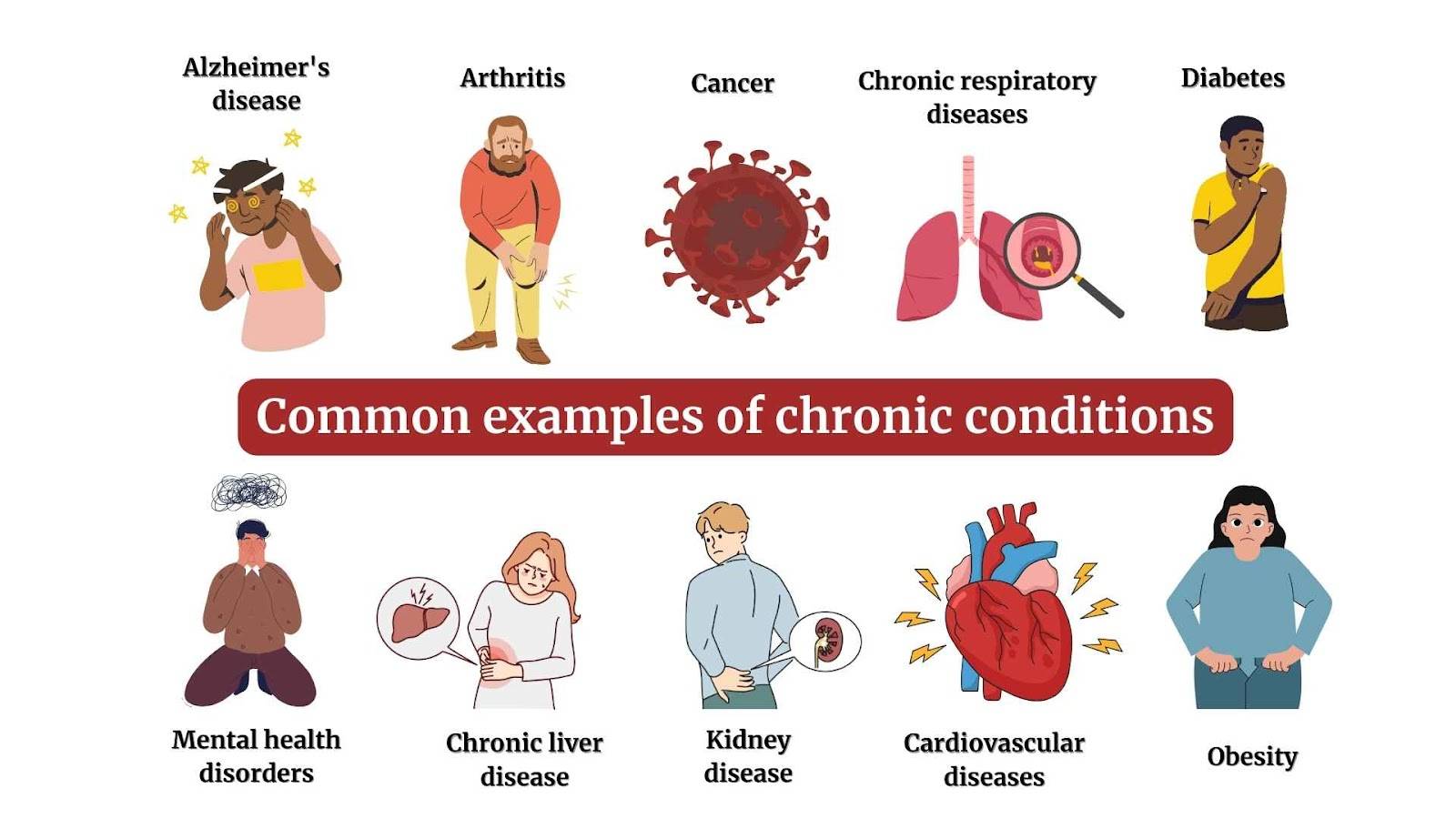
Chronic conditions, also known as Noncommunicable diseases, are getting out of hand every passing year. It involves conditions from diabetes and heart diseases to arthritis and mental disorders, which are taking over millions of people worldwide.
Because of that, WHO has already set targets for 2025 to reduce the risk as much as possible. Now that technology has advanced so much, there’s little hope of effectively treating these diseases.
- In 2024, red light therapy becomes an effective healing solution for chronic pain, showing amazing results in the healthcare system.
Key Takeaways: Healing Technology for Chronic Conditions
|
Understanding Chronic Conditions and the Need for Innovative Solutions
Chronic conditions are connected with overall health. They can affect one or more body functions and make them weak over time. They mostly last for a long period and often require ongoing medical attention.
There are many symptoms, depending on the type of disease you are dealing with. These conditions are highlighted by focusing on their persistence and how they impact a person’s quality of life.
Challenges in Managing Chronic Conditions
Coming to that part where treating chronic conditions is getting slower and ineffective. Even though traditional treatments (such as medications, therapy, or surgery) manage the symptoms, they may still not provide a complete cure.
They don’t even make any visible progression in preventing the diseases. As a result, patients continue to experience a negative impact on their physical, emotional, and social well-being.
What we have seen these conditions doing is:
- Reduced quality of life
- Increased healthcare costs
- Lost productivity
- Emotional distress
The Rise of Healing Technology
[Source: Digital Health Market Size, Share, Demand]
Lately, the health market has really taken off, thanks to technology. Healthcare is now mixing basic telehealth services with more advanced health solutions. These are the innovations that transform the healing process for chronic patients.
The shift towards digital and biomedical solutions like data analytics, artificial intelligence, and wearable technology is generating hope for curing or significantly improving the outcomes of certain chronic conditions.
Top Healing Technologies Transforming Chronic Condition Management
-
Wearable Health Devices
| Real-Time Health Monitoring | Early Detection and Prevention |
| Fitness trackers or smartwatches are declared revolutionary in personal health monitoring. These little devices track health metrics, heart rates, blood pressure, glucose levels, sleep patterns, and activity levels.
It works as insight or a sign for patients with chronic issues to manage their lifestyle and treatments. |
Wearable devices are here to warn before symptoms accelerate into an emergency crisis. They do their early detection by monitoring overall health.
For example, they can monitor glucose levels and send notifications for timely insulin dosages or control diabetes from sudden spikes or lows. |
-
Telemedicine and Virtual Care
| Access to Remote Consultations | Patient Monitoring and Personalized Treatment |
| Telemedicine is doing wonders for people who live in remote rural areas. It has minimized the issues of mobility. Remoto consultation allows anyone to seek advice from doctors from the comfort of their homes without traveling or risking themselves from exposure to infections. | Virtual care platforms monitor patients with chronic diseases every minute. They collect data on various health parameters to adjust treatment plans in real time.
For instance, virtual check-ins can be used to monitor changes in blood pressure, lung function, and other relevant metrics in patients with hypertension or COPD. |
-
Red Light Therapy and Photobiomodulation
| Mechanism of Red Light Therapy | Evidence-Based Benefits for Chronic Conditions |
| Red light therapy, or what we can call photomodulation. Its sole purpose is stimulating cellular energy production, reducing inflammation, and repairing the tissues. This all happens on specific wavelengths of red and near-infrared light to the skin. | Clinical studies present daily evidence of the effectiveness of red light therapy in managing various chronic conditions. This therapy reduces pain, improves mobility, and speeds healing in conditions like arthritis, chronic pain, and skin disorders. It is a non-invasive and drug-free approach to relieving pain and symptoms. |
Let’s see what Dr. Mohab Ibrahim had to say about Red Light Therapy:
-
AI-Powered Health Predictive Analytics
| Personalized Treatment Plans | Predictive Analytics |
| AI has the power to store vast amounts of patient data to figure out patterns and trends and come up with customized treatment plans. Namely, for cardiovascular patients, it can identify the high risk of heart attacks and strokes to make early intervention. | AI’s predictive analytics give healthcare providers so much power to address health concerns proactively. It can help point out any potential health crisis in advance, which has proven effective and lowers healthcare costs. |
-
Regenerative Medicine and Stem Cell Therapy
| Introduction to Regenerative Medicine | Clinical Successes and Future Potential |
| Regenerative medicines basically repair damaged tissues or organs. Stem cell therapy is a promising approach to regenerative medication. While the field is still growing, regenerative medicine will soon bring good outcomes for improving the lives of chronicle patients. | Stem cell therapy is another promising treatment for degenerative conditions. It works successfully in osteoarthritis and chronic spinal conditions, and research is still ongoing to make the therapy work on other chronic illnesses as well. |
How These Technologies Are Improving Patient Quality of Life?
-
Enhanced Mobility and Independence
- Real-time monitoring of warning signs through wearable devices
- Making personalized treatment plans for each patient
- Early signs of a potential health crisis
- Covering patients from rural areas through telemedicine
- Increasing autonomy to control chronic conditions
-
Psychological and Emotional Benefits
- Minimize anxiety and stress due to proactive health monitoring
- Communicating with community support groups and mental health resources
- Customize treatment plans to keep confidence high
- Easily communicating with mental health professionals through telemedicine
- AI apps for cognitive behavioral therapy and mindfulness exercises
-
Economic Benefits of Technology in Chronic Condition Management
- Lower healthcare costs through early detection and intervention
- Fewer hospital visits and lessened healthcare resource utilization
- Custom-made treatment plans to use the best of the resources
- Raise work productivity because of better health and well-being
- Shorten the time spent on healthcare appointments and travel
Challenges in Using Healing Technology for Chronic Conditions
There is really nothing shocking about it; just like anything else, healing technology has its challenges. Most of these have to do with making it accessible and affordable, as well as concerns around privacy, data security, and the risks that come with new tech.
Let’s see how many chronic patients are dealing with problems that come with the healing technology.
Future of Healing Technology for Chronic Conditions
Advances to Watch For in the Coming Years
- Genetic technologies ( Tailor-made treatments and cures for genetic diseases)
- Artificial intelligence ( more accurate forecasting of health risks and drug discovery)
- Telemedicine and virtual care (access to specialized care and remote monitoring and management of chronic conditions)
- Wearable technology (more advanced sensors and integration of AI)
- Regenerative medicines and stem cell therapy (continued advancements in tissue engineering and organ regeneration)
How Patients and Healthcare Providers Can Prepare for These Advances?
| For Patients | For Healthcare Providers |
|
|
Frequently Asked Questions
What are the most effective technologies for managing chronic conditions?
Currently, digital tools like wearable devices, telemedicine, and newly integrated AI health solutions are proving effective in managing chronic conditions. These tools provide real-time notification about the treatment and the conditions.
How can red light therapy help with chronic pain?
Red light therapy uses low-level red lasers on specific areas of the body to reduce inflammation. It generates cellular repair and smooths the pain associated with conditions like arthritis and fibromyalgia.
Are there any risks involved with stem cell therapy?
Although stem cell therapy has shown promising results, it may have risks, such as immune reactions and tumor formation. Research is still ongoing to minimize the side effects.
How secure are wearable devices in protecting patient data?
Wearable devices are pretty safe to use as they prioritize data security through encryption, secure data storage, and regular updates. However, the devices have to be bought from reputable brands.
Will insurance cover these advanced treatments?
Yes, they do. However, it depends heavily on the specific plans and regional regulations. It is better to consult with your insurance provider to understand coverage options.