

A gram is a fundamental unit of mass in the metric system, equivalent to one-thousandth of a kilogram. Though small in measurement, it plays a significant role in industries such as medicine, food production, jewelry, and scientific research. Understanding the importance of 1 gram can help in daily life and various professional fields where precision is required.
The metric system, developed in the late 18th century, made measurements simpler by standardizing weight calculations. Today, the gram remains a crucial unit used in households, businesses, and global trade.
The Importance of 1 Gram in Different Fields
Scientific Research and Chemistry
Laboratories rely on precise measurements in grams to ensure accurate results in scientific experiments. Many chemical reactions require exact amounts of substances, and even a small deviation can affect the outcome. Scientists use analytical balances to measure tiny quantities in grams and milligrams.
Pharmaceuticals and Healthcare
Medication dosages are often measured in grams or milligrams. Doctors and pharmacists calculate precise amounts to ensure patient safety. For example, many painkillers contain 500 mg (0.5 grams) of active ingredients. Errors in gram-based measurements can lead to underdosing or overdosing.
Nutrition and Food Industry
Food labels indicate the weight of ingredients in grams, allowing consumers to manage their diet effectively. Protein, carbohydrates, fats, and fiber content are all measured in grams. Cooking recipes also rely on grams for accurate ingredient proportions, ensuring consistent taste and texture.
For example:
- A single sugar cube weighs approximately 4 grams.
- A slice of cheese weighs about 20 grams.
- A serving of cooked rice (one cup) weighs about 200 grams.
Jewelry and Precious Metals
Gold, silver, platinum, and diamonds are weighed in grams and carats. Jewelers use precise scales to determine the value of precious metals and stones. A gram of gold is often priced based on market rates, making accuracy crucial in trade.
| Precious Metal | Weight of 1 Gram in Ounces |
| Gold | 0.03215 troy ounces |
| Silver | 0.03215 troy ounces |
| Platinum | 0.03215 troy ounces |
Postal and Courier Services
Shipping costs depend on weight, and items are often measured in grams. Lighter letters and packages are priced based on their gram weight, while heavier items incur additional fees. For instance, standard postage rates for letters often start at 20-30 grams.
Industrial and Manufacturing Uses
Many manufacturing processes require precise gram measurements. Whether it’s food processing, pharmaceutical production, or material mixing in construction, exact weight calculations ensure quality and efficiency.
Comparing 1 Gram to Other Weights
To understand how light 1 gram is, here are some comparisons:
| Object | Approximate Weight |
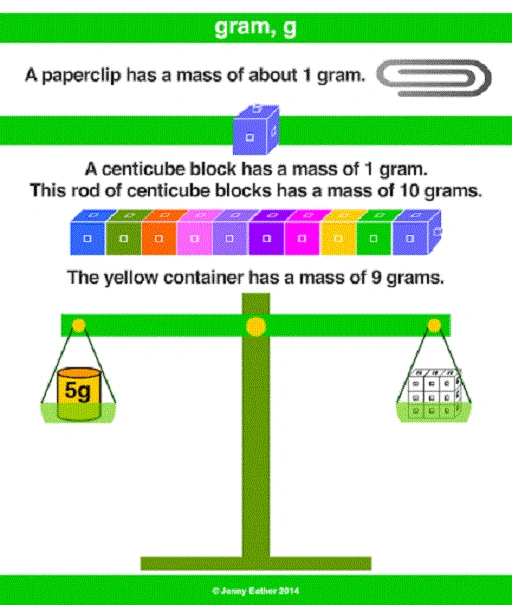
| A paperclip | 1 gram |
| A banknote | 1 gram |
| A dollar coin | 8 grams |
| A teaspoon of salt | 5 grams |
These examples highlight how small yet essential a single gram is in practical applications.
Measurement Conversions of 1 Gram

The gram is a widely used unit, and converting it into other units helps in understanding weight comparisons.
| Measurement Unit | Equivalent of 1 Gram |
| Kilograms | 0.001 kg |
| Milligrams | 1000 mg |
| Micrograms | 1,000,000 µg |
| Ounces (US) | 0.03527 oz |
| Pounds (US) | 0.0022 lbs |
| Carats | 5 carats |
This table shows that even though 1 gram is small, it is vital in weight calculations across different fields.
How to Measure 1 Gram Accurately
Accuracy is essential when measuring 1 gram, especially in scientific and commercial applications. Various instruments ensure precise measurements:
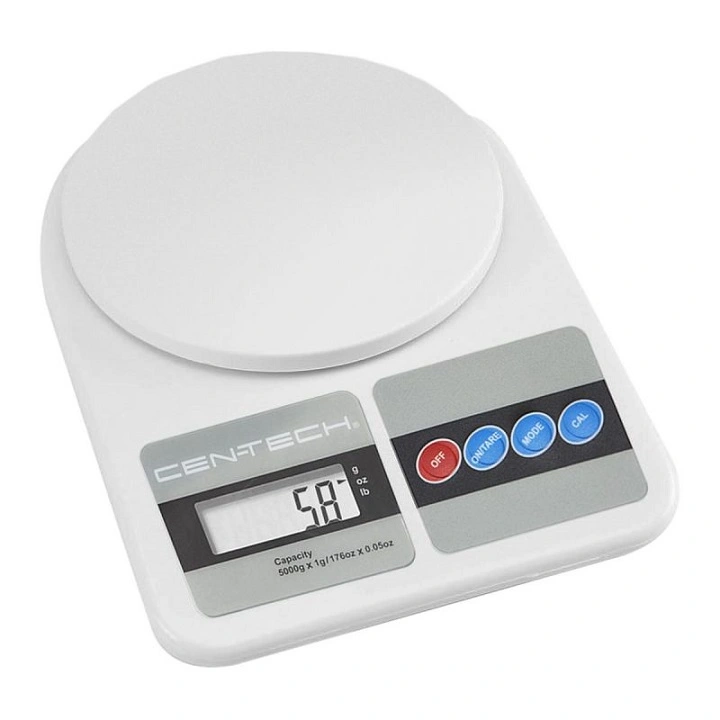
- Digital Scales – Used in kitchens, laboratories, and pharmacies for high-precision weighing.
- Analytical Balances – Found in scientific labs for measuring substances to the nearest milligram.
- Mechanical Balances – Traditional weighing scales used in schools and small businesses.
Practical Uses of 1 Gram in Daily Life
1 gram may seem insignificant, but it has many practical uses in daily activities:
- Cooking – Measuring flour, sugar, and spices in grams ensures balanced recipes.
- Dieting – Tracking calorie intake by measuring food portions in grams.
- Weighing Jewelry – Determining the value of gold and gemstones accurately.
- Shipping Packages – Calculating postage costs based on weight.
Frequently Asked Questions
How much is 1 gram in teaspoons?
It depends on the substance. For example, 1 gram of water is about 0.2 teaspoons, while 1 gram of salt is approximately 0.18 teaspoons.
How much does 1 gram of gold cost?
Gold prices fluctuate daily. The cost of 1 gram of gold depends on purity and market conditions.
Can I measure 1 gram without a scale?
While a digital scale provides the most accurate measurement, a paperclip or a small coin can help estimate 1 gram.
What are common household items that weigh 1 gram?
A paperclip, a dollar bill, or a small raisin are common objects that weigh about 1 gram.
Why is 1 gram important in medicine?
Many medications are dosed in grams or milligrams. Accurate measurements prevent harmful overdoses or ineffective underdosing.
Although 1 gram is a small unit of weight, it holds significant value in everyday life and professional fields. From food and medicine to jewelry and scientific research, precise weight measurements ensure accuracy and efficiency. Understanding the impact of 1 gram can help in better decision-making across various applications.