

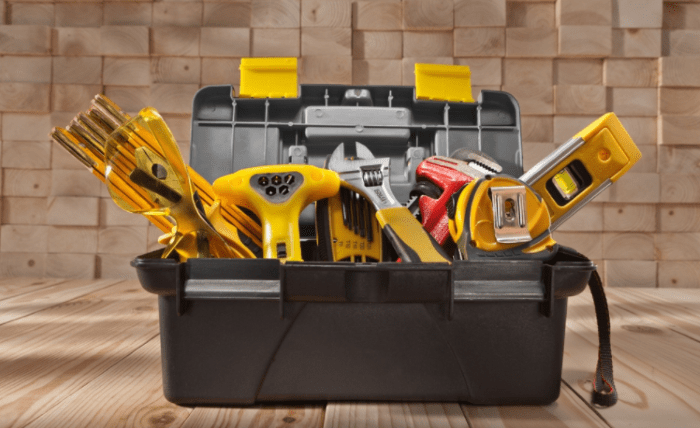
For first-time homeowners or anyone new to DIY projects, having a basic toolkit is a must. A well-rounded collection of essential tools allows you to handle routine repairs, maintenance, and even some creative upgrades. This guide provides practical advice on assembling a toolkit that balances quality, affordability, and versatility. By focusing on essentials, you’ll be ready for most home projects, no matter your experience level.
The Basics: Essential Hand Tools
Hand tools form the foundation of any good toolkit, and they’re likely to be the ones you reach for most often. A claw hammer is a great place to start. For general home use, a 16-ounce hammer is a comfortable weight that’s easy to handle yet effective for tasks like hanging artwork or assembling furniture. Screwdrivers are another must-have, and a set that includes both flathead and Phillips head types in multiple sizes will serve you well. Alternatively, a multi-bit screwdriver is a versatile option that can save you space while covering various screw types.
A 25-foot retractable tape measure is invaluable for home projects, whether you’re measuring a room for new furniture or calculating the size of a replacement window. You’ll also want a reliable utility knife on hand; it’s perfect for opening boxes, cutting through cardboard, or scoring materials for more precise cuts. For dealing with nuts and bolts, an adjustable wrench, offers flexibility for most tasks. Pliers are another essential, with needle-nose types ideal for small, delicate work and slip-joint pliers for heavier tasks. Adding a hex key (or Allen key) set is also smart, as many furniture items and appliances use hex screws. Lastly, a small level will ensure you hang pictures, mirrors, and shelves straight, and an adjustable crescent wrench is useful for tasks involving hex nuts, especially in plumbing projects.
Drilling and Fastening Tools
A cordless drill is a valuable investment, offering the power to handle numerous DIY tasks from installing shelves to hanging curtains. For most homeowners, a 12V or 18V drill with variable speed options will cover a wide range of needs. Equip it with a set of drill bits that includes options for wood, metal, and masonry, allowing you to drill through different materials as needed. Having a screwdriver bit set is also handy, as it provides options for different screw types like Phillips, flathead, square, and Torx. Stocking up on screws, nails, and wall anchors will prepare you for installing fixtures or hanging items securely, no matter the wall type.
Precision and Measuring Tools
Accuracy is key to successful DIY projects. A carpenter’s pencil is ideal for marking materials before cutting or drilling, making it easier to work precisely. A speed square is also helpful for marking straight and angled cuts or ensuring right angles, whether you’re building a simple shelf or aligning materials for a larger project. These tools make it easier to work with confidence, knowing that your measurements and markings are on point.
Cutting Tools for a Variety of Materials
Sometimes you’ll need to cut wood, plastic, or even metal to complete a project. A basic hand saw is perfect for light cutting tasks, while a hacksaw is great for tougher materials like metal and plastic. Tin snips are another useful addition if you’re dealing with thin sheets of metal or metal flashing. With these cutting tools, you’ll be prepared to handle various materials and tailor them to your project’s requirements.
Safety Gear: Protecting Yourself
Safety should always be a priority. Protective eyewear, such as safety glasses, is essential for shielding your eyes from dust, debris, and other hazards. Work gloves not only protect your hands from cuts and scrapes but also provide a better grip when handling slippery or sharp materials. For projects that create fine dust, like sanding or painting, a dust mask will help you breathe comfortably and safely. With this gear, you can focus on your work with peace of mind.
Handy Extras for Everyday Use
Some tools are easily overlooked but can make a big difference. A stud finder is particularly helpful when hanging heavy items, as it ensures you’re anchoring into a wall stud for better support. A putty knife is perfect for small wall repairs, like filling nail holes or spreading spackle. If you’re sealing or waterproofing areas like bathrooms or kitchens, a caulking gun is essential. And don’t forget a reliable flashlight or headlamp for dimly lit spaces or unexpected power outages. Rounding out your toolkit with duct tape and painter’s tape will also prove useful, with duct tape ideal for repairs and painter’s tape for protecting surfaces during projects.
Storing and Organizing Your Tools
A toolbox or tool bag is a practical investment that keeps your tools organized and ready to go. Not only does it make storage easy, but it also ensures that you can quickly find what you need when tackling a project. An organized toolkit will save you time, making each project more efficient.
With this well-rounded set of essentials, you’ll be prepared for most simple repairs and improvements. A basic toolkit is not only practical but also empowering, giving you the confidence to care for your home and tackle new DIY challenges.