

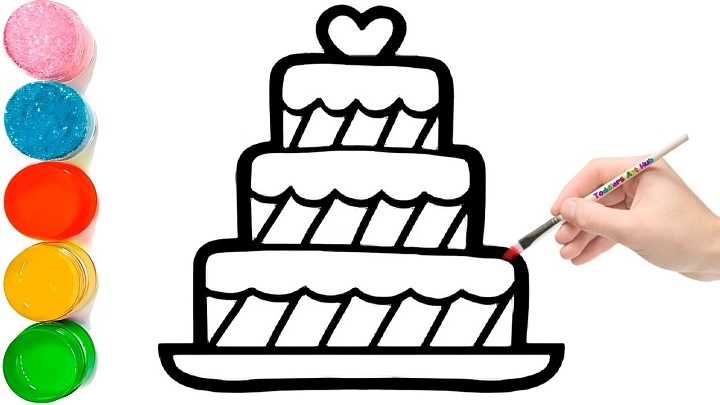
Cake drawing is the delightful intersection of baking and art, where bakers go beyond just frosting and decoration to create detailed illustrations, characters, and intricate designs directly onto the surface of a cake. Whether you’re a professional cake artist or a home baker with a creative spark, cake drawing allows you to transform a simple dessert into a stunning centerpiece. From cartoon characters and floral patterns to full-blown story scenes, the world of cake drawing is vibrant, versatile, and incredibly fun.
If you’ve ever seen a cake with hand-drawn elements that looked like a painting or comic book panel, you’ve already witnessed the magic of cake drawing. This art form has been rapidly growing in popularity, driven by social media platforms and the ever-expanding demand for personalized cakes.
What Is Cake Drawing?
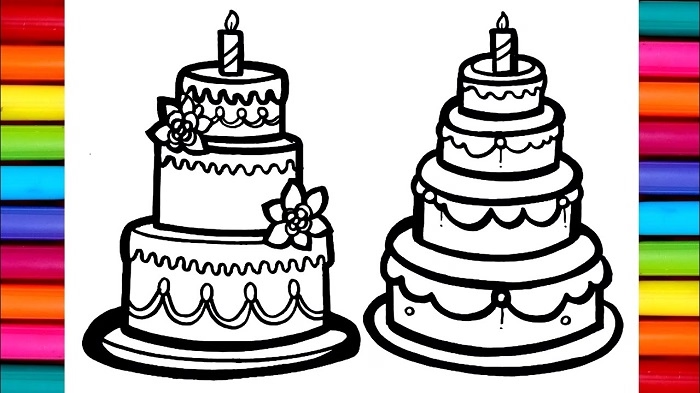
Cake drawing refers to the process of creating detailed visual artwork on cakes using edible materials. This could involve freehand illustrations, stenciled designs, piping with icing, painting with food coloring, or even using edible ink pens.
The most common surfaces for cake drawing include fondant, buttercream, and royal icing. These smooth finishes provide a perfect canvas for edible artwork. Cake drawing can be minimalist or elaborate, realistic or cartoonish, depending on the occasion and the artist’s style.
Why Cake Drawing Is Gaining Popularity
As cake decorating evolves, cake drawing has become one of the most innovative and customizable techniques. It opens up endless possibilities for bakers and cake artists to express themselves, tell stories, and meet specific client requests. Here are a few reasons for its growing popularity:
Artistic Freedom
Cake drawing allows for full creative expression. Artists can illustrate anything from floral patterns to superheroes, customized to fit birthdays, weddings, or themed events.
Personalization
Nothing says “thoughtful gift” like a cake with hand-drawn portraits, names, favorite quotes, or inside jokes. Cake drawings add that extra personal touch.
Viral Appeal
Videos and images of artists drawing on cakes have exploded on platforms like Instagram, TikTok, and Pinterest. The combination of baking and visual art captivates audiences and inspires others to try it.
Lower Cost than Sculpting
Compared to 3D sculpted cakes, drawn cakes often require fewer materials and can be quicker to produce, making them a practical choice for detailed customization.
Common Techniques Used in Cake Drawing
There are several methods to apply drawings on cakes, each suited to different styles and levels of detail.
Edible Ink Pens
These food-safe markers are ideal for outlining designs, writing messages, or adding fine detail. They work best on fondant or other smooth, dry surfaces.
Food Coloring Painting
Gel or powdered food coloring can be mixed with alcohol or lemon extract to create edible paint. Artists then use brushes to paint designs directly onto the cake’s surface.
Royal Icing Piping
For more raised or textured drawings, artists use royal icing to pipe patterns, lines, or figures. This is common in lace or filigree-style cake art.
Stencil and Airbrush
Pre-cut stencils combined with an airbrush tool allow for crisp, uniform designs. This is great for repetitive patterns or logos.
Transfer Techniques
Some bakers draw designs on parchment paper using royal icing or chocolate, freeze them, and then transfer the solidified design onto the cake.
Creative Cake Drawing Ideas
Whether you’re baking for a party or just looking to improve your cake art skills, here are some imaginative cake drawing themes and ideas to consider:
Cartoon Characters
Drawing favorite characters like SpongeBob, Peppa Pig, or Bluey is a popular choice for children’s cakes. The bold lines and colors translate well to icing and fondant.
Floral Designs
Elegant roses, peonies, and vines drawn in pastel tones are ideal for weddings, anniversaries, or garden-themed events.
Watercolor Effects
Using diluted food coloring and soft brush strokes, bakers can create watercolor-like scenes—perfect for dreamy, artistic cakes.
Chalkboard Cakes
With black fondant and white edible markers, you can replicate a chalkboard-style drawing with handwritten messages and doodles.
Portraits and Silhouettes
More advanced artists draw people’s faces or pet portraits using shading techniques with food-safe colors. Silhouettes are a simpler version, using clean outlines.
Comic Book Cakes
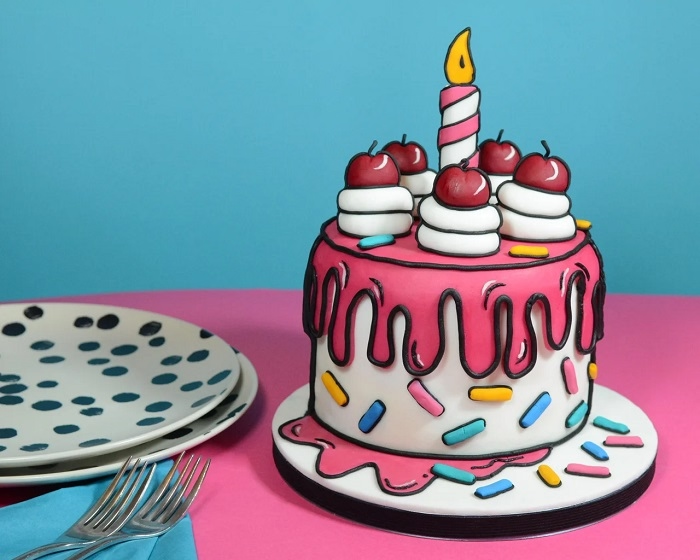
Some decorators mimic comic strip styles, complete with speech bubbles, outlined shapes, and halftone dot shading.
Interactive Cakes
Create cakes that invite people to participate—like a tic-tac-toe board, coloring book-style outlines (with edible paints), or connect-the-dots designs.
Best Surfaces for Cake Drawing
The success of cake drawing largely depends on the base surface you’re working on. Here are some commonly used ones:
Fondant
Smooth, pliable, and versatile, fondant is the best surface for drawing with edible pens or painting. It dries firm and provides a stable canvas.
Buttercream
While softer and more textured than fondant, buttercream can be smoothed and used for piping designs or light painting. It requires a steady hand and proper chilling before drawing.
Royal Icing
Great for cookies and some cake surfaces, royal icing dries hard, making it ideal for precise drawings and edible transfers.
Tools and Materials Needed for Cake Drawing
If you’re new to cake drawing, start by gathering these essential tools:
- Edible ink pens (fine tip and thick)
- Gel or powdered food colors
- Small paintbrushes (for food use only)
- Piping bags and fine tips for royal icing
- Spatula and smoother (for prepping cake surface)
- Fondant or modeling chocolate
- Cornstarch or rolling mat (for fondant work)
- Food-safe stencils (optional)
- Alcohol (vodka or lemon extract) for mixing paints
Cake Drawing for Beginners: Tips to Get Started
You don’t need to be a professional artist to try cake drawing. Here are some beginner tips to ease you into this fun, creative process:
- Practice on parchment paper first to get a feel for edible pens or painting.
- Start with simple shapes like stars, hearts, or balloons before moving to complex images.
- Use outlines and stencils for guidance when you’re still developing your freehand skills.
- Let your surface dry—if you’re using fondant, let it rest overnight before drawing.
- Don’t overload your brush with paint. Dab off excess liquid to avoid smudging.
- Keep your hands steady and rest your elbow on the table while drawing.
Where to Learn Cake Drawing Techniques
The growing popularity of cake drawing has led to a wide array of resources for aspiring decorators:
YouTube Tutorials
Creators like The Icing Artist and Rosie’s Dessert Spot often share step-by-step cake drawing videos.
Online Courses
Websites like Skillshare, Udemy, and Craftsy offer full-length courses that cover painting on cakes, pen work, and royal icing designs.
Social Media Inspiration
Follow hashtags like #CakeDrawing, #CakeArt, and #EdibleArt on Instagram or TikTok to see what artists around the world are doing.
Local Cake Decorating Classes
Community centers or culinary schools sometimes offer hands-on workshops that cover cake art techniques, including drawing.
FAQs About Cake Drawing
Can I draw directly on buttercream?
Yes, but it must be chilled and smoothed. Fondant is better for intricate designs.
Are edible markers safe for kids?
Absolutely. They’re made with food-grade dye and are safe for all ages.
Do cake drawings fade over time?
Some colors may fade if exposed to sunlight or heat. Store the cake in a cool place and avoid bright lights.
Can I use regular markers or paint on a cake?
No. Only use tools labeled food-safe or edible. Regular markers contain toxic ink.
What’s the best cake flavor for decorated cakes?
Vanilla, chocolate, or sponge cakes work well as they offer a neutral base and sturdy structure.
Cake drawing isn’t just a baking trend—it’s a growing art form that lets you personalize desserts in ways that traditional decoration can’t. Whether you’re sketching a character for a kid’s party, painting flowers for a wedding, or just doodling for fun, cake drawing opens up a world of edible creativity. With the right tools, a bit of patience, and a sprinkle of imagination, you can transform any cake into a masterpiece.