


Olives are classified as fruits, not vegetables. They grow on the Olea europaea tree and belong to the drupe family, which includes cherries, peaches, and plums. Botanically, fruits develop from the ovary of a flower and contain seeds, both of which apply to olives.
Characteristics of Olives as Fruits
- Grow from a flowering plant
- Contain a seed (pit)
- Develop from the ovary of a flower
- Classified as drupes (stone fruits)
Since olives meet these botanical requirements, they are considered fruits, even though they are often used differently in cooking.
Culinary Classification of Olives

In the kitchen, olives are treated more like vegetables due to their savory and salty flavor. Unlike most fruits, which are eaten fresh, olives require curing or brining to remove their natural bitterness.
Why Olives Are Used Like Vegetables
- Common in savory dishes like salads, pizza, and pasta
- Not typically eaten raw due to bitterness
- Undergo processing before consumption
- Used as a flavor enhancer rather than a standalone snack
Because of these characteristics, olives are often mistaken for vegetables, even though they are technically fruits.
Nutritional Benefits of Olives
Olives provide a variety of health benefits, making them a valuable addition to a balanced diet. They are rich in heart-healthy fats, antioxidants, and essential vitamins.
| Nutrient | Benefit |
| Monounsaturated fats | Support heart health |
| Polyphenols | Reduce inflammation |
| Vitamin E | Boosts skin and immune function |
| Fiber | Aids digestion |
Their combination of nutrients makes them beneficial for overall well-being, especially when consumed in moderation.
Differences Between Green and Black Olives
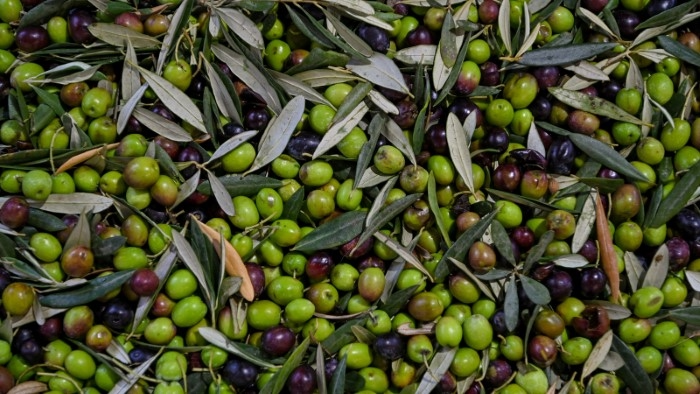
Green and black olives come from the same tree, but they differ in ripeness and taste.
Green Olives
- Picked before they fully ripen
- Firmer texture
- More bitter, requiring longer curing
Black Olives
- Left to ripen on the tree
- Softer texture
- Milder and slightly sweeter flavor
Both types undergo brining or curing, which affects their final taste and texture.
Common Uses of Olives
Olives are a versatile ingredient found in various dishes worldwide.
Culinary Uses of Olives
- Added to salads for a salty, tangy flavor
- Used as a topping on pizza and pasta dishes
- Blended into tapenade for spreads and dips
- Pressed into olive oil for cooking and dressings
Their rich umami taste enhances a wide range of recipes, making them a popular ingredient in Mediterranean and global cuisines.
FAQs
Are olives considered vegetables?
No, olives are fruits, but they are commonly used like vegetables in savory dishes.
Why are olives not eaten raw?
Raw olives are extremely bitter due to their natural compounds and require curing to be palatable.
Can olives be part of a healthy diet?
Yes, olives are rich in healthy fats, antioxidants, and fiber, making them a nutritious addition to meals.
Are green and black olives the same?
Yes, they come from the same tree, but green olives are picked unripe, while black olives are fully ripened.
Do olives contain a lot of sodium?
Yes, cured olives can be high in sodium, so they should be eaten in moderation.
Olives are fruits by botanical definition but are commonly treated as vegetables in the culinary world. Their nutritional benefits, versatility in cooking, and distinct flavor profile make them a staple ingredient in many cuisines. Whether used in salads, spreads, or olive oil, olives provide both taste and health benefits.