

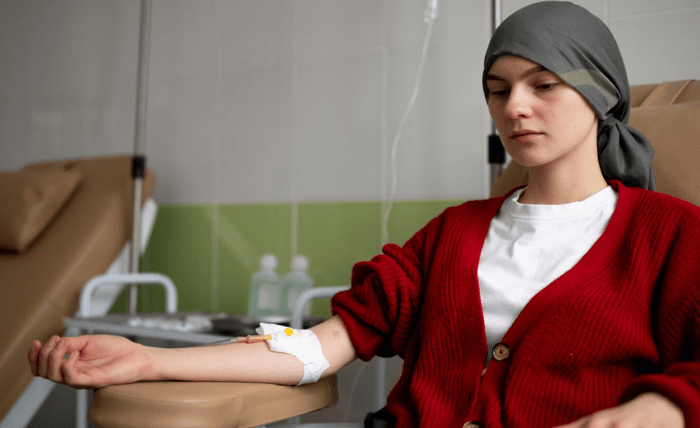
Angioplasty is a minimally invasive procedure to open blocked or narrowed arteries to restore proper blood flow. It is commonly performed to treat coronary artery disease (CAD) and reduce the risk of heart attacks. While the procedure is relatively quick, recovery is crucial in ensuring long-term heart health.
This article will explore what to expect during the recovery process after an angioplasty, including hospital stay, post-procedure care, lifestyle changes, and potential risks. Understanding these aspects can help patients and their caregivers make informed decisions and take necessary precautions for a smooth recovery.
Understanding the Angioplasty Procedure
Angioplasty, or percutaneous coronary intervention (PCI), involves inserting a catheter with a small balloon into a blocked artery. The balloon is inflated to widen the artery; in most cases, a stent is placed to keep it open. This procedure improves blood flow to the heart and reduces symptoms like chest pain (angina).
Since angioplasty is a minimally invasive procedure, recovery is generally quicker compared to open-heart surgery. However, following post-procedure guidelines is essential for long-term success.
Immediate Recovery: Hospital Stay and First 24 Hours
The first 24 hours following an angioplasty are crucial for monitoring and ensuring no immediate complications arise. Patients are carefully observed in a hospital setting during this period to assess their condition and provide any necessary treatments.
This section covers what you can expect during your initial recovery, including the care you will receive and the steps taken to ensure a safe transition from the procedure to the next stages of recovery.
1. Post-Procedure Monitoring
- Vital signs (heart rate, blood pressure, and oxygen levels) are closely observed.
- The catheter insertion site (usually the wrist or groin) is checked for bleeding or swelling.
- Medications such as blood thinners may be administered to prevent clot formation.
2. Discharge from the Hospital
Most patients can go home within 24 to 48 hours without complications. However, individuals with multiple blockages or other health concerns may require a longer stay.
Before discharge, patients receive detailed instructions on:
- Medication management
- Activity restrictions
- Signs of complications to watch for
Short-Term Recovery: The First Few Weeks
The first few weeks following an angioplasty are crucial for healing and adjusting to new health routines. During this period, patients typically experience a range of physical sensations as their body recovers from the procedure. While most individuals can return to normal activities relatively quickly, following medical advice and managing discomfort is important.
This section will guide you through what to expect in the early stages of recovery, including common side effects, medication routines, and recommended lifestyle changes to support healing.
1. Managing Discomfort and Side Effects
- Mild pain or bruising at the catheter insertion site is common.
- Some patients experience fatigue or slight dizziness.
- Chest discomfort may persist briefly but should not be severe.
2. Medications and Follow-Up Appointments
Patients must take prescribed medications, which may include:
- Blood thinners (antiplatelet drugs) – Prevent clot formation in the stent.
- Cholesterol-lowering drugs (statins) – Help reduce plaque buildup.
- Blood pressure medications – Maintain heart health and prevent future blockages.
Regular follow-up visits with a cardiologist are essential to monitor progress and adjust medications if needed.
3. Activity and Exercise Guidelines
- Avoid strenuous activities, heavy lifting, and intense exercise for at least a week.
- Light walking is encouraged to improve circulation and prevent blood clots.
- Gradually increase physical activity as per the doctor’s advice.
4. Dietary Recommendations
A heart-healthy diet supports recovery and reduces future risks. Key dietary tips include:
- Increasing fruits, vegetables, and whole grains.
- Reducing saturated fats, processed foods, and excessive salt.
- Limiting alcohol and quitting smoking.
Long-Term Recovery: Lifestyle Changes for Heart Health
The recovery process after an angioplasty doesn’t end once you leave the hospital. Adopting long-term lifestyle changes supporting cardiovascular wellness is crucial for sustained heart health. These changes play a key role in preventing further blockages and promoting overall heart function.
In this section, we’ll discuss important lifestyle adjustments, including exercise, diet, stress management, and regular health check-ups, that can help maintain heart health and reduce the risk of future cardiovascular issues.
1. Regular Physical Activity
- Most days, engage in at least 30 minutes of moderate exercise (e.g., walking, swimming).
- Cardiac rehabilitation programs can provide supervised exercise plans.
2. Heart-Healthy Diet
Following a balanced diet can prevent further arterial blockages. Recommended foods include:
- Omega-3-rich fish (salmon, sardines) for heart protection.
- Nuts and seeds for healthy fats.
- Lean proteins such as chicken, tofu, and legumes.
3. Stress Management
Chronic stress can contribute to heart disease. Effective stress-reduction techniques include:
- Meditation and deep breathing exercises.
- Engaging in hobbies or spending time with loved ones.
- Seeking professional support if needed.
4. Regular Health Check-Ups
- Routine check-ups help monitor cholesterol levels, blood pressure, and overall heart health.
- Patients should regularly consult with their cardiologist to track progress and adjust treatment plans.
Potential Risks of Angioplasty and When to Seek Medical Help
While angioplasty is generally a safe and effective procedure, it is important to be aware of the potential risks that can arise during recovery. Understanding these risks and when to seek medical attention can help prevent complications and ensure a smoother healing process.
This section will explore the common and serious risks associated with angioplasty and the signs that should prompt you to contact a healthcare provider.
1. Common Side Effects
- Bruising or swelling at the catheter site.
- Mild discomfort or fatigue.
2. Serious Complications
Seek immediate medical attention if any of the following occur:
- Severe chest pain or shortness of breath.
- Excessive bleeding or swelling at the catheter site.
- Dizziness, fainting, or irregular heartbeats.
- Timely medical intervention can prevent complications such as blood clots, restenosis (re-narrowing of the artery), or heart attacks.
Conclusion
Recovery after an angioplasty involves careful monitoring, medication adherence, and significant lifestyle changes. While the procedure effectively restores blood flow, maintaining heart health through diet, exercise, and stress management is essential for long-term success.
By following medical advice and making necessary adjustments, patients can lead healthier lives and reduce the risk of future heart problems. If you or a loved one has undergone an angioplasty, staying informed and proactive will ensure a smooth recovery and improved quality of life.