

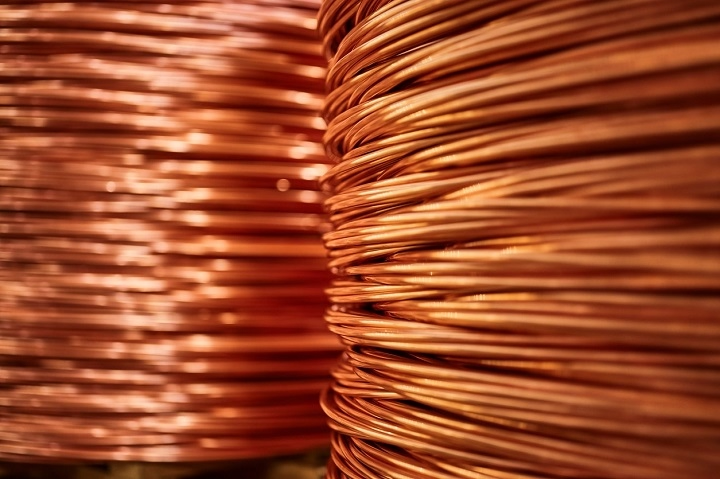
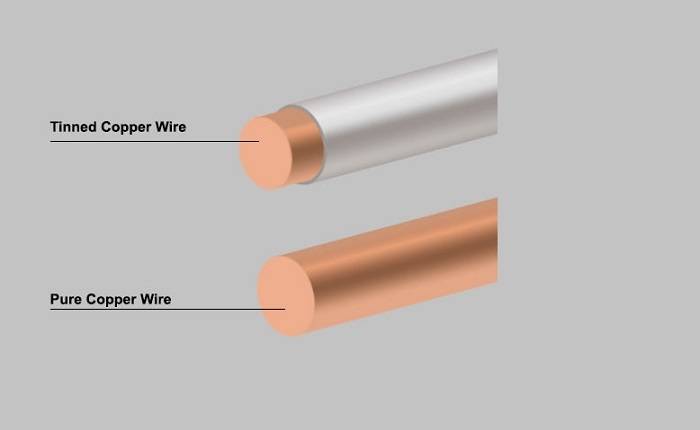
Tinned copper wire is copper wire with a tin plating. Though it is mostly composed of tin, copper remains the main component of tinned copper wire. Tin plating enhances the conductive properties of the copper wire. The additional layer also protects the copper core from external factors. Such as weather and other environmental conditions. So you may use it extensively. It is more durable than regular copper wire.
How Is Tinned Copper Wire Made?
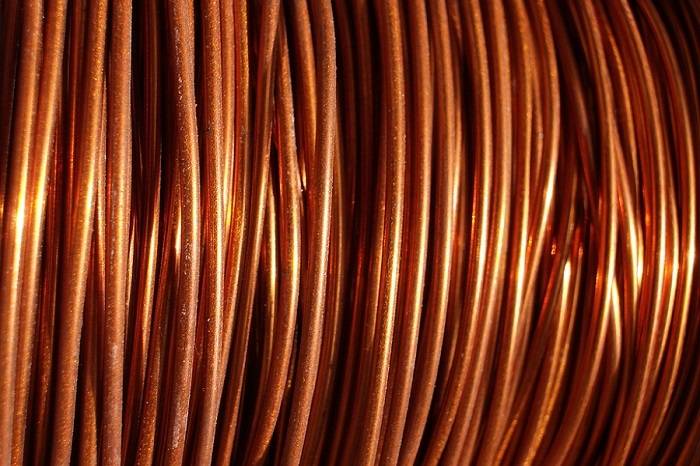
Producers make tinned copper wire by electroplating tin on copper wire. However, they do not add a thick tin layer because it would reduce the current’s flow rate. As a result, tinned copper wire has good conductivity, protection level from external factors, and solderability.
Benefits of Tinned Copper Wire
Tinning refers to the electroplating of tin on copper. Some of the benefits of using tinned copper wires include:
- Resistance to corrosion
- Enhanced oxidation resistance
- High tensile strength and durability
- Easy soldering capabilities
- Excellent saltwater resistance
- Longevity
Tinned copper wire benefits from the tin layer’s oxidation resistance and protection qualities. As a result, the wire is highly resistant to corrosion. Hence, you may use it extensively in several industries because of the numerous advantages over other wires.
Common Uses of Tinned Copper Wire
You can use tinned copper wire in almost all industries. Some of the common applications of tinned copper wire include:
- Marine electrical systems
- Electrical systems in boats and yachts
- Automotive systems
- Solar
- Industrial control systems
- Outdoor lighting
- Telecom systems
- Aircraft systems
All these applications require electricity in the harshest conditions. Therefore, most engineers and electricians prefer installing tinned copper electrical wire in these systems.
Tinned Copper vs. Bare Copper Wire
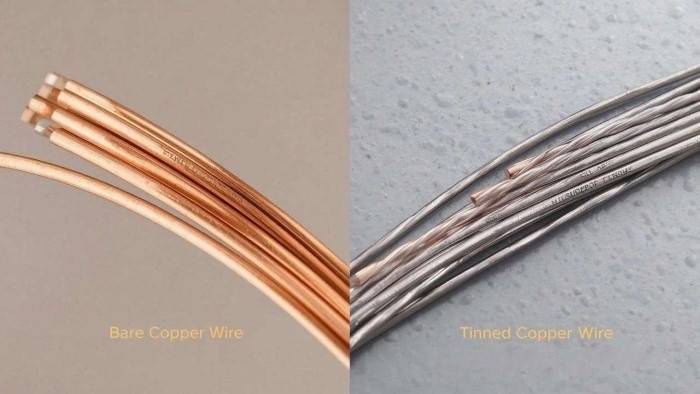
Tinned copper and bare copper wires differ from each other. They also have different levels of benefits, applications, and properties. The main differences include:
| Tinned Copper | Bare Copper |
| Corrosion resistance: High | Corrosion resistance: Moderate |
| Oxidation resistance: Enhanced | Oxidation resistance: Reduced |
| Cost: High | Cost: Low |
| Marine applications: Suitable | Marine applications: Not preferred |
| Soldering: Easy | Soldering: Good |
Compared to bare copper, tinned copper has better oxidation resistance. This is more corrosion-resistant. It is suitable for marine applications.
Does the Tin Layer Reduce Conductivity?
The tin layer present in tinned copper does not significantly reduce the conductivity of copper. Most electricians prefer using the tinned copper mainly because of its oxidation resistance, making it perfect for electrical installations and systems. For most applications, the conductivity level of tinned copper is sufficient, and the reduced level of conductivity is not a disadvantage. Most electricians and engineers prefer using tinned copper wire in most applications because of its benefits.
Is Tinned Copper Wire Worth the Extra Cost?
It mostly depends on the application and the environment where you can install them. Compared to regular copper, tinned copper can be costlier, but it has better oxidation resistance; hence, it is worth the money spent. Therefore, if you need to install the wire in an area exposed to oxidation processes, it is essential to buy it.
Some of the reasons to buy tinned copper wire include:
- Exposure to moisture
- Exposure to saltwater
- Exposure to chemicals
- Exposure to high humidity
- Installing in outdoor locations
For most home applications, regular copper electrical wire can suffice; therefore, buying tinned copper is not cost-effective. Ordinary copper has enough resistance to corrosion and is highly conductive. Hence, it is reliable for most applications at home.
How to Identify Tinned Copper Wire
Most of us can identify tinned copper wire from its appearance. Compared to regular copper wire, which has a unique reddish color, tinned copper has a silvery gray color because of the tin plating. In addition, most manufacturers also label their products with the wire’s gauge and other relevant information. Therefore, it should be easy to distinguish between regular copper wire and tinned copper.
Does Tinned Copper Require Any Special Maintenance?
Tinned copper does not require special maintenance. The most important thing when using tin-plated copper wire is to ensure that the connections are not compromised and that the accessories are suitable for tinned copper wire. With that said, normal maintenance practices are sufficient to maintain the wire and ensure it serves its purpose for a relatively long time.
FAQs
What is tinned copper wire used for?
Tinned copper wire is used in applications that require oxidization resistant materials. Some of the main applications of tinned copper wire include the electrical systems of boats, automotive systems, solar systems, and telecom systems.
Does tinned copper wire conduct electricity well?
Yes, the tinned copper wire conducts electricity well. The tin layer present in the tinned copper wire does not significantly reduce the electrical conductivity of the copper wire. However, it also provides additional oxidation resistance, thus making it more reliable.
Is tinned copper wire more expensive?
Yes, tinned copper wire is more expensive compared to ordinary copper insulated wires. The main reason is that it involves an additional process of electroplating tin on copper, thus increasing the production cost.
Tinned copper is a type of copper wire with an additional layer of tin for protection. This additional layer makes it more expensive than ordinary copper wire. It is reliable, and the extra money spent on it is worth it. As it is more durable than ordinary copper wire. It is advisable to buy it for applications that will be exposed to severe weather conditions.