

Audio has become one of the most widely used formats in modern content creation. Podcasts, interviews, livestreams, online courses, and remote meetings all rely on recorded conversations to communicate ideas. But while recording audio has never been easier, editing it remains one of the most time-consuming parts of the process.
One of the biggest challenges creators face is handling multiple speakers in a single recording. Conversations rarely follow a neat structure. People interrupt each other, speak at different volumes, or drift closer and farther from their microphones. When everything is captured on one audio track, even small edits can become tedious.
The Traditional Editing Problem
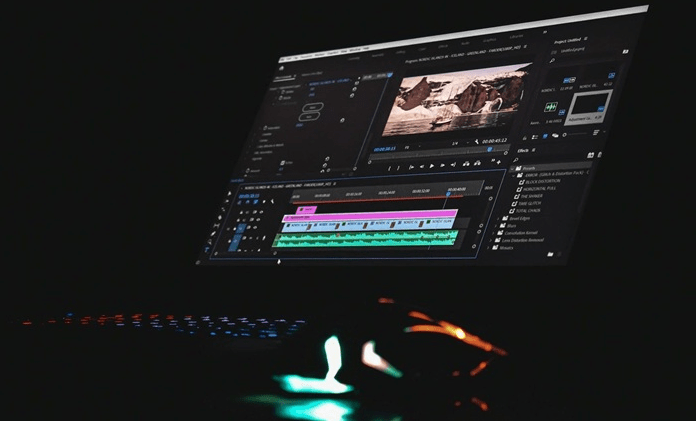
Historically, multi-speaker audio editing required professional software and a steep learning curve. Editors would manually scrub through waveforms, identify who was speaking, cut segments, and rebalance sound levels by hand. This approach works, but it demands time, patience, and technical skill.
For creators producing content regularly, this becomes a bottleneck. A one-hour interview might take several hours to clean up, especially when preparing audio for transcription, video syncing, or repurposing into written content.
As a result, many creators either delay publishing or accept lower audio quality just to keep up with schedules.
Why Speaker Separation Changes the Workflow
A growing number of creators are solving this problem by separating speakers before they begin detailed editing. When each voice exists on its own track, the entire process becomes more manageable.
Speaker separation allows editors to:
- Adjust volume levels for one person without affecting others
- Remove interruptions cleanly
- Identify sections for transcription faster
- Create cleaner clips for social media or video content
Instead of treating audio as one tangled file, it becomes a set of organized components.
This approach is especially useful for remote recordings, where participants use different microphones, environments, and internet connections. Isolating voices helps normalize quality differences early in the workflow.
The Role of AI in Audio Processing
Advances in machine learning have made speaker detection far more accessible than it was just a few years ago. Modern AI models can analyze vocal characteristics such as tone, pitch, and timing to distinguish between speakers automatically.
For creators, this means speaker separation is no longer limited to audio engineers. Browser-based tools now make it possible to upload a recording and receive individual speaker tracks without installing software or learning complex interfaces.
One example is SpeakerSplit, which creators use to automatically detect and split speakers from a single audio file. Instead of manually cutting waveforms, users can export separated tracks and move directly into editing or transcription.
The benefit is not perfect isolation in every case, but a significant reduction in manual work.
Improving Transcription and Content Repurposing
Speaker separation has a direct impact on transcription quality. When voices are clearly separated, transcripts become easier to read and more accurate. Quotes can be attributed correctly, and conversations maintain their structure when converted into text.
This is particularly valuable for journalists, educators, and marketers who repurpose audio into:
- Blog articles
- Newsletters
- Subtitles and captions
- Social media snippets
By separating speakers first, creators reduce the need for transcript cleanup later.
Efficiency Over Perfection
It is important to note that most creators are not aiming for studio-grade audio. They want consistency, clarity, and speed. AI-assisted workflows support this goal by removing repetitive tasks from the editing process.
Rather than spending hours on technical cleanup, creators can focus on storytelling, structure, and audience engagement. Over time, this efficiency makes it easier to publish consistently without sacrificing quality.
As audio continues to play a central role in digital content, tools that simplify complex steps will become increasingly important. Speaker separation is no longer a niche feature. It is becoming a standard part of modern audio workflows.