

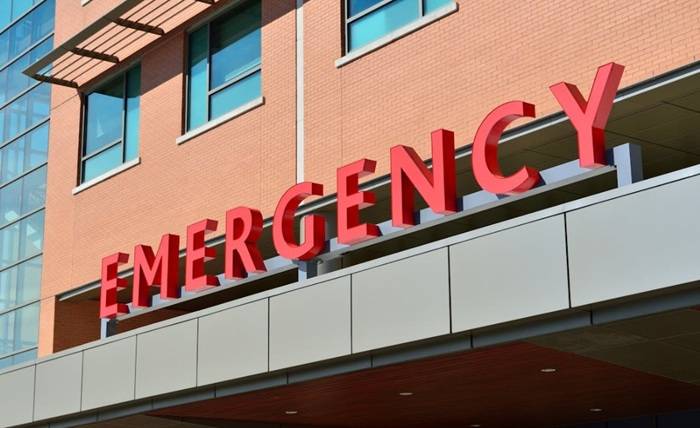
Traveling opens up incredible opportunities for adventure, relaxation, and cultural exploration, but let’s be honest, it also introduces unique health risks that many of us conveniently ignore while planning our dream vacations. Whether you’re embarking on an international expedition, taking a road trip across the country, or just enjoying a quick weekend getaway, medical emergencies can strike when you least expect them, often far from the comfort of your regular doctor’s office. Here’s the thing: being prepared for potential medical situations isn’t about being paranoid or letting fear control your adventures. It’s about empowering yourself with the right knowledge, resources, and tools to handle whatever comes your way.
Research Healthcare Facilities Before Departure
Here’s one of the smartest things you can do before you even start packing: identify healthcare facilities at your destination. Spend some time researching hospitals, clinics, and emergency care centers in the areas you’ll be visiting, and jot down their locations, contact information, and hours of operation. If you’re heading overseas, this becomes even more critical, you’ll want to know which facilities have English-speaking staff or reliable translation services, because trust me, language barriers can turn a stressful situation into an absolute nightmare. Travel insurance companies and government websites often provide directories of reputable healthcare providers in foreign countries, including facilities that meet international standards of care.
Build a Comprehensive Travel Medical Kit
Putting together a well-stocked medical kit tailored to your specific destination and planned activities is absolutely essential, yet it’s something so many travelers skip or half-heartedly throw together at the last minute. Your kit should cover the basics: adhesive bandages, sterile gauze pads, medical tape, antiseptic wipes, antibiotic ointment, and disposable gloves for handling minor injuries without risking infection. Stock up on over-the-counter medications for those common travel ailments, pain relievers, anti-diarrheal medication, antihistamines for unexpected allergic reactions, motion sickness tablets, and antacids for when local cuisine doesn’t agree with you. If you take prescription medications regularly, pack them in their original containers with labels clearly visible, and bring extra doses to cover potential delays (because flights get canceled and plans change).
Understand Your Insurance Coverage and Documentation
Medical insurance coverage can get really complicated when you’re traveling, especially if you’re leaving the country, so understanding your policy provisions before departure isn’t optional. Give your health insurance provider a call to clarify whether your coverage actually extends to your destination, what types of medical services they’ll cover, and whether you’ll need to pay upfront and deal with reimbursement paperwork later. Most domestic insurance plans provide limited coverage, or worse, no coverage at all, for international medical care, which makes supplemental travel health insurance a smart investment for overseas trips. Travel insurance policies vary dramatically in what they offer, with some covering emergency medical treatment, emergency medical evacuation, repatriation of remains, and trip interruption benefits tied to medical issues.
Prepare Medical Information and Communication Tools
Creating comprehensive medical documentation before you travel ensures that healthcare providers can treat you properly even when you’re unable to communicate your health history verbally, whether because of injury, language barriers, or both. Put together a concise medical summary that includes your blood type, known allergies (especially to medications, which can be life-threatening if administered), current medications with dosages, chronic health conditions, past surgeries, and any implanted medical devices like pacemakers or joint replacements. If you’re managing complex medical conditions, ask your primary care physician to write a brief letter explaining your health status, recent treatments, and specific care requirements that emergency providers should know about. Medical alert bracelets or necklaces are invaluable for travelers with serious allergies, diabetes, epilepsy, or other conditions requiring immediate intervention; they speak for you when you can’t. When traveling to Southwest Florida, for instance, knowing that travelers can access urgent care in Punta Gorda provides peace of mind for non-emergency medical situations that still require prompt attention. Learn key medical phrases in your destination language, or download translation apps that work offline, because Wi-Fi isn’t guaranteed in emergencies. Store emergency contact information for family members, your primary doctor, and any specialists treating ongoing conditions in multiple accessible places, not just one. Designate a trusted person back home who has copies of your medical records and insurance information and can coordinate care if you become incapacitated, someone who’ll answer their phone and knows what to do.
Take Preventive Health Measures Specific to Your Destination
Taking proactive health precautions tailored to where you’re actually going can dramatically reduce your risk of facing medical emergencies while traveling. Schedule a pre-travel consultation with a healthcare provider or travel medicine specialist at least four to six weeks before departure, this isn’t overkill, it’s smart planning that gives vaccines time to become effective. Different regions present wildly different health risks, from yellow fever and typhoid to hepatitis A and B, Japanese encephalitis, rabies, and other diseases that require vaccination or preventive medication you can’t just pick up at the corner pharmacy. Research food and water safety practices for your destination so you know which foods to avoid and whether you can safely drink the tap water or should even use it for brushing your teeth.
Conclusion
Preparing for medical emergencies while traveling requires thoughtful planning, appropriate resources, and a proactive mindset that doesn’t sacrifice adventure for safety, it enhances both. By researching healthcare facilities, assembling comprehensive medical kits, understanding insurance coverage, preparing medical documentation, and taking destination-specific preventive measures, you’re not just protecting yourself, you’re enabling yourself to travel with genuine peace of mind. These preparations won’t guarantee that nothing will go wrong; life doesn’t work that way, but they ensure you’re equipped to handle medical situations effectively when they do arise. The time and effort you invest in medical preparedness pays off with confidence, safety, and the freedom to enjoy your travel experiences rather than constantly worrying about what could happen.