

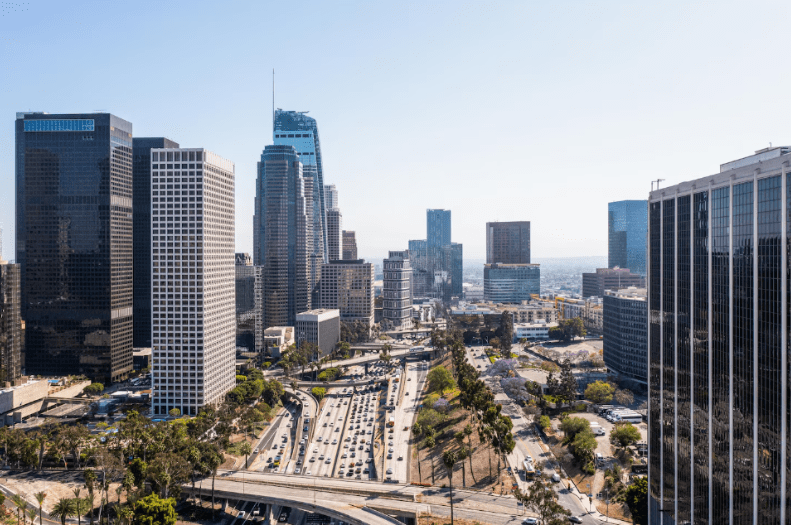
Ever wondered what your morning routine might look like in 2040?
You step outside, and instead of waiting 15 minutes for a delayed bus, a sleek electric tram glides up right on schedule. The air smells cleaner because sensors throughout the city have been quietly optimising traffic flow all night. Your phone buzzes with a notification that your building’s solar panels have already generated enough energy to power your flat for the week, with plenty left over to share with neighbours.
This isn’t some far-off fantasy anymore. We’re inching towards a smart future.
Australian Cities Are Already Getting Smarter
You might be surprised to learn that we’re already living in the early stages of this transformation.
Take Melbourne, for instance. The city uses smart sensors to monitor everything from traffic patterns to air quality. When a garbage bin fills up, it automatically sends a signal to waste management. Traffic lights adjust their timing based on real-time congestion data.
Sydney has gone even further, implementing smart street lighting that dims and brightens based on how many people are walking around. Parramatta has turned an entire street into what they call a “smart street,” complete with charging stations built into benches and irrigation systems that water plants only when they actually need it.
These changes might seem small, but they add up.
Less time stuck in traffic means more time with family. Cleaner air means fewer health problems. More efficient energy use means lower bills. It turns out that when cities get smarter, life gets a bit easier for everyone.
Smart Infrastructure
So where do we go from here?
Urban planners are essentially taking two main approaches, and both are pretty exciting.
The first path focuses on hyper-connectivity. We’re talking: every single thing in your city can talk to everything else. Your car knows about road closures before you do. Buildings automatically adjust heating and cooling based on weather forecasts. Waste bins schedule their own pickups. It’s efficiency taken to the extreme, powered by artificial intelligence that can process millions of data points every second.
The second path puts nature front and centre. These cities wrap themselves in green spaces, capture rainwater in beautiful urban wetlands, and generate clean energy from every rooftop. Buildings are designed to work with the climate, not against it. Public transport runs on renewable energy, and every neighbourhood has enough trees to actually cool the air around them.
Here’s the thing, though: the cities that will thrive probably won’t pick just one approach.
They’ll find clever ways to blend both.
Green Cities
Let’s talk about something we Australians know a lot about: dealing with harsh climates and limited water.
Future cities aren’t going to fight these challenges anymore. They’re going to embrace them.
Picture neighbourhoods where every drop of rain gets captured and filtered through natural systems before being stored for dry spells. Buildings designed with deep eaves and natural ventilation that keep them cool without cranking the air conditioning. Solar panels that are so integrated into the architecture that you barely notice them quietly powering everything from streetlights to electric vehicle charging stations.
Adelaide is already showing us what this looks like. The city aims to be carbon neutral, and they’re getting there by combining smart grid technology with serious investment in renewable energy. Perth is testing autonomous vehicles while expanding electric vehicle charging networks throughout the city.
The beauty of this approach is that it doesn’t just solve environmental problems. Green spaces make people happier and healthier. Tree-lined streets reduce stress and bring communities together. When you design cities that work with nature, you end up creating places where people actually want to spend time.
The Reality of Making It Happen
Now, let’s be honest for a moment. Building these future cities isn’t going to be simple.
Australia’s urban transformation faces some serious challenges: a lack of coordination between different levels of government, funding shortfalls, and the basic complexity of changing how millions of people live and work.
But here’s what gives me hope: we’re already seeing it work. The Australian government has committed over $50 billion to transport infrastructure alone.
Cities like Brisbane are developing comprehensive smart city programs that tackle everything from energy efficiency to community engagement. When you look at the pilot projects happening right now, you start to see how the pieces might fit together.
The numbers tell an encouraging story, too. Regional capitals across Australia are growing faster than the national average, and many are implementing smart city features from the ground up rather than trying to retrofit old infrastructure.
Building the Infrastructure
Of course, none of these innovations can happen without the electrical backbone to support them.
As our cities become more connected and energy-conscious, the demand for reliable power systems will only grow.
For businesses and projects requiring robust solutions (from renewable power generation to mobile lighting for construction sites), partnering with established suppliers like PR Power ensures access to the cutting-edge equipment needed for optimal performance in Australia’s rapidly evolving urban landscape.
The cities taking shape around us won’t just look different. They’ll change how we live, work, and connect with our neighbours.
Commutes will be shorter and cleaner. Energy bills will be lower and more predictable. Public spaces will be more inviting. Jobs will emerge in industries that barely exist today.
Will every city successfully navigate this transformation? Probably not.
Change this big is never smooth or universal. But the cities that do figure it out will become magnets for talent, investment, and innovation.
The choices being made in planning offices and council chambers today will determine whether our future cities become thriving, sustainable communities or expensive experiments that miss the mark.
If current Australian initiatives are any indication, though, we’re heading towards something pretty remarkable.