

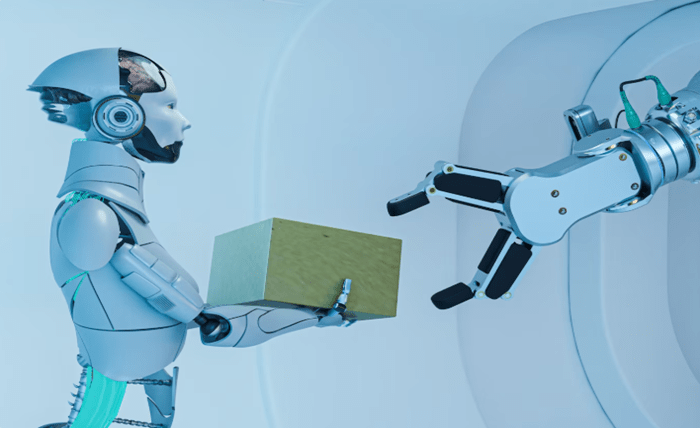
The future of warehouse operations is being shaped not just by automation but by intelligence. AI-driven warehouse management systems (WMS) are transforming how goods are stored, picked, packed, and shipped. By combining machine learning with real-time analytics, modern warehouse management providers are enabling warehouses to evolve into highly responsive, self-optimizing environments.
These systems are not only streamlining operations but are also setting a new standard for speed, accuracy, and adaptability in supply chains.
The Shift from Rule-Based to Intelligence-Driven WMS
Traditional WMS platforms worked on fixed rules. They followed set workflows and could not adjust to changes in demand, workforce availability, or supply chain delays. In contrast, AI-powered systems take a smarter approach. They learn from historical data, spot patterns, and keep improving operations over time. Today, leading warehouse management software providers are building platforms that can adapt in real time and make better decisions without human input.
Real-Time Data Processing and Adaptive Learning
AI-enabled WMS systems ingest a wide range of data sources — from ERP feeds to warehouse sensors and even external market indicators. Using predictive models, they:
- Forecast inventory demand at the SKU level
- Adjust slotting strategies based on item velocity
- Reassign labor during workflow bottlenecks
This real-time intelligence enables warehouses to preemptively solve problems that traditional systems only react to.
Algorithmic Slotting and Task Orchestration
Smart WMS solutions optimize bin allocation using AI models that consider order history, pick frequency, and path efficiency. This reduces travel time and improves fulfillment speed.
Task orchestration is also handled through dynamic allocation engines, which evaluate constraints such as:
- Available labor capacity
- Priority of orders
- Equipment availability
- Energy-efficient movement paths
Integration of Robotics and IoT with AI WMS
One of the biggest accelerators of warehouse intelligence is the integration of AI-driven WMS platforms with autonomous mobile robots (AMRs), wearable devices, and IoT sensors. Together, they create a highly interactive ecosystem.
H3: Human-Robot Collaboration in Dynamic Environments
AI coordinates how tasks are divided between human workers and robots. The WMS decides which jobs are better suited for robotic execution and which require manual intervention. The system factors in real-time floor congestion, travel paths, and order deadlines.
H4: Example in Practice
During high-volume fulfillment hours, the WMS may assign heavy pallet transport to AMRs while directing pickers to high-margin items in short-path zones. It may also recommend priority lanes for items with tight delivery windows.
Predictive Intelligence for Agile Supply Chains
Predictive analytics is one of the most powerful aspects of AI-led WMS systems. These platforms not only react but also foresee. They use regression models, time-series forecasting, and deep learning to provide actionable insights.
Demand Forecasting and Inventory Optimization
Warehouse management providers now offer AI modules that fine-tune stock levels based on:
- Sales seasonality
- Promotion cycles
- External demand signals like competitor pricing or economic trends
This ensures that warehouses neither overstock nor fall into stockouts, a balance that directly improves working capital and customer satisfaction.
Proactive Labor Planning
Labor remains one of the highest variable costs in warehouse operations. AI helps forecast required staffing levels based on predicted throughput, absenteeism patterns, and shift history. This avoids both understaffing and costly overhiring during off-peak periods.
Enhancing Customer Experience Through AI WMS
AI-driven warehouse systems are now being used as tools to enhance customer-centric logistics. As businesses aim for tighter delivery timelines and more personalized experiences, intelligent WMS platforms play a pivotal role.
H3: Order Routing and Carrier Selection
The system evaluates multiple fulfillment centers and selects the best location based on proximity to the customer, item availability, and service level agreements (SLAs). It then selects the most optimal carrier using real-time rate shopping and performance metrics.
H3: Personalization in Packing and Fulfillment
Some AI systems can learn customer preferences related to packaging and delivery times. For example, the WMS may:
- Prioritize eco-friendly packaging for specific orders
- Combine frequently bought items for bundle shipping
- Optimize cartonization for cost efficiency and unboxing experience
AI Enables Warehouse Scalability Without Disruption
All types of warehouse management systems that are led by AI systems have scalability as its core advantage. As order volumes grow, product mixes expand, or new facilities come online, the WMS adapts without requiring complete reconfiguration.
H3: Modular Scalability Through Microservices Architecture
Modern AI WMS platforms are built using microservices. This enables independent scaling of functionalities like inventory tracking, labor management, or reverse logistics. It also facilitates seamless API integrations with transportation management systems (TMS), supplier portals, or eCommerce storefronts.
Choosing the Right AI-Driven WMS Provider
As the market matures, not all warehouse management providers offer the same level of AI integration. Businesses should assess WMS vendors based on:
- Maturity of AI modules (machine learning, NLP, anomaly detection)
- Ease of integration with existing tech stack
- Scalability to support growth and peak seasonality
- Real-time visibility and analytics dashboards
- Support for multi-warehouse orchestration
Some providers now offer simulation capabilities, allowing warehouse managers to test strategies like re-slotting or zone picking in a virtual environment before live implementation.
Final Thoughts
Smart warehouses today are doing much more than just using machines to automate tasks. The focus is now on using intelligence to manage people, processes, and technology together. AI-powered systems are not only improving speed and accuracy but also changing the way logistics works by making it more responsive to customer needs.
Different types of warehouse management system will offer different capabilities, but the goal remains the same. Companies want systems that can adapt in real time, improve visibility, and help make faster decisions. Warehouses are becoming smarter parts of the supply chain that can grow and adjust as the business changes. Those who adopt this approach early will have a strong advantage in the market.