

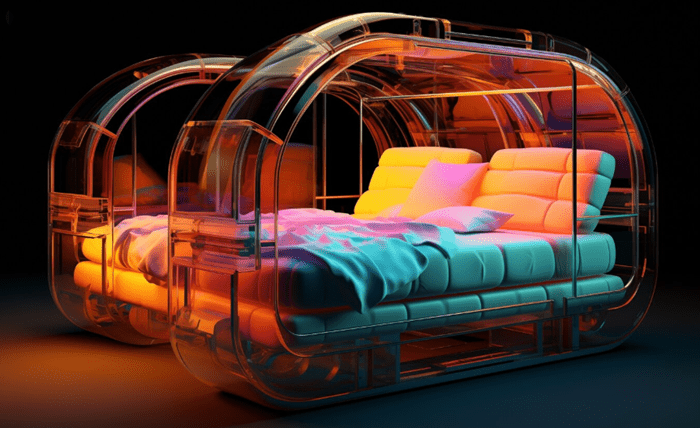
We spend nearly one-third of our lives in bed, yet many people still underestimate the power of their mattress. It’s more than a sleep surface—it’s a carefully engineered system that can make or break our quality of rest, physical recovery, and mental clarity.
Over the years, mattress technology has evolved rapidly. What was once a basic assembly of springs and foam has transformed into a blend of smart design, targeted support, and responsive materials. If you haven’t replaced your mattress in years, there’s a good chance you’re missing out on the scientific advancements that could dramatically improve how you sleep and feel.
From Hay to Hybrid: A Brief History of Mattress Design
Before we dive into modern breakthroughs, it’s worth taking a look back. The earliest mattresses were filled with natural materials like straw, feathers, or wool. Comfort was modest, and durability was limited.
Innerspring mattresses entered the scene in the 19th century, revolutionizing sleep with metal coils that provided more uniform support. Over time, manufacturers added layers of padding and quilting, gradually improving comfort and stability.
By the 1990s and early 2000s, memory foam became the buzzword. Originally developed by NASA, memory foam promised contouring comfort and motion isolation. While many embraced its adaptive feel, others found it too hot or too dense.
That’s when hybrid technology stepped in—blending the support of springs with the comfort of foam to create a more balanced experience. And that balance continues to evolve.
Zoned Support Systems: Precision Where You Need It
One of the most significant innovations in modern mattresses is the use of zoned support systems. These designs divide the mattress into targeted zones, each offering different levels of firmness and responsiveness based on your body’s pressure points.
- Softer zones cushion the shoulders and hips, allowing proper sink for side sleepers.
- Firmer zones support the lower back and torso, helping maintain spinal alignment.
By tailoring support to anatomical needs, zoned mattresses reduce the strain that can build up overnight and allow the body to relax more naturally. It’s an approach that moves beyond “soft vs. firm” and into a science-backed conversation about ergonomic rest.
Cooling Technology: Goodbye Night Sweats
Temperature regulation has become a top priority in mattress innovation. Excess heat is a common complaint among sleepers, particularly with memory foam models that retain body warmth.
To combat this, manufacturers now use a variety of cooling techniques:
- Gel-infused foams absorb and dissipate heat.
- Phase change materials (PCMs) react to body temperature to maintain equilibrium.
- Breathable covers and open-cell structures enhance airflow across the sleep surface.
These developments are especially beneficial for those who live in warm climates or tend to run hot at night. A mattress that keeps your temperature balanced helps ensure deeper, more restorative sleep cycles.
Motion Isolation and Edge Support: Sharing Space Smarter
For couples, a mattress must balance personal comfort with shared space. Two important features have emerged to address this need: motion isolation and edge support.
Motion isolation ensures that movement on one side of the bed doesn’t disrupt the other. This is particularly helpful for partners with different schedules or sleep patterns. Memory foam, latex, and pocketed coil systems perform exceptionally well in this category.
Edge support, on the other hand, prevents the perimeter of the mattress from collapsing under weight. It improves accessibility for getting in and out of bed and maximizes usable surface area—a must for anyone who shares their mattress or likes to stretch out.
Smarter Materials, Smarter Sleep
New-age materials are shaping the way we experience rest. Some of the latest additions to the mattress market include:
- Latex foam, derived from natural rubber, offers a bouncier feel and enhanced breathability.
- Responsive memory foams adapt faster to movement, eliminating the “sinking” sensation.
- Eco-conscious materials like organic cotton, bamboo, and recycled textiles are gaining popularity for those who value sustainability.
Mattress technology has also become more responsive—not just in structure but in behavior. Some premium models incorporate sensors or app integrations that track sleep patterns, provide feedback, and even adjust firmness during the night. While these high-tech options aren’t essential for everyone, they reflect how the mattress industry is merging biology and technology to optimize sleep.
Why This Evolution Matters
Better materials and design aren’t just about luxury—they have real-world effects on health and wellness. A supportive mattress can:
- Improve spinal alignment and reduce back pain
- Enhance circulation by minimizing pressure points
- Support deeper sleep cycles, leading to better mood and focus
- Alleviate symptoms of conditions like sciatica or arthritis
As sleep research advances, it becomes clearer that the right mattress can act as a passive healer—working overnight to undo the physical stress of your day.
Shopping Smarter in Today’s Market
With all these advancements, the mattress shopping experience has changed, too. There’s a growing number of specialty products, online-only models, and niche technologies competing for consumer attention. It can be overwhelming.
That’s why walking into a mattress store in Raleigh with a clear understanding of what matters—support zones, cooling capability, motion isolation, and material safety—can help you avoid marketing fluff and focus on what actually improves your rest.
Brands like Direct Outlet Mattress Raleigh understand this evolution and often prioritize showcasing models that incorporate these innovations without inflating the price. As customers become more educated, transparency and technology will continue to drive purchasing decisions.
Final Thought: The Future of Rest Is Built In
It’s easy to think of a mattress as just another home furnishing. But the truth is, it’s one of the most biologically essential items you own. And as science continues to uncover how vital sleep is for healing, cognition, and longevity, the importance of your mattress grows alongside it.
Modern mattresses aren’t just beds—they’re wellness tools. The right one adapts to you, supports your body intelligently, and plays an active role in how you perform during the day.
So next time you lay down, take a moment to consider what’s beneath you. It’s not just foam or fabric—it’s years of innovation, all working silently to give you better sleep, night after night.