

Defining Can Lights
Traditional recessed lighting, often called “can lights,” involves fixtures installed inside a ceiling. These lights use a housing, or “can,” to hold the bulb and electrical components. Think of it as a light bulb sitting inside a metal container, mostly hidden above your ceiling.
They create a clean, streamlined look. Only the trim is visible. This type of lighting has been around for a while.
Can lights are a common choice for general lighting.
Advantages of Traditional Fixtures
One big plus is versatility. Traditional recessed lighting can use different bulb types. You can pick from incandescent, halogen, or LED bulbs.
Another advantage is protection. The housing protects the wiring from damage. This can be important in older homes.
Plus, they offer a classic look that many people like.
Common Installation Challenges
Installing traditional recessed lights can be tricky. Retrofitting them into existing ceilings often requires cutting holes. This can create a mess.
Electrical connections need to be made inside the can. This requires some electrical knowledge.
Dealing with insulation is another challenge. You need to make sure the fixture is IC-rated if it will be in contact with insulation. This prevents fire hazards.
Exploring Wafer Light Technology
The Ultra-Thin Profile
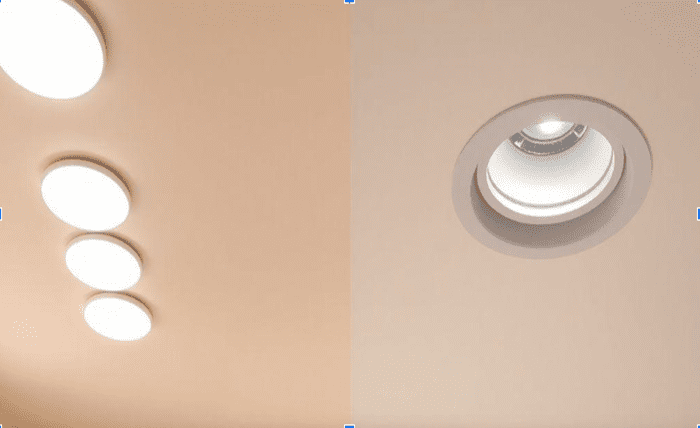
Wafer lights are known for their slim design. This makes them ideal for spaces where ceiling height is limited. They don’t require much space above the ceiling. This is a big advantage over traditional recessed lights.
They fit where other lights can’t. Think of basements or rooms with ductwork. Their low profile is a game-changer.
Simplified Installation Process
Installing wafer lights is generally easier than traditional recessed lights. They often use spring clips. This eliminates the need for bulky housings.
No need to cut large holes. Just a small opening for the light and wiring. This saves time and effort.
Wafer lights often come with integrated LED technology, further simplifying the installation process by removing the need to install separate bulbs.
Inherent Energy Efficiency
Wafer lights are typically LED-based. LEDs are very energy-efficient. This translates to lower electricity bills.
They use significantly less power than older lighting technologies. This helps reduce your carbon footprint. Plus, they last longer, reducing replacement costs.
Consider the long-term savings. Switching to wafer lights can be a smart financial move.
Installation Complexity and Requirements
Traditional Recessed Housing Needs
Traditional recessed lights, or can lights, need space. Installation often means cutting larger holes. This is for the housing.
They require a housing unit above the ceiling. This housing holds the electrical connections. It also provides insulation.
Retrofitting can be a real pain, especially in older homes. Think about existing wiring and insulation.
Wafer Light Direct Connection
Wafer lights are different. They connect directly. No bulky housing needed. (Some people also refer to them as waffle lights due to their slim, grid-like appearance and low-profile design.)
This makes installation simpler. Especially in tight spots.
Wafer lights are compact. They don’t need much space above the ceiling. This is a big plus in many homes.
Adapting to Ceiling Depth
Ceiling depth matters. Traditional cans need more room.
Wafer lights are thin. They work where space is limited.
Consider your ceiling structure. This will help you choose the right light.
Aesthetic Integration and Design Flexibility
Seamless Blending with Ceilings
Wafer lights are great for a clean look. They sit almost flush against the ceiling. This makes them blend in nicely.
They don’t distract from the rest of the room’s design. The low profile is a big plus for modern homes.
They offer a minimalist aesthetic.
Directing Light for Ambiance
Traditional recessed lights often allow for more directional control. You can adjust the bulb to highlight certain areas. This is useful for creating a specific mood.
Wafer lights typically offer a more fixed, general illumination. This can be a limitation if you want to focus light on artwork or furniture. Think about what you want to illuminate.
Consider the purpose of the room. Do you need focused light or general brightness?
Modern Versus Classic Styles
Wafer lights tend to fit better with modern designs. Their sleek, simple appearance complements contemporary spaces. They are a good choice for a modern aesthetic.
Traditional recessed lights can work in both modern and classic settings. The trim options allow for more versatility. You can find trims that match different styles.
Ultimately, the best choice depends on your personal taste and the overall design of your home. Aesthetic considerations are key.
Illumination Quality and Light Source Options
Achieving Uniform Lighting
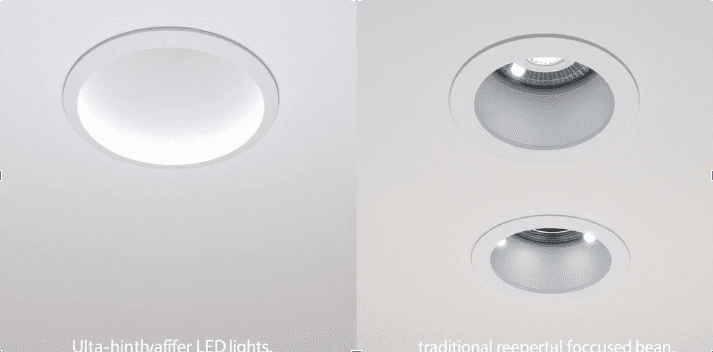
Wafer lights and traditional recessed lights both aim for even light distribution. The goal? To minimize shadows and dark spots. Good lighting makes a room feel bigger and more welcoming.
Consider the spacing between fixtures. Proper placement is key to avoid hot spots or dim areas. Think about the room’s purpose when planning your lighting layout.
Different illumination levels suit different spaces. A kitchen needs brighter light than a bedroom, for example. Layering light sources can help achieve the perfect balance.
Adjustability and Focus
Traditional recessed lights often offer more adjustability. Some models let you tilt or rotate the bulb. This allows for focused illumination on specific areas.
Wafer lights typically provide a broader, more diffused light. They’re great for general lighting but less ideal for spotlighting. Think about what you want to highlight in your space.
Consider using dimmers. Dimmers give you control over the light intensity. This adds flexibility and helps set the mood.
Bulb Type Limitations
Traditional recessed fixtures can use various bulb types. Incandescent, LED, and halogen bulbs are all options. This gives you flexibility in color temperature and brightness.
Wafer lights usually have integrated LEDs. This means you can’t change the bulb itself. However, LEDs are energy-efficient and long-lasting.
Consider the color temperature. Warmer light (2700K-3000K) creates a cozy feel. Cooler light (4000K-5000K) is better for task lighting.
Energy Consumption and Operational Costs
Long-Term Energy Savings
Switching to LED lighting, whether wafer or traditional recessed, can seriously cut down on energy bills. LEDs use way less power than older bulbs. Think about it: less energy used means less money spent over time. It’s a win-win.
Consider the lifespan too. LEDs last much longer, so you’re not constantly replacing bulbs. That adds up to even more savings. Plus, many LED options are Energy Star certified, meaning they meet strict energy efficiency guidelines.
Wafer lights often shine here. Their design can sometimes lead to better heat dissipation, further boosting efficiency. It’s all about making smart choices for your wallet and the environment.
Fixture Lifespan and Replacement
Traditional recessed fixtures can last a long time, but the bulbs inside? Not so much. You’ll be swapping those out regularly. Wafer lights, with their integrated LED design, often boast a longer overall lifespan.
Think about the hassle factor. Changing bulbs in recessed fixtures can be a pain, especially in high ceilings. Wafer lights reduce that headache. Less maintenance means more time and money saved.
Choosing fixtures with a long lifespan is a smart move. It reduces both the upfront cost of replacements and the ongoing effort of maintenance.
Initial Investment Versus Returns
Wafer lights might seem pricier upfront. But don’t let that scare you. The long-term savings on energy and bulb replacements can easily offset the initial cost. It’s all about playing the long game.
Traditional recessed lighting might have a lower initial price tag. However, factor in the cost of bulbs, energy consumption, and potential maintenance. Suddenly, that cheaper option might not be so cheap after all.
Consider your specific needs and usage patterns. If you plan to use the lights frequently, investing in energy-efficient wafer lights could be the smarter financial decision. It’s about balancing upfront costs with long-term energy consumption savings.
Durability and Maintenance Considerations
Protecting Internal Components
Traditional recessed lights, often called can lights, have housings that offer some protection. This can shield the bulb and wiring from dust and pests. Wafer lights, being more exposed, might need more attention to keep them clean and functioning well.
Think about where the lights are. Lights in kitchens or bathrooms might need more frequent cleaning because of moisture and grease. Regular checks can help spot problems early.
Proper installation is key. If either type of light isn’t installed right, it can lead to problems down the road. This includes overheating or electrical issues.
Replacing Light Sources
Replacing bulbs in traditional recessed lights is usually straightforward. You just need to match the bulb type and wattage. LED wafer lights often have integrated LEDs, which means replacing the whole fixture if the light fails.
LEDs generally last a long time. This means fewer replacements compared to older incandescent bulbs. However, when an integrated LED fails, it’s more involved than swapping a bulb.
Consider the ease of access. Some recessed lights are in hard-to-reach spots. This can make replacements tricky, no matter the light type.
Overall Fixture Longevity
Can lights, with their protective housings, can sometimes last longer. The housing shields the components from damage. Wafer lights, while durable, might be more susceptible to environmental factors.
The durability of either type depends on the quality of materials. Cheaper fixtures might not last as long as higher-end ones. Consider the warranty when you buy.
Regular maintenance is important for both types. Keeping them clean and checking for any signs of damage can extend their lifespan. This includes looking for loose connections or flickering lights.
Picking the Right Lights
So, when it comes down to picking between wafer lights and traditional recessed lights, it really depends on what you need. Traditional recessed lights are a classic choice. They give off good general light and can work in many rooms. But putting them in can be a bit of a project, especially if you’re dealing with an older house. Wafer lights, on the other hand, are super thin and pretty simple to install. They’re a great pick if your ceiling doesn’t have a lot of room or if you want something that goes in fast. Think about your ceiling height, how much work you want to do, the look you’re going for, and what you want to spend. Both types of lights can make your home look good, but one might just fit your situation better than the other.