

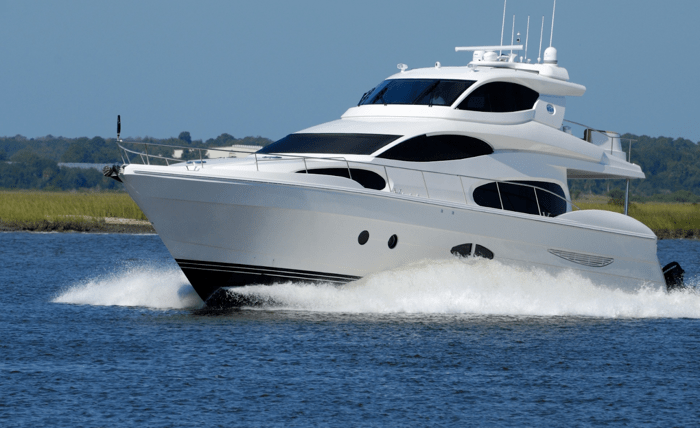
Boat Pest Control Guide: All You Need to Know About Marine Pest Control Service
Owning a boat in Florida is about enjoying the sunshine, open water, and the freedom of being out at sea. But just like a home, boats can also attract unwanted guests. These could be termites, rats, ants, roaches, or even marine-specific pests causing harm to your boat and reducing your sea time enjoyment. A marine pest control service can help with this.
Keeping your boat clean and pest-free is more than just a matter of comfort; it’s about protecting your investment and ensuring everything runs smoothly. Let’s go over everything else you need to know about boat pest control in Florida. We’ll cover the types of pests, how professional marine pest control services work, and practical DIY tips to use. It helps boat owners keep it in top shape, inside and out.
Common Marine Pest Types
Below are some of the typical pests found on boats and commercial vessels. If you see any of these, contact a marine pest control service now!
- Insects
- Marine Borers
- Cockroaches
- Bed Bugs
- Termites
- Spiders
DIY Tips to Keep Your Ships and Boats Pest-Free
Keep It Clean
Cleanliness is your first and most effective line of defense against pests. Marine pests are attracted to food scraps and trash. Always keep food preparation areas, galleys, and pantries clean. Properly dispose of food waste and store dry products in sealed containers. Spills must be cleaned immediately, and dirty dishes or utensils should never be left unattended, even for a short period of time. Regular cleaning deters pests from settling in and helps prevent infestations before they begin.
Inspect Regularly
Routine inspections are necessary for early pest detection. Many marine pests hide in dark, undisturbed places like beneath bunks, inside lockers, behind panels, and within engine compartments. Look for droppings, chew marks, nesting materials, and evidence of moisture or mold. Using a flashlight, inspect hidden crevices and look behind or beneath stored equipment. Early detection allows for prompt treatment, lowering the risk of a widespread infestation.
Seal Entry Points
Pests often gain access through small openings or gaps in a vessel’s structure. Regularly inspect your boat for cracks, holes, and loose fittings around doors, hatches, vents, and pipes. Seal them with marine-grade caulk or weatherproof materials. Install door sweeps and mesh screens over vents and windows. This keeps insects out while also improving energy efficiency and structural integrity.
Eliminate Standing Water
Stagnant water serves as a breeding ground for mosquitoes and other insects. Check the sewage and storage compartments on a regular basis for water accumulation. Ensure that your boat’s draining systems are working properly and are not clogged. If possible, use moisture-absorbing products or install a dehumidifier to keep the area dry and pest-free.
Check Before Boarding
Pests often sneak onto vessels via cargo, luggage, or personal gear. Always inspect items, particularly those from tropical or high-risk pest areas, before bringing them aboard. Look for insects, eggs, or moisture in boxes, bags, and containers. This is especially important for commercial vessels and yachts that receive deliveries or host guests from multiple ports.
Maintain Hulls and Wooden Structures
Wood-eating marine pests such as shipworms and gribbles can cause significant structural damage to ships, particularly their wooden hulls and submerged components. Inspect wood on a regular basis for signs of wear, holes, and soft spots. To protect open surfaces, use boat-specific antifouling paint and sealants. Regular hull cleaning and dry-docking are essential for avoiding undetected marine pest infestations.
Ventilate to Prevent Mold and Mildew
Damp, poorly ventilated areas are breeding grounds for mold, mildew, and silverfish. Use dehumidifiers in sleeping and storage areas, especially in tropical or humid climates. Keep hatches and vents open whenever possible so that air can circulate throughout the vessel. Avoid storing damp clothing, sails, or towels below deck because moisture promotes fungal growth and attracts pests.
How Does Professional Marine Pest Control Work?
Professional marine pest control companies use a structured and highly regulated approach to inspect, treat, and prevent future infestations on boats, yachts, and commercial vessels. Here’s a detailed breakdown of how professional marine pest control services typically operate:
Initial Consultation & Inspection
A pest control expert will come and look all around the vessel. They’ll look for spaces, like:
- Sleep areas
- Galley or kitchen
- Engine rooms
- Storage space
- Wooden parts of the boat
- mooring lines or ropes
Identification and Risk Assessment
Following the inspection, they will determine the types of pests on board, such as rats, cockroaches, termites, bed bugs, and marine borers, as well as the severity of the problem. This helps them decide how to treat it safely and effectively.
Making a Treatment Plan
Next, they create a plan to get rid of the pests. The plan depends on the type of pest, unique challenges, and the size of the infestation. The treatment process might contain:
- Setting rat and mouse traps
- Spraying chemicals, or baits for insects
- Protective coatings for wooden parts
- Fumigation (a specific gas used in sealed areas)
- Sealing holes or cracks to prevent entry points
They will ensure that any treatment is appropriate for the crew, the environment, and the boat.
Execution of Treatment
The team then carries out the professional pest control treatment. This can range from targeted applications in specific compartments to full-vessel fumigation (which may need temporary evacuation and docking at a specialized port). For marine pests, anti-fouling coatings or underwater treatments might be applied during dry-docking.
Prevention and Long-Term Protection
Finally, the service typically includes preventive recommendations or contracts for ongoing monitoring and pest control. This could include regular monitoring, scheduled treatments, and crew training on sanitation and pest prevention best practices.
Conclusion
Pest protection is critical for maintaining your boat’s value, safety, and functionality, especially in infestation-prone climates. Understanding these risks and combining professional services with proactive maintenance is essential. You can enjoy your time on the water by cleaning it on a regular basis, performing thorough inspections, and hiring professional boat pest control services. Investing in pest control now will save you time, money, and costly repairs later. Don’t let insects harm your boat; hire the best boat pest control in Florida and get ready for your next adventure!