

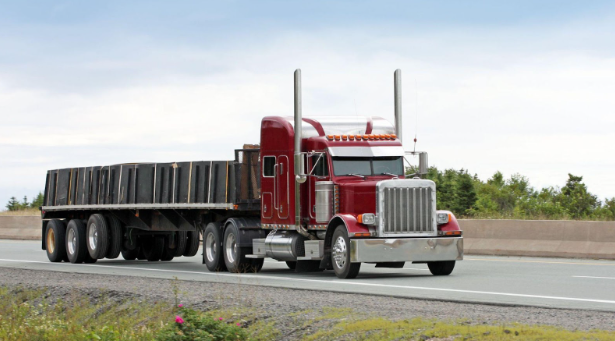
Flatbed trucking has always played a pivotal role in hauling oversized or irregular loads—machinery, steel, lumber—you just name it.
But here’s the catch: while it gets the job done, flatbed trucking comes with a unique set of safety challenges. And every accident doesn’t just cost time and money—it sends your insurance renewal premiums into orbit.
If you own a fleet or manage logistics, knowing exactly how Flatbed Trucking Safety directly influences your insurance outlay is not just useful; it is vital.
Let’s explore why this sector needs laser-focused attention on safety and how taking the right steps can help bring those premiums back down to earth.
Why Flatbed Trucking Involves Safety Challenges?

Where enclosed trailers protect cargo, flatbeds offer a roofless ride, subjecting freight to exposure, weather, wind resistance, and the risks of failed securement. Drivers frequently carry large, dense, or even dangerous loads. Moving loads, like 20,000 lbs of steel, create a high risk of accidents.
And it’s not only about what is being carried. Drivers routinely climb aboard trailers to lash downloads, which raises the risk of falls, back injuries, and other physical dangers.
What makes this even more critical? The risks aren’t just occupational—they’re financial. Because when these challenges aren’t addressed properly, the impact ripples straight into your bottom line through insurance.
How do Accidents Impact Insurance Premiums?

Every incident—be it a minor scrape or a major highway wreck—gets logged, reported, and analyzed by insurers. They’re not just looking at the cost of repairs; they’re evaluating your overall risk profile. The more claims you rack up, the more you’re flagged as high-risk.
This means your Commercial trucking insurance costs will rise. And it doesn’t stop at costs. Too many claims could prevent you from renewing with premier insurers or confine you to high-risk markets with unfavorable terms. For a flatbed carrier, that’s like trying to race while carrying a parachute on your back.
Top Safety Practices to Prevent Flatbed Trucking Accidents
Avoiding accidents isn’t just about caution – it’s about having repeatable systems in place that ensure safety becomes part of your company’s muscle memory. Here’s how to do it right:
Load Securement Best Practices
Flatbed loads must be secured with precision. Use chains, straps, and tarps rated for specific weights. Always double-check tie-down points and use edge protectors to prevent wear. For extra security:
- Apply a minimum of one tie-down every 10 feet of cargo
- Cross-chain loads, when possible for lateral stability
- Train staff on DOT 49 CFR 393 standards
- Whenever possible, use tarps to cover the cargo.
Driver Training and Qualification
Flatbed trucking isn’t for the inexperienced. New drivers should be thoroughly vetted and onboarded with specific flatbed safety training. Go beyond CDL basics—offer real-world simulations and regular refreshers.
Mentorship programs, ride-alongs, and real-time feedback mechanisms help maintain high standards on the road.
Vehicle Maintenance and Pre-Trip Inspections
Pre-trip inspections are non-negotiable. Check brake systems, tires, lighting, and securement gear before every haul.
Maintain digital records for inspections and repairs—insurers prefer documentation, and it helps prove you’re minimizing mechanical failure risks.
Leveraging Technology for Safety
If you’re not using telematics, dashcams, or ELDs yet, you’re sacrificing visibility and money.
Telematics systems can track:
- Harsh braking
- Speeding
- Sharp cornering
- Idle time
Personal Protective Equipment (PPE) Enforcement
Your team’s safety doesn’t end at the cargo. Mandate high-visibility vests, steel-toe boots, gloves, and hard hats, especially during loading/unloading or when working near traffic.
Make PPE enforcement a zero-excuse policy. Routine spot checks and incentives for compliance can go a long way.
Emergency Preparedness
Every driver should know what to do if a load shift or an accident occurs. This includes:
- Keeping emergency numbers handy
- Fire extinguisher training
- Basic first-aid knowledge
- Protocols for securing the scene
Run regular drills. Even simple refreshers can save lives and make insurance adjusters view you as a proactive fleet.
How to Ensure Safety in Your Trucking Business?
If you want real change, safety can’t be just another policy—it has to become second nature across your organization.
Safety Policies and SOPs
Don’t just hand drivers a dusty handbook. Create living documents: short, updated SOPs for specific scenarios like coil hauling, wide loads, and bad-weather driving.
Display visual checklists in your yard, offices, and cab areas. Better yet, go digital and make them available via mobile apps.
Encouraging Driver Accountability
Empower drivers to own their roles. Incorporate safety metrics into performance reviews. Offer bonuses for clean inspection records or safe miles driven.
More importantly, build a culture where drivers feel safe reporting issues without fear of penalty. It’s not about blame, it’s about better communication, safety, and positive outcomes.
Reporting and Analyzing Near Misses
If a strap snapped but the load didn’t fall—log it, investigate it, and learn from it.
Encourage anonymous submissions if necessary. Review these in team meetings and adjust protocols accordingly.
How Do Safety Improvements Lower Insurance Renewal Costs?
Now, let’s get to the money talk. Every proactive measure you take in Flatbed Trucking Safety is not only about safeguarding drivers, but it’s also a success in its own right that can lead to significant reductions in your insurance renewal costs.
Demonstrates Reduced Risk to Insurers
When insurers see evidence of proactive safety programs, fewer claims, and robust training, they adjust risk exposure accordingly. You move from high-risk to smart-risk, and that translates to better terms.
Improved CSA Score
FMCSA’s Compliance, Safety, Accountability (CSA) score is one of the biggest factors insurers consider. Every clean inspection and safe trip helps.
Scores above 65 in any BASIC category raise red flags—stay under that threshold to avoid rate hikes or coverage denials.
Documented Safety Practices Build Credibility
Your logs, policies, and inspection reports aren’t just internal—they’re your evidence portfolio at renewal time. Organized documentation helps brokers advocate for you with underwriters.
Potential Eligibility for Insurance Discounts
Yes, discounts are real. Many insurers offer rate reductions if you:
- Use dash cams or telematics
- Hold safety meetings
- Offer certified training programs
- Maintain strong CSA scores
Talk to your trucking agency for insurance- they might help you tap into incentives you didn’t even know existed.
Final Thoughts
Flatbed trucking has its unique challenges, but those don’t have to define your bottom line.
Not only does your business reduce accidents by being proactive with load procedures, investing in driver training, and creating an authentic culture of accountability, but it also sets itself up for insurance renewals with a stronger standing.
And if you’re looking for a reliable partner to walk you through risk mitigation, policy optimization, and tailored fleet coverage, Preventty – USA Specialty Insurance– Trucking Insurance agency can offer the insight and customized support your business needs to stay protected and competitive on the road.