

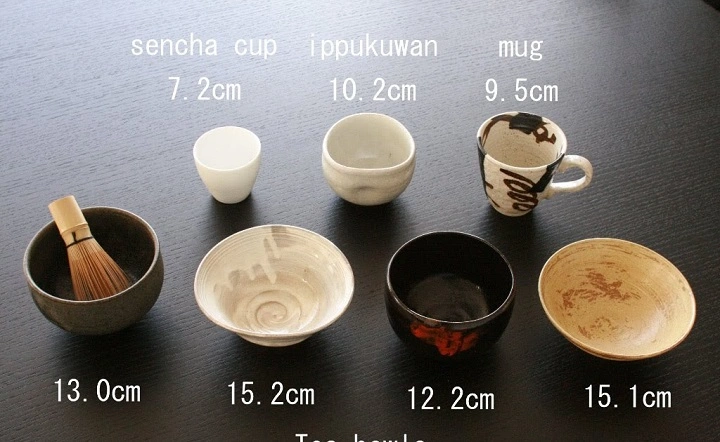
When it comes to cooking, measuring ingredients accurately is essential. Whether you are preparing a large meal for your family or baking a cake, understanding the right measurements is crucial for achieving the perfect outcome. One common question that often arises is, “How many cups are in a bowl?” The answer can vary depending on the size of the bowl, but this article will help break down the different measurements and give you a clear understanding of how to measure ingredients effectively using bowls.
What Does “How Many Cups in a Bowl” Mean?
In cooking and baking, the term “cup” is a standard unit of measurement used to quantify ingredients. While many recipes may ask for ingredients in cups, sometimes the recipe simply refers to a “bowl” of something without specifying the exact amount. The challenge is to estimate how many cups a bowl holds. Typically, the size of a bowl can range from small bowls that might hold about 1 cup of liquid, to large mixing bowls capable of holding 4 or more cups of ingredients.
The Average Size of a Bowl
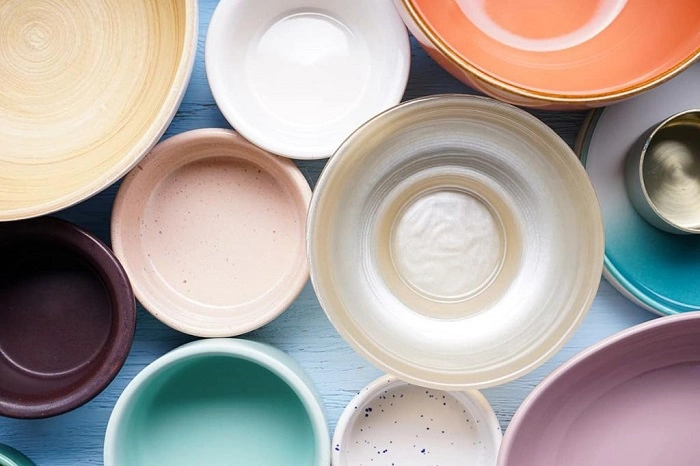
Most kitchen bowls are designed for specific tasks and come in various sizes. To help with measuring, let’s take a look at the typical capacity of bowls and how they relate to cups:
Small Bowls
- Capacity: 1 to 2 cups
- Use: These are commonly used for serving small portions, side dishes, or mixing smaller quantities of ingredients like spices or herbs.
Medium Bowls
- Capacity: 3 to 4 cups
- Use: Medium-sized bowls are often used for mixing medium quantities of ingredients, such as dough, salad, or for serving dishes like pasta.
Large Bowls
- Capacity: 5 cups and above
- Use: Large bowls are ideal for bigger mixing tasks, such as preparing large batches of salad, dough, or mixing large quantities of ingredients in a single container.
Measuring Cups and Bowls: Why Does Size Matter?
When following a recipe, using the correct size bowl is important because the volume of the bowl affects the overall amount of ingredients you will be able to mix. If a recipe calls for “1 cup of flour,” and you use a bowl that holds only 1 cup of liquid, you may not have enough space to properly mix other ingredients.
Here are some key points to consider:
- Smaller Bowls: If you’re using smaller bowls, be prepared to work in multiple stages, especially when dealing with larger quantities of ingredients.
- Larger Bowls: On the other hand, using too large of a bowl may cause your ingredients to spread out too much, making it difficult to mix properly.
How to Convert Bowl Measurements to Cups
While there is no one-size-fits-all answer to “how many cups in a bowl,” it’s possible to estimate based on the size and shape of your bowl. Here’s a general guide to help:
Step 1: Measure the Bowl’s Capacity
To convert the measurement of a bowl into cups, you can use a liquid measuring cup. Fill the bowl with water (or any liquid) and pour it into a measuring cup. This will give you an accurate idea of how many cups your bowl holds.
Step 2: Account for Ingredient Type
When measuring dry ingredients, the weight and volume can vary depending on the type of ingredient. For example:
- Flour: A cup of flour weighs less than a cup of sugar.
- Liquids: Liquids, like water, are easier to measure accurately because they take up the same amount of space regardless of the type.
Step 3: Use a Bowl Size Chart
Here’s a quick chart to give you an idea of what various bowl sizes typically hold:
| Bowl Size | Cups (Approx.) |
| Small Bowl | 1 to 2 cups |
| Medium Bowl | 3 to 4 cups |
| Large Bowl | 5 to 6 cups |
| Extra-Large Bowl | 7 cups and above |
This chart can serve as a guideline for when you are looking for specific measurements for different types of cooking or baking.
Different Types of Bowls and Their Uses

Not all bowls are created equal. Some bowls are specially designed for specific purposes. Here’s a breakdown of the most common types of bowls used in the kitchen:
Mixing Bowls
- Purpose: For mixing ingredients such as batter or dough.
- Capacity: Ranges from 3 cups to 6 cups or more.
- Tip: When measuring, be sure to use a bowl that’s large enough to comfortably fit your ingredients without spilling over.
Salad Bowls
- Purpose: For tossing salads and serving large portions.
- Capacity: 4 to 8 cups or more.
- Tip: Ideal for serving dishes for multiple people.
Soup Bowls
- Purpose: Used to serve soups, stews, and broths.
- Capacity: Generally holds 1 to 2 cups of liquid.
- Tip: They are often smaller, making them perfect for individual servings.
Serving Bowls
- Purpose: Used for serving meals such as pasta, fruits, or desserts.
- Capacity: Can range from 3 cups to 10 cups.
- Tip: Choose the right bowl based on the number of servings you need.
Tips for Measuring with Bowls
Here are a few extra tips that can make measuring with bowls easier:
Use a Liquid Measuring Cup for Accuracy: If your recipe requires precise amounts of ingredients, always use a liquid measuring cup to check the volume of your bowl.
Consider the Ingredient Density: Be aware that the density of ingredients like flour, sugar, or rice can affect the total number of cups in a bowl. For example, flour can compact easily, so it’s best to spoon it into a measuring cup for more accuracy.
Level Off Dry Ingredients: When measuring dry ingredients, it’s important to level off the excess to ensure you are using the correct amount.
Estimate When Necessary: If a recipe doesn’t require exact measurements, estimating the number of cups in your bowl should suffice. Just ensure it’s large enough for the task at hand.
FAQs About How Many Cups Are in a Bowl
How do I measure 1 cup using a bowl?
To measure 1 cup, use a small bowl and fill it with liquid or dry ingredients. You can then check the amount by pouring the contents into a measuring cup for accuracy.
Can a medium bowl hold 4 cups?
Yes, a medium bowl typically holds between 3 to 4 cups, making it suitable for mixing moderate amounts of ingredients.
What is the best bowl for baking?
For baking, you will need a large mixing bowl, typically holding 4 cups or more. This allows ample room for mixing flour, sugar, and other dry ingredients.
How do I know if my bowl is big enough for a recipe?
Check the recipe’s ingredient quantity and use a measuring cup to estimate how much space your bowl will need. A larger bowl is better to avoid spills.
Can I use a bowl for liquid measurements?
Yes, but make sure to measure liquids in a liquid measuring cup for accuracy, as a bowl may not give you a precise reading.