

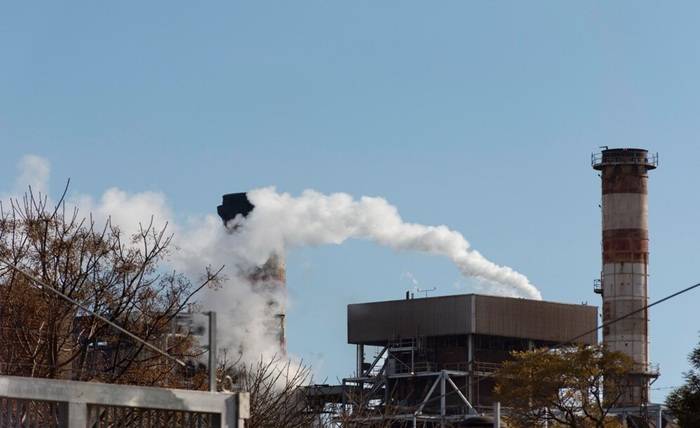
The global reliance on coal as a primary energy source has led to the development of a robust coal industry. However, amid its contribution to the energy grid, the coal sector faces numerous challenges, one of which is the pervasive issue of coal dust. This fine particulate matter, produced during mining, transportation, and processing of coal, compounds environmental and industrial difficulties. Industry stakeholders are thus compelled to grapple with mitigating these impacts while maintaining productivity and adhering to regulatory standards.
The Genesis of Coal Dust and Its Industrial Implications
Coal mining and handling precipitate the release of coal dust, an unavoidable by-product. When coal is extracted from the earth, processed, and conveyed, fine particles are emitted into the air. This dust poses significant challenges to the coal industry, not just from the operational perspective but also in worker health, equipment wear, and energy efficiency.
Within the industry, coal dust can deteriorate machinery, leading to increased maintenance costs and downtime. The particulate matter that settles onto equipment can accelerate wear and tear, compromising the lifespan and performance of mining apparatus. Moreover, the pervasive presence of coal dust necessitates comprehensive ventilation systems within mines—systems that are not only costly to install but also to maintain.
Health Hazards Associated with Coal Dust
The health implications of coal dust are profound. Workers exposed to high levels of coal dust can suffer from a variety of respiratory issues such as pneumoconiosis, colloquially known as “black lung” disease, a condition that is debilitating and potentially fatal. The risk of chronic bronchitis and emphysema also increases with prolonged exposure. Thus, mitigating coal dust in the workplace is not just an industrial obligation but a moral one.
Controlling dust levels in mining operations is crucial, yet complex. Techniques such as water spraying, air filtration, and wearing of personal protective equipment are standard practices to protect workers. Nevertheless, these measures need constant refinement to keep up with changing work environments and advancing technology.
Environmental Repercussions of Coal Dust
Beyond the boundaries of the mine, coal dust represents an environmental concern. The dispersion of coal particles can affect local ecosystems, contaminating water sources and soil. Such contamination can disrupt the biodiversity of surrounding habitats, unsettling the balance of local flora and fauna.
Airborne coal dust also poses a significant threat to air quality. When inhaled by humans and animals, it can lead to health issues akin to those experienced by mine workers. Residential areas near coal facilities often bear the brunt of dust-related air pollution, leading to community health implications and necessitating the implementation of robust monitoring and dust management strategies.
Regulatory Hurdles and Public Perception
The coal industry’s relationship with coal dust is further complicated by stringent regulatory frameworks. Governments worldwide have set tight standards on dust emissions, compelling coal companies to invest in dust management and reduction techniques. Failing to comply with these regulations can result in penalties, legal action, and tarnished reputations.
Furthermore, the increasing public awareness of environmental issues has turned the spotlight on the coal industry’s role in dust pollution. Communities are more vigilant and less tolerant of practices perceived to be environmentally unsound, pressuring the industry to demonstrate greater environmental stewardship. This scrutiny impacts corporate social responsibility policies and the industry’s license to operate.
Technological Innovations in Dust Management
Anticipating the long-term sustainability of the coal industry, there is a significant push for technological innovation in dust management. From real-time air quality monitoring systems to advanced material handling techniques designed to minimise dust generation, the industry pursues innovative solutions. These developments not only seek to reduce the environmental footprint of coal operations but also to improve operational efficiency and reduce cost burdens associated with dust control.
For many companies, the investment in state-of-the-art dust suppression technologies has become a non-negotiable aspect of modern mining operations. Yet, the capital required for such installations poses financial challenges, especially for smaller players in the market who are struggling to remain competitive and compliant.
Conclusion: The Path Forward Amidst Dust-Laden Winds
Navigating the haze of coal dust-related issues requires a multi-faceted approach. Effective dust control practices are vital for the preservation of worker health and safeguarding the environment. The coal industry must continue to innovate and invest in technologies that reduce the production and dispersion of coal dust, while simultaneously seeking to reform traditional operations that are major dust contributors.
Maintaining a balance between industrial productivity and environmental responsibility is a challenging but essential task for the coal sector. Collaboration between regulatory bodies, industry leaders, and environmental organisations can pave the way for more effective strategies that will safeguard the planet and its people from the adverse effects of coal dust.
In conclusion, the impact of coal dust on the coal industry and the environment is an issue that cannot be ignored. With strategic planning, scientific innovation, and a commitment to sustainability, it is possible for the industry to mitigate this challenge and evolve towards a future where coal can be harnessed in harmony with environmental stewardship.