

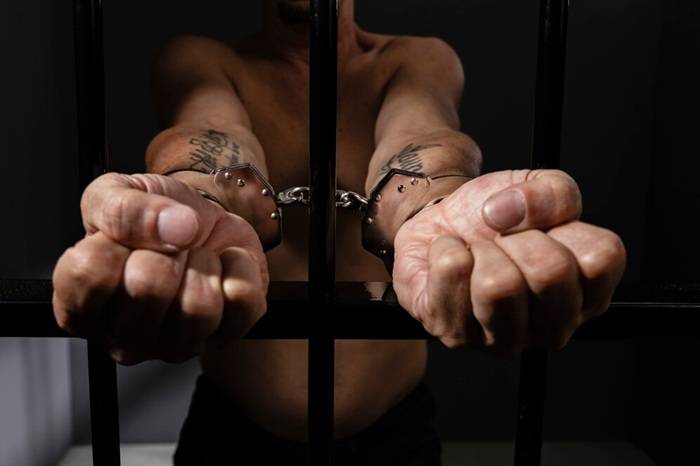
Federal sex crimes are among the most serious offenses in the legal system. Unlike state-level cases, these crimes involve federal laws and jurisdiction, leading to stricter penalties. Federal authorities prosecute sex crimes when they occur on federal property, involve crossing state lines, or include online offenses. Understanding federal sex crimes and how these cases are handled can shed light on the investigation, prosecution, and sentencing process.
Distinguishing State and Federal Jurisdiction
Sex crimes are typically prosecuted at the state level, but certain offenses fall under federal jurisdiction. Federal authorities intervene when the crime involves multiple states, happens on federal land, or includes the use of federal communication systems.
Scope of Federal Sex Crimes
Federal sex crimes cover a broad range of offenses, including:
- Interstate transportation of minors for sexual purposes (e.g., transporting a minor across state lines for exploitation).
- Sexual abuse on federal lands (e.g., crimes occurring in national parks, military bases, or Native American reservations).
- Production and distribution of child pornography, including online exploitation.
The Importance of Federal Prosecution
Federal prosecution ensures severe crimes are properly addressed, especially when state lines are crossed or resources are limited. Key laws that govern federal sex crimes include:
- The Mann Act, which criminalizes the transportation of individuals for illegal sexual activities.
- The Adam Walsh Child Protection and Safety Act, which strengthens penalties for child exploitation crimes.
- Other laws covering child pornography, online solicitation, and sex trafficking.
Investigation and Arrest
Federal Law Enforcement Agencies
Several federal agencies handle sex crime investigations:
- FBI (Federal Bureau of Investigation): Investigates interstate and online sex crimes.
- ICE (Immigration and Customs Enforcement): Handles cases involving international travel or exploitation.
- USCIS (United States Citizenship and Immigration Services): Investigates immigration fraud tied to sex crimes.
- US Postal Inspection Service: Tracks crimes involving mail-based exploitation.
Investigative Techniques
Federal agencies use various methods to gather evidence, including:
- Surveillance and undercover operations.
- Digital forensics to trace online activity.
- Interviews with victims, witnesses, and suspects.
- Search warrants and subpoenas for digital records.
Arrest Procedures
Once evidence is gathered, federal authorities execute an arrest with a federal warrant. Upon arrest, suspects receive Miranda warnings, informing them of their rights. They then make an initial court appearance, where bail hearings determine their release conditions.
Federal Prosecution Process
U.S. Attorneys’ Offices
Federal prosecutors, also known as U.S. Attorneys, lead the prosecution process. They work with law enforcement to build a case and present evidence to a grand jury, which decides whether to issue an indictment.
Charging Decisions
Before filing charges, prosecutors consider:
- Strength of the evidence.
- Severity of the offense.
- Impact on victims and public safety. Charges may include interstate sex trafficking, child exploitation, or online solicitation.
Pre-Trial Proceedings
Pre-trial steps include:
- Discovery: Both sides exchange evidence.
- Motions: Defense may challenge evidence or request case dismissal.
- Plea negotiations: Some defendants accept reduced charges in exchange for guilty pleas.
Trial Procedures
- A jury is selected.
- Prosecutors present evidence, including witness testimony and digital records.
- The defense challenges evidence and offers counterarguments.
Sentencing and Penalties
Federal Sentencing Guidelines
Sentences depend on the crime’s severity, the defendant’s criminal history, and mandatory minimums. Certain offenses carry strict mandatory sentences, such as child pornography production.
Types of Penalties
Convicted offenders face:
- Prison time in federal facilities.
- Fines and restitution to victims.
- Supervised release with restrictions.
Victim Impact Statements
During sentencing, victims can present statements detailing how the crime affected their lives. Judges may consider these statements when determining penalties.
Specific Federal Sex Crimes and Related Laws
The Mann Act (White-Slave Traffic Act)
Originally aimed at combating human trafficking, the Mann Act now applies to cases involving transporting individuals for illegal sexual purposes.
Protection of Children
Federal laws impose severe penalties for crimes against children, including:
- Child pornography (creation, distribution, possession).
- Online enticement of minors for sexual activity.
- Sexual exploitation, covered under the Adam Walsh Act.
Crimes on Federal Property
Sexual assaults occurring in national parks, military bases, and other federal lands fall under federal jurisdiction.
Human Trafficking
Sex trafficking cases involve forcing or coercing individuals into sexual servitude. Federal laws target both traffickers and those who exploit victims.
Cyber Crimes
With the rise of digital communication, federal law enforcement actively investigates:
- Online solicitation of minors.
- Distribution of child sexual abuse material.
- Dark web trafficking of illegal content.
Challenges and Considerations
Victim Advocacy and Support
Federal cases often involve young or vulnerable victims. Providing legal, emotional, and medical support is crucial to ensure their safety and well-being.
Cross-Jurisdictional Issues
Many federal sex crimes involve multiple states or countries. Coordination between federal, state, and international agencies is vital for prosecution.
Technological Advancements
As technology evolves, offenders find new ways to commit crimes. Federal agencies constantly update investigative techniques to keep up with encrypted communication, anonymous browsing, and AI-generated content.
Wrapping Up
Federal sex crimes are prosecuted through a rigorous legal process that involves multiple agencies, thorough investigations, and strict sentencing guidelines. These cases highlight the need for robust laws and effective enforcement to protect victims and hold offenders accountable. Reach out to the professional team of attorneys at Dawson Law Office to handle your case and fight for your rights!