

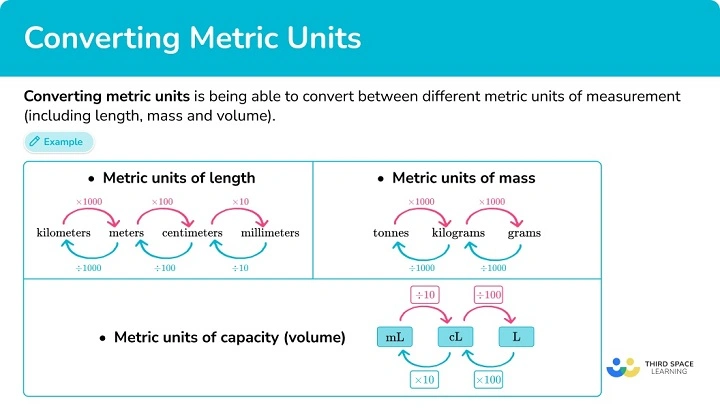
A gram is a fundamental unit of mass in the metric system, equal to one-thousandth of a kilogram. It is widely used in science, medicine, food, and industry for precise weight measurements. Despite being a small unit, 1 gram plays a critical role in various aspects of daily life and professional fields where accuracy is essential.
Understanding how 1 gram is used, its conversions, and its applications can provide insight into its importance in weight measurement and precision-based industries.
The Evolution of the Gram Measurement
The metric system was introduced in the late 18th century, with the gram serving as one of its base units. Before standardization, different countries used various weight measurements, leading to confusion in trade and science. The gram helped create a universal method of weight measurement, allowing for consistency in scientific research, commerce, and everyday life.
1 Gram in Different Measurement Systems
A gram can be converted into other measurement units, making it useful in international trade and various industries. Below is a table showing how 1 gram compares to other units:
| Measurement Unit | Equivalent of 1 Gram |
| Kilograms | 0.001 kg |
| Milligrams | 1000 mg |
| Micrograms | 1,000,000 µg |
| Ounces (US) | 0.03527 oz |
| Pounds (US) | 0.0022 lbs |
| Carats | 5 carats |
This table shows how 1 gram is a flexible unit used across different systems of weight measurement.
Importance of 1 Gram in Various Fields
Science and Laboratories
In scientific research, weight accuracy is crucial. Laboratories use digital balances to measure chemicals in grams and milligrams for experiments. A small miscalculation in gram-based measurements can alter research results significantly.
Medicine and Pharmaceuticals
Pharmaceutical companies manufacture medicines based on precise gram calculations. Many drugs are dosed in milligrams or grams to ensure patient safety. For instance, an average painkiller tablet contains about 500 mg (0.5 grams) of active ingredients.
Food and Nutrition
Food packaging includes nutritional values in grams, allowing consumers to track their dietary intake. Cooking measurements also depend on grams to maintain recipe consistency.
For example:
- A teaspoon of sugar weighs about 4 grams.
- A slice of bread weighs around 25 grams.
- A cup of rice weighs approximately 200 grams.
Jewelry and Precious Metals
The jewelry industry relies on grams to determine the value of gold, silver, and gemstones. Jewelers use precise scales to measure these materials, as even a slight variation in weight can significantly impact price calculations.
| Precious Metal | Weight Equivalent |
| 1 gram of gold | 0.03215 troy ounces |
| 1 gram of silver | 0.03215 troy ounces |
| 1 gram of diamond | 5 carats |
Postal and Shipping Industry
Shipping companies calculate postage rates based on package weight, measured in grams. A letter typically weighs around 20 grams, while heavier items incur higher postage fees.
Manufacturing and Industrial Use
Industries use grams to measure raw materials for production. The automotive, textile, and electronics industries rely on gram-based weight calculations to maintain quality standards and efficiency in production.
How Small is 1 Gram?
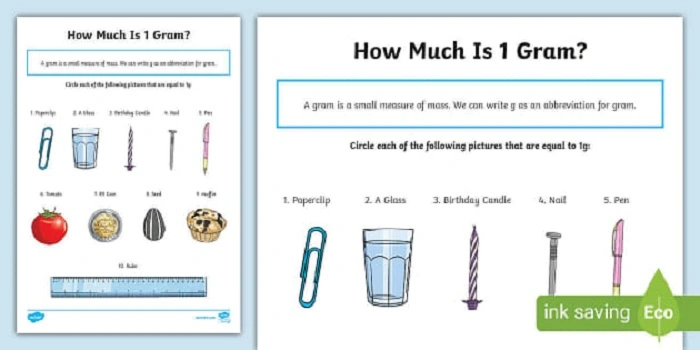
To understand the lightness of 1 gram, here are some common objects that weigh approximately 1 gram:
- A paperclip
- A small coin
- A raisin
- A standard banknote
Comparison of 1 Gram with Other Weights
| Object | Approximate Weight |
| A grain of rice | 0.025 grams |
| A sugar cube | 4 grams |
| A tennis ball | 58 grams |
| A standard AA battery | 24 grams |
These examples show how 1 gram compares to commonly used objects in everyday life.
Importance of Accurate 1 Gram Measurements
Accurate weight measurement is critical in various fields, such as medicine, manufacturing, and food production. Even a slight miscalculation in grams can lead to serious consequences, including incorrect drug dosages, faulty industrial production, or incorrect financial transactions in the gold and jewelry industry.
Instruments Used to Measure 1 Gram
Several weighing instruments are used to measure 1 gram with high precision:
- Digital Scales – Commonly used in households, kitchens, and pharmacies.
- Analytical Balances – Used in scientific research for extremely precise measurements.
- Mechanical Weighing Scales – Used in businesses and general commercial activities.
The Role of 1 Gram in Environmental Conservation
Weight measurement plays a role in environmental sustainability. The packaging industry aims to reduce waste by minimizing material weight in grams. Recycling centers measure waste in grams to track and manage environmental impact efficiently.
Frequently Asked Questions
How many teaspoons are in 1 gram?
The conversion depends on the substance. For example, 1 gram of sugar is approximately 0.24 teaspoons, while 1 gram of salt is about 0.18 teaspoons.
How much does 1 gram of gold cost?
Gold prices fluctuate daily based on international market rates. The cost of 1 gram of gold depends on purity and demand.
Can I measure 1 gram without a scale?
It is difficult to measure 1 gram without a precise scale, but using known objects such as a paperclip or a dollar bill can help estimate the weight.
Why is 1 gram important in medicine?
Accurate drug dosages depend on precise gram measurements to ensure effectiveness and avoid harmful side effects.
What are common household items that weigh 1 gram?
A small button, a push pin, or a single raisin are everyday objects that weigh around 1 gram.
Although 1 gram is a small unit, its role in various industries is essential. From scientific research to daily life applications, accurate gram measurements are crucial in food, medicine, jewelry, and trade. Whether it’s determining postage rates, managing dietary intake, or weighing precious metals, 1 gram serves as a fundamental unit of measurement across different fields.