

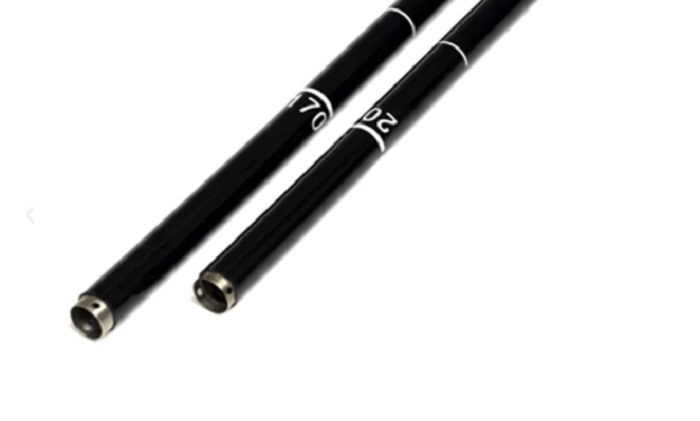
Endoscopes have revolutionized modern medicine, enabling physicians to diagnose and treat patients with minimal invasiveness. By providing a clear view inside the human body, endoscope anatomy and functionality play a crucial role in various medical procedures. In this article, we’ll explore the anatomy and functionality of endoscopes, how they work, and their significance in medical diagnostics and treatment.
What is an endoscope?
An endoscope is a medical instrument used to observe the inside of a body cavity or organ. It consists of a long, flexible tube equipped with a light source and a camera. The camera sends images to an external monitor, allowing the physician to view real-time footage of the internal area. Endoscopes are commonly used for diagnostic purposes, such as detecting abnormalities or diseases, and for surgical treatments.
Anatomy of an Endoscope
The design of an endoscope is carefully crafted to provide maximum functionality while being minimally invasive. Let’s break down the key components that make up the anatomy and functionality of endoscopes:
1. Flexible Tube
The flexible tube forms the main body of the endoscope. It is designed to navigate through tight spaces, making it suitable for examining various organs, such as the stomach, intestines, lungs, and joints. The tube is generally made of flexible, durable materials that allow for easy maneuverability during procedures.
2. Light Source
The light source is crucial for illuminating the internal area being examined. Since endoscopes are typically inserted into dark body cavities, a powerful light source ensures the physician can clearly see what’s inside. Modern endoscopes use LED lights or fiber-optic lighting, which provide bright, focused illumination without generating excessive heat.
3. Camera/Optical System
At the tip of the endoscope, there is a small camera that captures high-definition images or video. This camera transmits real-time footage to an external monitor, allowing the medical team to observe and assess the condition of the area being examined. Some endoscopes even feature zooming capabilities, enabling detailed views of small structures inside the body.
4. Insertion Tube
The insertion tube is the part of the endoscope that is inserted into the body. It is flexible yet sturdy enough to be manipulated during the procedure. The length and thickness of the insertion tube vary depending on the type of endoscope and the specific procedure being performed.
5. Handle and Controls
The handle is where the physician holds the endoscope, and it is equipped with controls to maneuver the instrument. Some handles come with additional features, such as buttons for adjusting the light intensity or taking still images during the procedure. The controls also allow the physician to navigate the endoscope’s insertion tube with precision.
6. Biopsy Channel
Many endoscopes come with a biopsy channel, a small passage that allows the physician to pass instruments through the endoscope for tissue sampling or other interventions. This feature enables biopsies, making endoscopes versatile tools in diagnostics and treatment.
Functionality of Endoscopes
The functionality of endoscopes can be understood by examining the various ways they are used in medical procedures. These instruments are crucial for both diagnostic and therapeutic purposes. Below are some key functions:
1. Diagnostic Purposes
Endoscopes are primarily used for diagnosing conditions inside the body. They help doctors view organs, tissues, and blood vessels that are not easily accessible through other means. For example, endoscopes are often used in gastroscopy (examining the stomach) and colonoscopy (examining the colon) to detect signs of infection, cancer, or other abnormalities.
2. Surgical Procedures
Endoscopes are also used in minimally invasive surgeries. For example, in laparoscopic surgery, an endoscope is used to examine the abdominal cavity, while small instruments are used for surgery. This minimizes the need for large incisions, reducing recovery times and complications.
3. Therapeutic Interventions
In addition to diagnosis and surgery, endoscopes can be used for therapeutic purposes. For instance, they can be used to remove foreign objects, treat bleeding, or place stents to open up blocked passages. The biopsy channel allows for tissue samples to be taken for further analysis, facilitating accurate diagnosis.
4. Real-Time Monitoring
Endoscopes offer real-time monitoring during procedures. The video feed from the camera helps physicians make decisions on the spot, improving the overall accuracy and speed of interventions. This capability is especially valuable in emergency situations where timely decisions can save lives.
Types of Endoscopes
There are various types of endoscopes tailored for different medical fields. The most common include:
1. Flexible Endoscope
Flexible endoscopes are the most commonly used type in medical practice. They are ideal for accessing tight or hard-to-reach areas, such as the gastrointestinal tract, respiratory system, and urinary system. The flexibility of these endoscopes allows them to bend and navigate through the body with ease.
2. Rigid Endoscope
Rigid endoscopes, as the name suggests, have a rigid structure and are typically used for surgeries or procedures that require precision. They are commonly used in orthopedic procedures or for examining joints. Their design provides better stability and image quality, especially for more controlled environments.
3. Capsule Endoscope
A capsule endoscope is a small, swallowable device that is used primarily for examining the digestive tract. The patient swallows the capsule, which then transmits images as it travels through the body. This type of endoscope is less invasive and useful for detecting issues in the small intestine.
4. Laparoscope
Laparoscopes are specialized endoscopes used for minimally invasive surgery in the abdominal area. They allow surgeons to view and perform procedures without making large incisions. Laparoscopic procedures are commonly used for gallbladder removal, hernia repair, and other abdominal surgeries.
Endoscope Applications in Various Fields
The versatility of endoscopes has made them invaluable across various medical fields. Their application is widespread, offering a minimally invasive solution to a range of medical concerns. Here are some examples of endoscope applications:
- Gastroenterology: Endoscopes are frequently used in gastroscopies and colonoscopies to diagnose and treat gastrointestinal issues such as ulcers, cancers, and inflammatory diseases.
- Pulmonology: In respiratory medicine, endoscopes help examine the lungs and airways and even perform bronchoscopies for diagnosing lung diseases.
- Orthopedics: Orthopedic surgeons use rigid endoscopes for joint and bone examinations, often in minimally invasive arthroscopic surgeries.
- Urology: Endoscopes are also used in urology to diagnose and treat issues in the urinary tract, including bladder problems and kidney stones.
Conclusion
Endoscopes have transformed the medical field, offering a non-invasive and efficient way to diagnose, monitor, and treat a wide variety of conditions. The anatomy and functionality of endoscopes work in harmony to provide clear, real-time views of internal areas, making them invaluable tools for both diagnosis and surgery. By utilizing flexible tubes, advanced camera systems, and light sources, endoscopes ensure physicians can perform procedures with precision and minimal discomfort to the patient. As technology continues to advance, the role of endoscopes in healthcare will undoubtedly expand, further improving patient outcomes and healthcare efficiency. In modern medical facilities, creating a calm and soothing environment is just as important for patient recovery. Features like water ripple effect stainless steel ceilings not only add a visually appealing design element but can also contribute to a sense of tranquility, enhancing the overall patient experience during medical procedures.
Incorporating endoscopes into various specialties has proven to enhance patient care while minimizing risks. As the medical field embraces more advanced versions of these tools, endoscopes will continue to be a cornerstone of modern healthcare.