

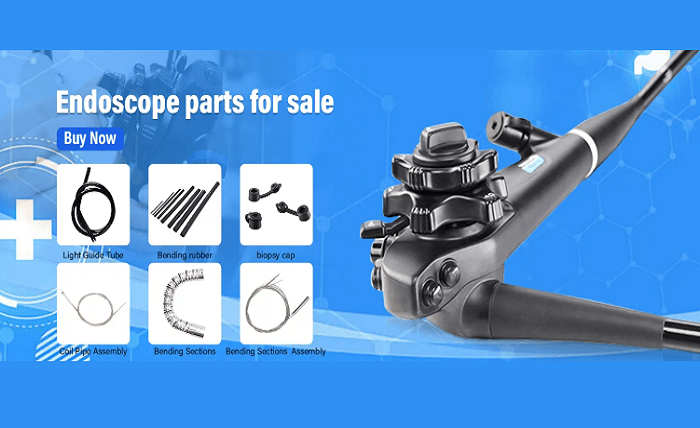
Endoscopy is an essential medical technique for diagnosing and treating various conditions. The endoscope insertion tube plays a crucial role in these procedures, allowing medical professionals to examine internal organs with minimal invasiveness. In the context of endoscope insertion tube analysis, understanding the technical aspects of the insertion tube is vital to improving both the efficiency and safety of these procedures. This article explores the materials, design, and functions of endoscope insertion tubes and how each element contributes to the effectiveness of the procedure. By analyzing the performance of the insertion tube, medical professionals can ensure better outcomes and minimize the risk of complications.
What is an Endoscope Insertion Tube?
An endoscope insertion tube is the flexible portion of the endoscope that is inserted into the body. It carries a light source and a camera to provide real-time images of the internal structures being examined. The insertion tube’s design, material, and flexibility are critical for the success of the procedure. It must be durable yet flexible enough to navigate through the body while providing high-quality imaging.
Materials Used in Endoscope Insertion Tubes
The materials chosen for the endoscope insertion tube significantly affect its performance, durability, and safety. Common materials used include:
- Medical-grade plastics: These are lightweight, flexible, and resistant to wear and tear. They are often used in the construction of the outer casing of the insertion tube.
- Stainless steel: Used in parts that require extra rigidity, stainless steel helps ensure the endoscope is strong enough to withstand repeated use and sterilization processes.
- Silicone and rubber: These materials are commonly used for the inner lining of the tube. They offer flexibility and comfort for the patient and help prevent injury during insertion.
Each material is selected based on its specific purpose and the type of procedure being performed. For example, plastic components might be used in less-invasive procedures, while more rigid materials like stainless steel are favored in cases that demand greater durability.
Design Features of Endoscope Insertion Tubes
The design of the insertion tube is critical to its functionality. Several design elements must be considered to ensure the tube works effectively during medical procedures.
1. Flexibility
The insertion tube must be flexible enough to navigate through the body’s twists and turns. A tube with the right balance of flexibility ensures that the device can reach difficult-to-access areas without causing unnecessary discomfort to the patient.
2. Length and Diameter
Endoscope insertion tubes vary in length and diameter based on the type of procedure. A colonoscopy, for instance, might require a longer, more rigid tube compared to a bronchoscopy, which demands a shorter and more flexible design. The diameter of the tube is also important for accommodating different instruments and ensuring that the tube can fit within the body’s cavities.
3. Camera and Light Source Integration
One of the most crucial elements of the endoscope insertion tube is the camera. Integrated at the tip of the tube, the camera transmits real-time images to a monitor, enabling the physician to make informed decisions. The light source, also at the tip of the insertion tube, ensures clear visibility even in dark or complex areas of the body.
4. Ergonomics and Handling
For the procedure to be performed effectively, the design of the endoscope insertion tube must also prioritize ergonomics. This includes features such as grip surfaces, lightweight construction, and controls that allow precise manipulation during the procedure.
Functions of the Endoscope Insertion Tube
The endoscope insertion tube serves multiple functions during a medical procedure. Its primary roles are to provide visual access to internal organs and deliver light for better visibility. However, it also plays a significant part in the overall success of the procedure by ensuring safety, comfort, and precision.
1. Visual Inspection
The most obvious function of the endoscope insertion tube is to provide a clear view of the internal organs or cavities. The attached camera transmits high-resolution images to a monitor, allowing the physician to make accurate assessments.
2. Instrument Passage
Endoscope insertion tubes are often equipped with additional channels through which surgical instruments can pass. This is especially important in diagnostic procedures that require tissue sampling, biopsy, or treatment interventions.
3. Minimally Invasive Treatment
In addition to diagnostic uses, endoscopy is increasingly used for minimally invasive treatments. The insertion tube allows doctors to not only visualize the affected area but also perform minor surgeries, such as removing tumors, cauterizing tissues, or draining fluids, all through small incisions.
4. Patient Comfort
The flexibility and design of the insertion tube play a crucial role in patient comfort during the procedure. A properly designed tube can reduce discomfort, minimize risk of injury, and ensure the procedure can be completed with minimal stress.
Importance of Proper Tube Selection
Choosing the right endoscope insertion tube is essential for the procedure’s success. Factors such as the patient’s body type, the area to be examined, and the type of procedure must all be considered when selecting the tube. For instance, in pediatric patients, a smaller and more flexible tube might be necessary, while for adult patients, a larger and more rigid tube could be more appropriate.
Proper tube selection also contributes to patient safety. A tube that is too large or too stiff can cause discomfort, while one that is too small may not provide adequate imaging or instrument passage. Therefore, the ideal tube balances both the procedure’s technical demands and the patient’s comfort.
Advancements in Endoscope Insertion Tube Technology
Technology continues to improve the design and functionality of endoscope insertion tubes. Modern innovations include:
- Flexible, high-definition cameras that provide better resolution and clearer images.
- Smaller and more flexible tubes that can navigate narrower passages with ease, reducing patient discomfort.
- Integrated tools that allow for real-time biopsies, laser treatments, or even robotic assistance, all while the procedure is ongoing.
These advancements are helping endoscopy become even more precise, effective, and patient-friendly.
Conclusion
The endoscope insertion tube is a vital component of endoscopic procedures, with its materials, design, and functions all contributing to the procedure’s success. From the flexibility and strength of the tube to the integration of imaging systems and surgical tools, each element is carefully crafted to optimize both patient safety and procedural efficiency.
Choosing the right endoscope insertion tube is not a one-size-fits-all approach. It depends on the patient’s condition, the type of procedure, and the medical team’s expertise. With the continuous development of technology, endoscope insertion tubes are becoming even more advanced, improving outcomes and enhancing the overall patient experience.
In the end, understanding the materials, design, and functionality of the endoscope insertion tube allows medical professionals to make more informed decisions, ensuring that each procedure is performed with the highest standards of care.