

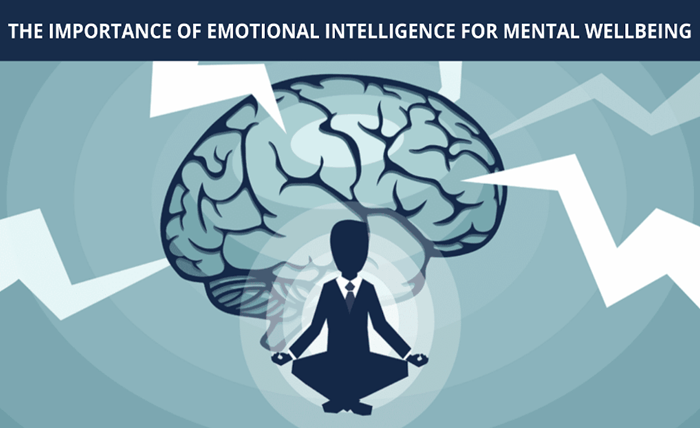
Nowadays, mental well-being is a critical focus, and Emotional Intelligence (EI) the ability to understand and manage emotions is key to maintaining balance. The emotional intelligence market was valued at $868 million in 2021 and is expected to grow at a 25.2% CAGR between 2022 and 2030. EI is a powerful tool for emotional regulation, reducing stress, fostering relationships, and promoting resilience. A healthy emotional state supports physical health, including blood circulation and brain health, both vital for mental well-being. This article explores how EI enhances mental well-being and emotional strength.
Navigating Life’s Emotional Landscape with Emotional Intelligence (EI)
Emotional Intelligence as a Tool for Inner Resilience
Emotional intelligence empowers individuals to manage their emotions effectively and understand the feelings of others. EI lays the foundation for resilience against stress, anxiety, and burnout while promoting the healthy blood circulation needed for overall health. The use of supplements for mental health plays a vital role in supporting brain function and emotional stability, but they work best in combination with practices like EI to foster long-term well-being. Our emotions aren’t just reactions, they’re signals, offering insights into our mental and emotional health.
Emotional intelligence helps us interpret these signals constructively and reduces the risk of developing harmful emotional patterns.
Emotions Aren’t Just Reactions
Emotions are powerful indicators of how we feel mentally, emotionally, and physically. When we pay attention to these signals, we can intervene before emotional stress spirals out of control. Emotional intelligence teaches us how to interpret these signals in healthy ways, allowing us to reframe situations that may otherwise feel overwhelming. This approach prevents emotional hijacking and cultivates a state of calm.
The Science Behind Emotional Intelligence and Its Impact on Mental Wellbeing
How Emotional Intelligence Enhances the Brain’s Coping Mechanisms
Research indicates that people with high emotional intelligence (EI) tend to manage stress and emotion-laden challenges more effectively. They can change the definition of a difficult situation and change their emotional responses accordingly. This lies at the heartbeat in the enhancement of brain health since stability in emotions enhances mental clarity.
Equally important is the role of emotional intelligence, not only in the regulation of emotions but also in their management to protect the brain from the detrimental effects of long-term stress. Cognitive processes are facilitated by emotional resilience, improving the quality of intellect as well as the decision-making capacity.
EI’s Role in Reducing Cognitive Load and Mental Exhaustion
The ability to understand and manage emotions, referred to as emotional intelligence, saves cognitive resources. This is so because people learn how to control their feelings instead of acting according to them. By thoughtfully answering instead of impulsively reacting, one protects the brain from possible fatigue and mental health degradation.
Key Areas Where Emotional Intelligence Promotes Mental Wellbeing
Self-awareness and Emotional Health
Developing self-awareness makes it possible for a person to notice changes in effect early enough and to do something about it. This reduces the likelihood of anxiety and depression while also improving blood circulation.
Empathy and Emotional Support
Empathy skills are essential for the establishment and maintenance of relationships. Widening empathy helps develop emotional strength which prevents mental drain and encourages mental fitness. This becomes increasingly important when talking about men’s health, where the presence of social and emotional support has been associated with lower rates of depression and other psychological problems.
Emotional Regulation in Stressful Situations
Emotional intelligence helps in delegating the management of feelings in such a manner that stress is eliminated and challenges are dealt with easily. Emotionally intelligent people remain calm and collected even when it’s a critical time too.
As stress levels increase, it is usually understandable that one may react ‘head first’ to such situations. In contrast to this, emotional intelligence helps a person to stay cool and composed. Such control of emotions is beneficial to the brain and its functioning.
The Growing Importance of Emotional Intelligence in Today’s World
Considering how emotional intelligence is being appreciated more and more, it gets difficult to stress its value in everyday life as well as in a career. In 2021, the emotional intelligence market was estimated at $868 million, and rising at a rapid pace, with a forecasted CAGR of 25.2% from 2022 to 2030. This growth shows the understanding of how EI can promote mental health, and improve relationships.
Practical Tips to Build Emotional Intelligence for Better Mental Health
Mindfulness Practices for Strengthening Emotional Awareness
Regularly incorporating a practice of mindfulness, be it through meditation or journaling into a person’s daily schedule, will facilitate an increased awareness of their emotions. Such practices enhance emotional intelligence in the individual but also promote healthy functioning of the brain, and decrease levels of the stress hormone cortisol.
Consciousness-oriented practice such as Brenda’s focused breathing or reflective journaling gives room to stop and evaluate oneself emotionally. Regular mindfulness practices enhance emotional development by teaching one to control feelings.
Building Empathy Through Active Listening
In turn, active listening promotes understanding, builds emotional intelligence, and contributes to overall well-being. This is especially useful in building social networks that provide psychosocial support which is crucial when it comes to men’s health and emotional wellbeing.
Active listening involves understanding what someone is conveying through their tone or expressions. Active listening is not only about enhancing one’s relationships but also about emotional intelligence development.
Regulating Emotional Responses with Self-Talk
It is not uncommon for people to resort to self-talk when they need to control their emotions. Changing the perception of the situation by replacing defeatist conclusions with more positive ones alleviates the emotional tension and enhances the overall functioning of the brain. This also aids in blood flow, helping to combat the consequences of long-term stress.
The inner voice we develop has a profound effect on our emotions. Stress-inducing thoughts can be turned around and an attitude geared toward emotional stability and wellness encouraged, through positive self-talking.
The Relationship Between EI and Long-Term Mental Health Outcomes
How EI Promotes Long-Term Coping Skills and Resilience
While attuning oneself to the dynamics of emotions also means learning to use tools to cope with these emotions which in turn leads to better and healthier long-term coping mechanisms. This, however, is not all that EI does as it also promotes physical well-being by enhancing blood flow and inducing behaviors that are healthy for the brain.
Life throws many challenges but one of the most important ways of fighting and dealing with such challenges is helped a lot by emotional intelligence. In the long run, these abilities enhance the physical and mental health of a person.
EI as a Buffer Against Mental Health Issues
Research has revealed that people with higher emotional intelligence are less likely to experience psychological disorders, including anxiety and depression. EI acts as a protective armoring of the brain’s health in times of stress. This capacity acts as a shield from mental health conditions.
Unlocking Well-being Through Emotional Intelligence
Emotional intelligence is more than merely a ‘soft skill’; it is a crucial tool for enhancing overall well-being. By learning how to manage feelings, comprehend oneself and others, and create emotional endurance, we can enhance ourselves. Raising one’s emotional intelligence is a task that spans many years and although it may come with some discomfort, the rewards are clearer thinking, improved relations with others, and a happier and more even lifestyle.
FAQs
- How can emotional intelligence help me manage stress better?
Emotional intelligence helps you recognize the early signs of stress and take proactive steps to manage it. Techniques like deep breathing, positive self-talk, and emotional reframing help reduce stress at the moment, supporting both brain health and optimal blood circulation.
- Is emotional intelligence something I can learn, or is it innate?
Emotional intelligence is a skill that can be developed. Through mindfulness practices, emotional regulation techniques, and empathy-building exercises, individuals can enhance their EI and improve their overall mental health, brain health, and blood circulation.
- Can emotional intelligence improve my relationships and social life?
Yes, emotional intelligence enhances your ability to understand and connect with others on a deeper level. By improving communication, empathy, and emotional regulation, EI fosters stronger relationships that support mental health and emotional well-being particularly important for men’s health.