

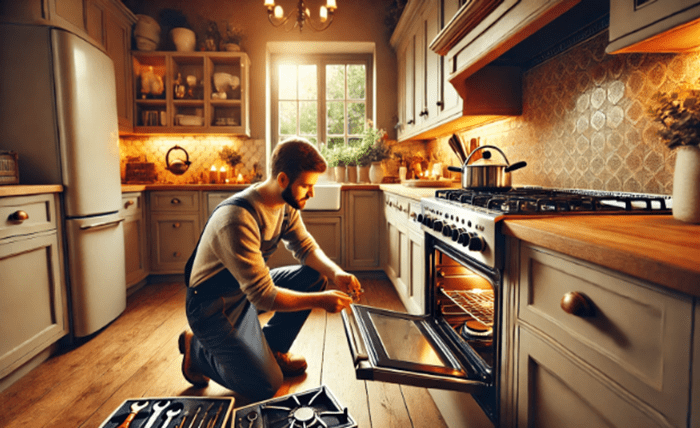
A gas range is a reliable and essential appliance for any kitchen. It offers precise control over cooking temperatures and is generally very durable. However, like all appliances, it can experience issues over time. Knowing how to identify and fix common problems can save you the hassle of calling in a professional. In this article, we’ll cover some of the most frequent issues with gas ranges and provide practical solutions that anyone can try at home.
Gas Range Repair: What Can Go Wrong?
Gas ranges, while generally efficient, can encounter a variety of problems. Gas range repair often involves addressing issues like burners that won’t light, uneven flame distribution, or an oven that refuses to heat properly. These issues can disrupt your cooking routine, but many of them are fixable with a bit of knowledge and patience.
Let’s dive into some of the most common problems homeowners face with gas ranges and how to troubleshoot them.
1. Burner Won’t Light
If your burner refuses to ignite, it’s one of the most frustrating problems to deal with, especially when you’re in the middle of cooking. This issue usually stems from either a clogged burner or a faulty ignition system.
Solution:
- Clean the Burner: Sometimes food debris or grease can block the burner ports, preventing gas from flowing through. Start by removing the burner grate and cap, and clean the area using a soft brush. Make sure to clear any buildup that could obstruct the gas flow.
- Check the Igniter: If the burner still won’t light, the igniter might be the problem. Try lighting the burner manually with a match. If it works, the igniter likely needs replacement.
2. Weak or Uneven Flame
A weak flame or uneven heat distribution can make cooking difficult. This problem is often caused by a blockage in the gas supply or low gas pressure.
Solution:
- Inspect the Burner Holes: Clean any dirt or debris from the burner holes to ensure proper gas flow. Even a small blockage can affect how the flame burns.
- Gas Pressure Issues: If cleaning doesn’t solve the problem, the gas pressure could be too low. In this case, it’s a good idea to contact your gas company or a professional to inspect the system. Low gas pressure can indicate a more significant issue with the supply line.
3. Oven Doesn’t Heat Up
If your oven isn’t heating to the desired temperature or is taking forever to preheat, it can lead to undercooked meals or frustration when baking.
Solution:
- Igniter Troubles: A weak or failing igniter is a common culprit. When the igniter doesn’t heat up enough, it won’t ignite the gas properly, and your oven may stay cold. Replacing the igniter is usually the most effective solution.
- Thermostat Calibration: If the oven heats unevenly or doesn’t maintain the correct temperature, the thermostat could need recalibration or replacement. A poorly calibrated thermostat will give incorrect temperature readings, leading to inconsistent cooking results.
4. Gas Smell
If you ever notice the smell of gas in your kitchen, it’s crucial to act quickly. A gas leak can be incredibly dangerous, leading to fires or explosions.
Solution:
- Shut Off the Gas Immediately: As soon as you detect a gas smell, turn off the gas supply to your range and open windows to allow fresh air in. Do not light any matches or turn on electrical appliances.
- Call a Professional: Gas leaks should always be handled by a professional. Do not attempt to repair the gas line yourself, as it requires specialized skills and equipment.
5. Constant Clicking Sound
It’s normal to hear clicking when you ignite a burner, but if the sound persists after the burner is lit, it could be a sign of a problem.
Solution:
- Dry the Igniter: Excess moisture is often the cause of continuous clicking. Wipe the igniter and surrounding area dry to prevent the moisture from shorting the igniter.
- Check for Food Debris: Food particles stuck in the igniter could also cause clicking. Clean the igniter area carefully to remove any debris. If the problem continues, the igniter might need replacement.
When to Call a Professional
While many gas range problems can be resolved with some simple troubleshooting, some issues require the expertise of a professional. For example, problems with gas lines, complex electrical components, or safety concerns should not be handled on your own. Calling a professional for gas range repair ensures your appliance is fixed correctly and safely.
Preventative Maintenance Tips
To avoid recurring issues, regular maintenance of your gas range is crucial. Here are a few tips to keep your appliance running smoothly:
- Clean the burners regularly to prevent clogs and ensure an even flame.
- Check the igniter periodically to make sure it’s working correctly and replace it if necessary.
- Inspect the gas line for any signs of wear or leaks, and make sure the connection is secure.
These preventative measures can extend the life of your gas range and reduce the need for frequent repairs.
Conclusion
Gas range repair doesn’t have to be a daunting task. With a little knowledge and some basic troubleshooting, you can resolve many of the common issues that arise. However, for more complex or dangerous problems, always reach out to a professional. Keeping your gas range in good working condition ensures your kitchen remains a safe and efficient space for all your cooking needs.