

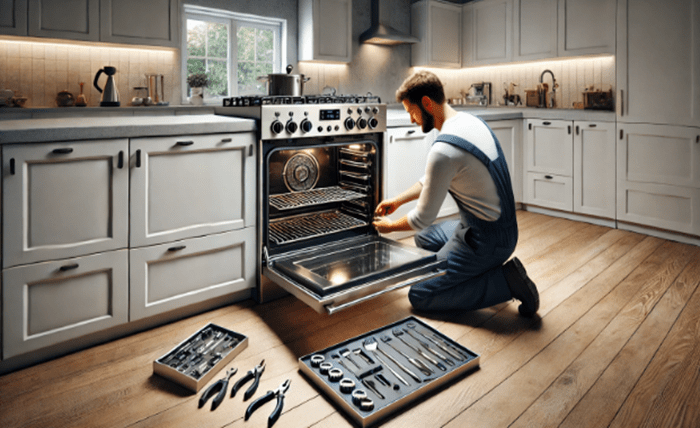
Stoves are the heart of any kitchen, providing the heat that transforms raw ingredients into delicious meals. Whether gas or electric, stoves are heavily relied upon, and when they malfunction, it can be a major disruption. Fortunately, many common stove issues are easy to identify and fix. In this article, we’ll explore frequent stove problems and offer practical solutions to help you keep cooking without unnecessary delays.
Understanding Stove Appliance Repair
At some point, nearly everyone will face the need for Stove Appliance Repair. Your burners may stop heating, or you might notice an odd smell or noise while cooking. These problems can be frustrating, but understanding how to address them can help you get your stove back to normal quickly. Whether you’re dealing with an electric or gas stove, many of the most frequent issues can be resolved with a little troubleshooting.
1. Burners Not Heating or Igniting
It’s hard to cook when the burner doesn’t heat up. Both gas and electric stoves face this issue, but the causes are different.
Gas Stove Solution:
- Check the Igniter: If you hear the clicking sound but the burner won’t light, the igniter could be dirty or worn. Clean it gently with a toothbrush or soft brush to remove grease or food debris. If cleaning doesn’t work, the igniter may need to be replaced.
- Reposition the Burner Cap: Ensure the burner cap is seated correctly. A misaligned cap can prevent the gas from igniting. Align the cap properly, and try again.
Electric Stove Solution:
- Inspect the Heating Coil: If an electric burner isn’t heating, it’s likely due to a faulty heating element. Look for visible damage, like cracks or burns, and replace the coil if needed.
- Check the Receptacle: If the heating element looks fine but still won’t heat, check the socket where the element plugs into the stove. A loose or corroded connection may be to blame. Replace the receptacle if it’s damaged.
2. Uneven Cooking
If your stove isn’t cooking food evenly, it can ruin recipes and waste time. Uneven heat distribution is a common issue that can arise from clogged burners or malfunctioning components.
Gas Stove Solution:
- Clean the Burners: Clogged burner ports can cause uneven heat. Remove the grate and burner cap, and use a pin or needle to clear debris from the gas openings. This can restore even cooking.
- Check the Gas Pressure: If cleaning the burners doesn’t solve the issue, low gas pressure could be the cause. If the gas supply is weak, consult a professional to inspect your gas line.
Electric Stove Solution:
- Replace the Heating Element: Inconsistent heat is often caused by a damaged heating element. If the element heats only partially or not at all, replacing it will likely resolve the problem.
- Inspect the Temperature Control: If the stove is giving off erratic heat levels, the temperature control mechanism may be faulty. A defective thermostat or control board may need replacement to restore proper temperature regulation.
3. Cracked Glass Stove Top
A glass stove top adds a sleek, modern look to your kitchen, but it can be fragile. If something heavy falls on it, or it experiences sudden temperature changes, the surface can crack.
Solution:
- Superficial Cracks: Minor cracks can sometimes be repaired using a specialized ceramic stove repair kit. These kits include a filler that can bond to the glass and restore a smooth surface. Follow the instructions carefully to repair small cracks.
- Major Damage: Large or deep cracks should not be ignored. These cracks can worsen over time and pose safety risks. In such cases, it’s best to replace the stove top entirely. Consult a technician to ensure it’s done safely.
4. Burner Makes Strange Noises
If your stove starts making strange noises, such as clicking, buzzing, or whistling, it’s worth investigating. Some noises are normal, but others may indicate a problem that needs attention.
Gas Stove Solution:
- Persistent Clicking: If the burner keeps clicking even after lighting, the igniter may be dirty or malfunctioning. Clean it carefully, and if the noise persists, consider replacing the igniter.
- Hissing or Whistling: This may signal a gas leak or problem with the gas flow. Turn off the gas supply and consult a professional immediately if you hear such sounds.
Electric Stove Solution:
- Buzzing or Humming: An electric stove might buzz if the heating element is wearing out. If the sound occurs during use, inspect the element and replace it if necessary.
- Inspect the Electrical Connections: Loose wiring can create noise, especially if a connection is compromised. If you suspect wiring issues, it’s best to call a professional for repairs.
5. Oven Door Not Closing Properly
If the oven door doesn’t close fully, it can let heat escape and disrupt cooking. This can also increase energy consumption as the stove works harder to maintain the right temperature.
Solution:
- Replace the Door Gasket: The gasket around the oven door creates a seal to retain heat. Over time, it can wear out or crack. Replacing the gasket is usually an easy fix that improves oven efficiency.
- Adjust or Replace the Hinges: If the door doesn’t close all the way, the hinges may be loose or misaligned. Tightening the screws or replacing worn hinges should resolve the issue.
6. Burning Smells During Use
A burning smell while cooking is not only unpleasant but could be a sign of a serious problem, especially if it persists.
Solution:
- Check for Food Debris: Often, the smell is due to food or grease that has spilled and burned on the burners or in the oven. Clean the stove thoroughly to eliminate these odors.
- Inspect the Wiring: A persistent burning smell, especially if accompanied by smoke, could signal an electrical issue. This is a potentially dangerous problem that requires immediate attention. Unplug the stove and call a technician if you suspect faulty wiring.
When to Call a Professional
While many stove issues can be resolved with basic troubleshooting, some problems require professional help. Gas leaks, wiring issues, and extensive repairs are best left to licensed technicians to ensure safety and prevent further damage.
Preventative Maintenance Tips for Stoves
To keep your stove in good working order and avoid costly repairs, regular maintenance is key. Here are a few tips:
- Clean the burners and heating elements regularly to ensure efficient performance and avoid clogging or uneven heating.
- Inspect the gas lines and electrical connections to catch any potential issues early.
- Replace worn-out parts, such as gaskets and control knobs, before they cause bigger problems.
Stove appliance repair doesn’t have to be a daunting task. With a little know-how, you can resolve many common stove issues, from burners that won’t heat to noisy elements and cracked surfaces. By identifying the problem and taking the appropriate steps to fix it, you can save both time and money, and keep your stove running smoothly for years to come. However, for more complex repairs or safety concerns, don’t hesitate to call a professional.