

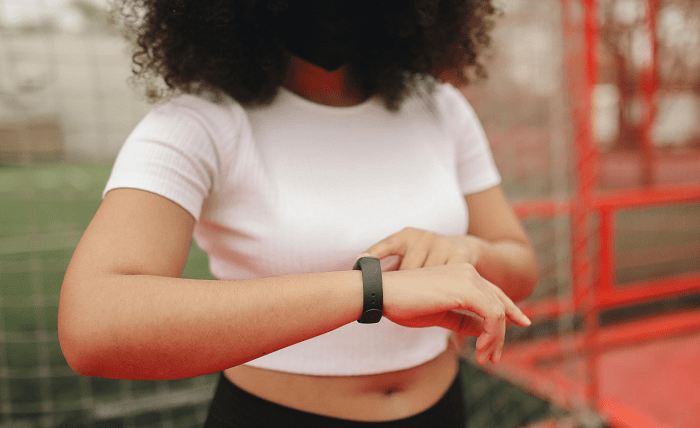
Wearable technology is quickly emerging as the next frontier in personal computing. These devices collect vast amounts of personal data, including photos, videos, and biometric information. As more people adopt these technologies, wearables become critical tools in personal injury lawsuits.
Smartwatches, in particular, provide valuable insights by tracking users’ activities. These wrist-worn devices sync with smartphones, allowing users to receive notifications, take photos, and record videos.
Pew Research data shows that nine out of ten Americans have a smartphone, spanning from the young to the elderly. Thus, nearly everyone in the nation now carries technology capable of tracking their movements and activities. Additionally, NIH data reports that 35% of women and 34% of men in the US used wearable tech in 2023. This further highlights that the detailed information gathered by these devices can play a growing role in legal disputes.
In this blog post, we’ll discuss how the prevalence of wearable tech has significant implications for personal injury lawsuits.
Techno-Legal Lessons from the Labor Day Weekend Car Crashes in Atlanta
During Labor Day weekend 2024, Georgia experienced a significant surge in travel-related incidents. A preliminary report from the Atlanta News First states that 20 people died in car accidents. Over 200 were injured in more than 550 crashes. Seven of the fatalities occurred in metro Atlanta, with various police departments reporting multiple deaths.
Alarmingly, state troopers and officers conducted over 24,000 traffic stops and arrested over 480 drivers for DUI. Fitness trackers could potentially monitor sobriety in cases of personal harm, offering opportunities for legal recourse. Additionally, using data from wearable devices to build cases provides valuable evidence. Atlanta personal injury attorneys can assist in handling these cases, ensuring victims receive the compensation they deserve.
How Does Wearable Technology Impact Personal Injury Cases?
The American Bar Association notes that wearables impact personal injury cases by confirming reduced activity levels among victims. In some instances, the data also discredits claims in others.
Wearables collect a large amount of data, which raises questions about its discoverability in legal cases. Such devices and smartphones offer new possibilities for reconstructing events leading up to a personal injury. Moreover, it can provide evidence that corroborates or contradicts witness statements.
Under the Federal Rules of Civil Procedure, parties must disclose relevant documents and electronic data. These materials could further support claims or defenses. For instance, in car accident injury claims, data from the driver’s wearable devices can be critical and subject to legal discovery.
According to Atlanta Personal Injury Law Firm, such information can support or challenge their claims. In legal disputes, courts must weigh an individual’s expectation of privacy against the value of the data sought. If the information is deemed crucial to the case, a court may order its release.
Privacy Issues Surrounding Using Wearable Technology Data as Court Evidence
Privacy becomes a critical challenge when using wearable technology data in personal injury cases. Attorneys must identify where data is stored and who controls access to it. A 2024 Cryptography article notes many companies have policies for releasing user data to legal requests. These releases often occur without user consent, under policies allowing for subpoenas or warrants.
As more Americans adopt wearable technology, its impact on legal cases, particularly personal injury lawsuits, continues to grow. While privacy concerns may complicate access to this data, attorneys can leverage it to strengthen their clients’ positions in court.
FAQs
How can wearable technology data impact personal injury lawsuits?
Wearable devices like smartwatches and fitness trackers collect detailed data on users’ movements, activities, and health metrics. This information can be used as evidence in personal injury lawsuits. In this regard, the aim is to corroborate claims about the extent of injuries or events leading to the injury.
Is data from wearable technology admissible in court?
Yes, data from wearable technology is often admissible in court. However, for wearable device data to be considered in legal proceedings, it must pass tests of relevancy, reliability, and authenticity. Moreover, the legality of considering such data depends on privacy concerns and the expectations of confidentiality maintained by the data’s owner.
What privacy concern arises when using wearable technology data in legal cases?
The main issue is the extensive amount of personal health data these devices collect. These can be heart rates, sleep patterns, and physical activity. This data is often stored in the cloud, making it accessible to third parties including companies and researchers. Its accessibility can lead to privacy breaches where personal health information is used without the individual’s consent for commercial purposes.
While fitness trackers offer the potential to manage overall wellness, they are also opening up new avenues in tort cases. These wearables can provide court-admissible evidence in critical cases. As fitness technology evolves, ensuring these devices are transparent and reliable in data collection remains a vital priority.