

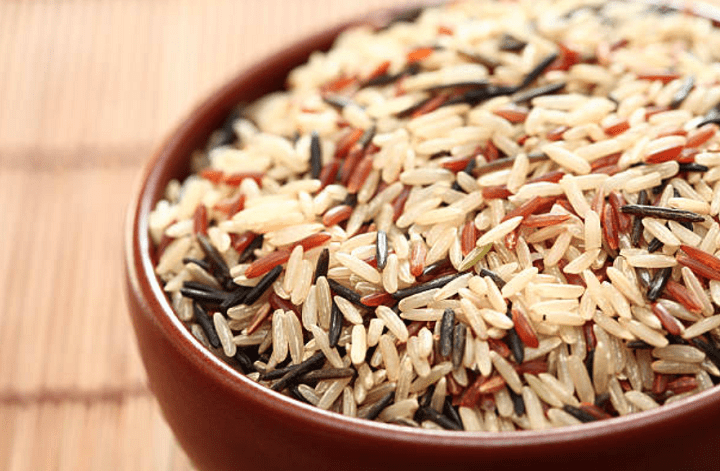
Wild rice is a unique and nutritious grain that has been a staple in the diets of many indigenous peoples for centuries. Despite its name, wild rice is not actually rice but rather the seed of an aquatic grass species. With its distinct appearance, rich flavor, and numerous health benefits, wild rice has gained popularity in modern cuisine, especially among those looking for healthy and diverse food options.
In this detailed guide, we will explore what wild rice looks like, its different varieties, how it is cultivated, and how it compares to regular rice. We’ll also discuss its nutritional benefits and provide some cooking tips to help you enjoy this ancient grain to the fullest.
What Is Wild Rice?
Before diving into its appearance, it’s important to understand what wild rice is and how it differs from the more common types of rice you might be familiar with.
The Basics of Wild Rice
Wild rice is the seed of aquatic grasses that belong to the genus Zizania. There are four species of wild rice:
- Northern Wild Rice (Zizania palustris): Native to the Great Lakes region in North America, particularly in the U.S. and Canada. This is the most common type of wild rice consumed in the U.S.
- Southern Wild Rice (Zizania aquatica): Found in the Gulf Coast region of the U.S.
- Texas Wild Rice (Zizania texana): A rare species found only in the San Marcos River in Texas.
- Manchurian Wild Rice (Zizania latifolia): Native to Asia and commonly used as a vegetable rather than a grain.
Not True Rice
Unlike regular rice, which comes from the Oryza sativa plant, wild rice is technically not a rice. It’s closer to oats or wheat than to true rice, but its grain-like qualities and culinary uses make it similar in many respects. Wild rice is also called “water oats,” “Canada rice,” and “Indian rice.”
What Does Wild Rice Look Like?
The appearance of wild rice is distinct from that of typical white or brown rice. Here’s a closer look at its physical characteristics:
Size and Shape
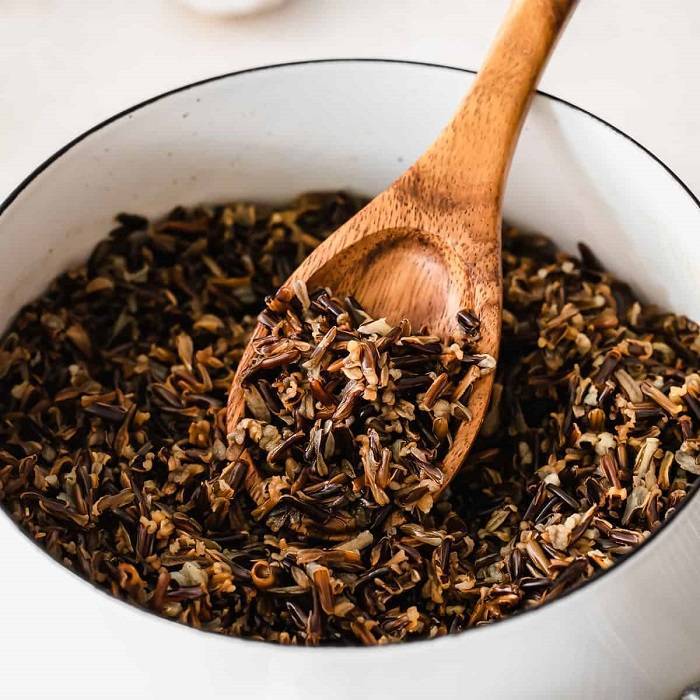
Wild rice grains are long, slender, and have a slightly curved shape. The grains are typically longer than regular rice grains, measuring between 1/2 to 3/4 of an inch in length. When uncooked, wild rice grains are firm, hard, and have a rigid structure.
Color
Wild rice has a striking color that sets it apart from other grains. Uncooked wild rice is typically dark brown to black in color, with a glossy, almost shiny exterior. The deep, rich hue is due to the presence of bran, which is retained during minimal processing. When cooked, wild rice changes color, becoming lighter with shades of brown, gray, or even slightly green, depending on the variety and cooking method.
Texture
Uncooked wild rice has a hard, grainy texture due to its dense bran layer. This outer layer contributes to its chewy texture when cooked. Unlike the fluffy texture of regular white or brown rice, cooked wild rice is slightly chewy on the outside but tender on the inside, providing a unique mouthfeel that is both satisfying and hearty.
Aroma and Flavor
Wild rice has a distinctive aroma and flavor that are unlike any other grain. When cooking, it releases a nutty, earthy scent that is often described as similar to black tea or roasted nuts. The flavor is robust, slightly smoky, and earthy, with a subtle sweetness that pairs well with various ingredients. Its unique taste profile makes it a versatile addition to both savory and sweet dishes.
Appearance After Cooking
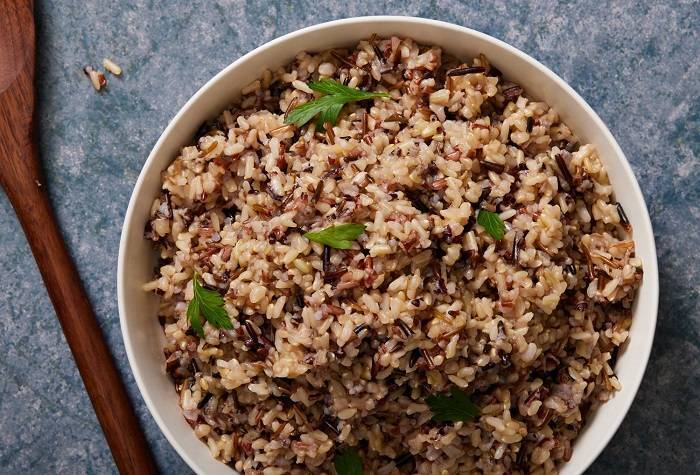
When cooked, wild rice grains split open and “butterfly” slightly, revealing a lighter, cream-colored interior. This gives wild rice a two-toned appearance with a mix of dark outer bran and light inner grain. The grains become longer and expand, often bursting open, which is a sign that the rice is fully cooked.
Varieties of Wild Rice and Their Differences
Wild rice comes in several varieties, each with its own unique characteristics. Understanding these differences can help you choose the right type of wild rice for your recipes.
Northern Wild Rice (Zizania palustris)
- Appearance: Long, slender grains with a dark brown to black color. The grains are slightly curved and have a glossy sheen.
- Flavor and Texture: Nutty and slightly earthy flavor with a firm, chewy texture. When cooked, the grains split open and have a tender inside.
- Uses: This is the most commonly consumed variety in the U.S. and Canada. It’s versatile and used in soups, salads, side dishes, and stuffings.
Southern Wild Rice (Zizania aquatica)
- Appearance: Slightly shorter and thicker grains compared to Northern wild rice. The color ranges from dark brown to nearly black.
- Flavor and Texture: Similar to Northern wild rice but often considered slightly milder in flavor. The texture is chewy with a firm outer layer.
- Uses: This variety is often used in Southern U.S. cuisines and can be used in similar recipes as Northern wild rice.
Texas Wild Rice (Zizania texana)
- Appearance: Long, slender grains that are dark brown to black. The grains are similar in appearance to Northern wild rice but are much rarer and harder to find.
- Flavor and Texture: This variety has a delicate flavor with a subtle sweetness and a slightly chewy texture.
- Uses: Due to its rarity, Texas wild rice is primarily used in traditional Texan dishes and conservation efforts to protect its habitat.
Manchurian Wild Rice (Zizania latifolia)
- Appearance: Unlike the North American varieties, Manchurian wild rice is often harvested as a vegetable rather than a grain. The plant is tall with broad leaves, and the edible part is the swollen stem.
- Flavor and Texture: The stem has a mild, slightly sweet flavor with a crunchy texture, unlike the grains of North American wild rice.
- Uses: Commonly used in Asian cuisines, particularly in stir-fries and soups.
How Wild Rice is Cultivated and Harvested
Wild rice cultivation and harvesting processes differ significantly from those of regular rice, adding to its unique characteristics.
Natural Growth and Harvesting
Wild rice naturally grows in shallow freshwater lakes, rivers, and marshes. It prefers water depths of 1 to 3 feet and thrives in areas with minimal water flow. Wild rice is harvested in late summer to early fall, typically between August and September.
Traditional Harvesting Methods: Historically, wild rice was hand-harvested by indigenous peoples using canoes. Two people would paddle through the rice beds, with one knocking the rice grains into the canoe using a pair of sticks. This method is still practiced today in some areas, preserving cultural traditions and ensuring sustainable harvesting.
Commercial Cultivation
Today, most wild rice is commercially cultivated in controlled environments. The grains are grown in flooded fields or paddies, similar to the cultivation of conventional rice, but with certain modifications to accommodate wild rice’s unique growth needs.
Modern Harvesting Techniques: In commercial settings, wild rice is harvested using mechanical harvesters, which cut the stalks and collect the grains. The harvested rice is then dried, hulled, and minimally processed to retain its bran and nutritional value.
Nutritional Benefits of Wild Rice
Wild rice is not only unique in appearance and flavor but also offers numerous nutritional benefits that make it a healthy addition to any diet.
High in Protein
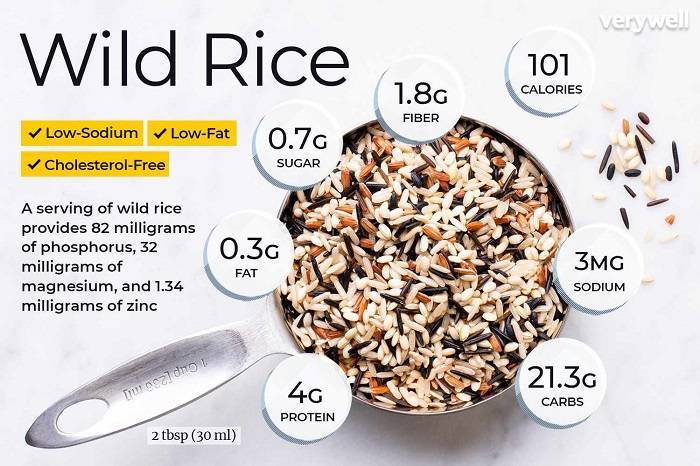
Wild rice is higher in protein compared to other grains like white and brown rice. It contains about 4 grams of protein per 100 grams of cooked rice, making it a good plant-based protein source for vegetarians and vegans.
Rich in Fiber
With approximately 3 grams of fiber per 100 grams, wild rice is an excellent source of dietary fiber. Fiber is essential for digestive health, helping to maintain regular bowel movements and prevent constipation.
Packed with Antioxidants
Wild rice is rich in antioxidants, particularly phenolic compounds, which help protect the body from oxidative stress and reduce the risk of chronic diseases such as heart disease and cancer.
Low in Calories and Fat
Wild rice is low in calories and fat, making it a great option for those looking to maintain a healthy weight. A 100-gram serving of cooked wild rice contains about 100 calories and less than 1 gram of fat.
High in Essential Nutrients
Wild rice is a good source of several essential nutrients, including magnesium, phosphorus, zinc, and B vitamins like niacin and folate. These nutrients are important for energy production, bone health, and overall well-being.
How to Cook Wild Rice
Cooking wild rice is slightly different from cooking regular rice due to its dense bran layer and unique texture. Here are some tips for preparing wild rice:
Rinse Thoroughly
Before cooking, rinse the wild rice under cold water to remove any dust or debris. This step is especially important for wild rice that has been minimally processed.
Use a High Water-to-Rice Ratio
Wild rice requires more water and a longer cooking time compared to regular rice. A typical ratio is 3 to 4 cups of water for every 1 cup of wild rice.
Simmer Gently
Bring the water to a boil, add the wild rice, and then reduce the heat to a simmer. Cover the pot and cook for about 40 to 60 minutes, or until the grains are tender and have split open. The cooking time can vary depending on the variety and age of the rice.
Drain Excess Water
Once the wild rice is cooked, drain any excess water using a fine-mesh strainer. Fluff the rice with a fork to separate the grains and serve.
Cooking in Broth or Stock
For added flavor, consider cooking wild rice in chicken, beef, or vegetable broth instead of water. This will infuse the grains with additional savory notes and enhance the overall taste of your dish.
Ways to Use Wild Rice in Your Cooking
Wild rice’s unique flavor and texture make it a versatile ingredient that can be used in a variety of dishes. Here are some ideas for incorporating wild rice into your meals:
Wild Rice Pilaf
Combine cooked wild rice with sautéed vegetables, nuts, and dried fruits for a flavorful pilaf. Season with herbs like thyme, rosemary, or sage, and serve as a side dish for poultry, fish, or roasted vegetables.
Wild Rice Salad
Create a hearty and nutritious salad by mixing cooked wild rice with fresh vegetables, herbs, and a tangy vinaigrette. Add ingredients like feta cheese, cherry tomatoes, cucumbers, and olives for a Mediterranean-inspired dish.
Soups and Stews
Add wild rice to soups and stews for a hearty, chewy texture. It pairs well with ingredients like chicken, mushrooms, butternut squash, and kale. Wild rice also absorbs the flavors of the broth, enhancing the overall taste of the dish.
Stuffed Vegetables
Use wild rice as a filling for stuffed peppers, zucchini, or acorn squash. Mix the rice with sautéed vegetables, herbs, and cheese, and bake until the vegetables are tender and the filling is heated through.
Breakfast Porridge
Wild rice can be used to make a delicious breakfast porridge. Cook the rice with milk or a milk alternative, add a sweetener like honey or maple syrup, and top with fresh fruit, nuts, and a sprinkle of cinnamon.
Related Post:
Breaking Down Dallas Mavericks vs Boston Celtics: In-Depth Player Stats and Highlights
How Tall is Ja Morant: A Comprehensive Look at the Memphis Grizzlies’ Star Player
All I Do Is Win – Achieving Success in Every Aspect of Life
Wild rice is a unique and nutritious grain with a distinctive appearance, flavor, and texture that sets it apart from regular rice. Its long, slender grains, dark color, and robust flavor make it a versatile ingredient that can be used in a variety of dishes, from salads and pilafs to soups and stews.
While wild rice may require a bit more time and effort to prepare compared to other grains, its nutritional benefits and delicious taste make it well worth the effort. Whether you’re looking to try something new in the kitchen or want to incorporate more whole grains into your diet, wild rice is a fantastic option that’s sure to impress. So next time you’re at the grocery store, consider picking up some wild rice and discovering its unique qualities for yourself!