

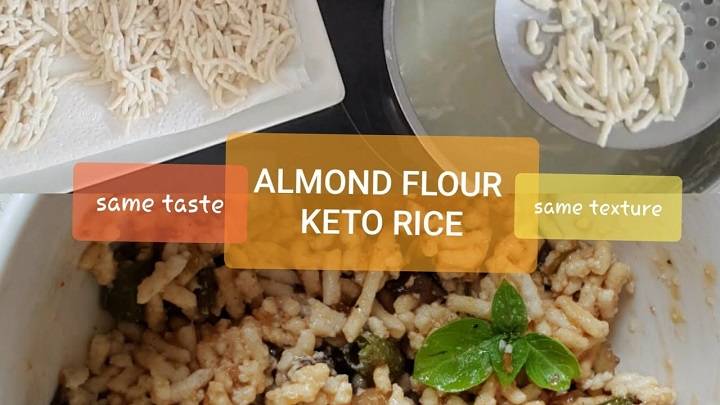
The ketogenic diet, commonly known as keto, has become increasingly popular for its potential to help people lose weight, improve mental clarity, and manage certain health conditions like type 2 diabetes. The keto diet emphasizes low carbohydrate intake while increasing the consumption of fats and moderate amounts of protein. This shift in macronutrient balance encourages the body to enter a state of ketosis, where it burns fat for energy instead of carbohydrates.
Given the strict carb limitations of the keto diet, many people wonder about the suitability of various ingredients, including rice flour. Rice flour, commonly used in gluten-free baking and cooking, is made from finely ground rice and is a staple in many cuisines worldwide. However, whether rice flour is keto-friendly is a topic of interest for those adhering to a ketogenic lifestyle.
In this comprehensive guide, we’ll explore whether rice flour fits into a keto diet, its nutritional profile, and alternatives you can use if you’re looking to maintain ketosis. By the end of this article, you’ll have a clear understanding of how rice flour aligns with keto principles and what options you have if it doesn’t.
What Is Rice Flour?
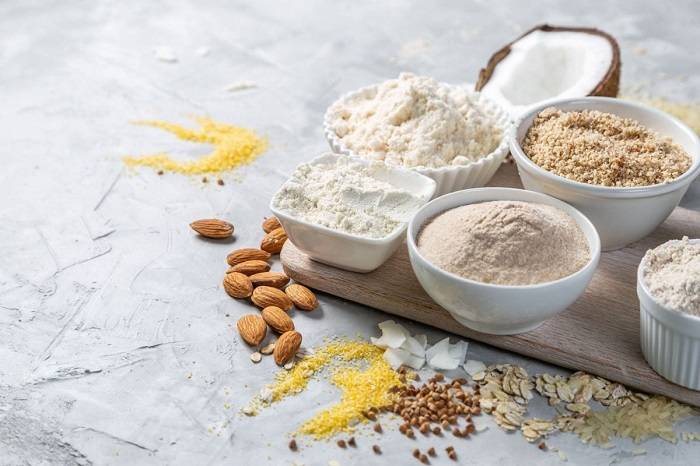
Before diving into its compatibility with the keto diet, it’s important to understand what rice flour is and how it’s used in cooking and baking.
Types of Rice Flour
Rice flour is made from milled rice and comes in two primary types:
- White Rice Flour: Made from polished white rice, white rice flour is the most commonly used type. It has a fine texture and is often used in baking, thickening sauces, and making noodles.
- Brown Rice Flour: Made from whole grain brown rice, brown rice flour retains the bran and germ, giving it a slightly nuttier flavor and higher fiber content. It’s considered a more nutritious option than white rice flour.
Common Uses of Rice Flour
Rice flour is incredibly versatile and is used in a variety of dishes, particularly in gluten-free baking. Some common uses include:
- Baking: Rice flour is often used in gluten-free recipes for bread, cakes, cookies, and pastries.
- Thickening Agent: It can be used to thicken soups, sauces, and gravies.
- Coating: Rice flour is used as a coating for frying foods, providing a light, crispy texture.
- Noodles: In Asian cuisine, rice flour is the primary ingredient in rice noodles.
Nutritional Profile of Rice Flour
To determine whether rice flour is suitable for a keto diet, it’s essential to look at its nutritional content, particularly its carbohydrate content.
White Rice Flour Nutritional Breakdown (Per 100 grams)
- Calories: 366 kcal
- Carbohydrates: 80.1 grams
- Fiber: 2.4 grams
- Sugars: 0.1 grams
- Protein: 5.9 grams
- Fat: 1.4 grams
Brown Rice Flour Nutritional Breakdown (Per 100 grams)
- Calories: 363 kcal
- Carbohydrates: 76.5 grams
- Fiber: 4.9 grams
- Sugars: 0.9 grams
- Protein: 7.2 grams
- Fat: 2.8 grams
Carbohydrate Content
The most striking aspect of rice flour’s nutritional profile is its high carbohydrate content. Both white and brown rice flour contain a significant amount of carbs, with white rice flour containing approximately 80 grams of carbohydrates per 100 grams and brown rice flour containing slightly less at around 76.5 grams per 100 grams.
Glycemic Index (GI) and Glycemic Load (GL)
The glycemic index (GI) of a food indicates how quickly it raises blood sugar levels. White rice flour has a high GI, meaning it can cause rapid spikes in blood sugar, which is not ideal for those following a keto diet. Brown rice flour has a slightly lower GI due to its higher fiber content, but it’s still relatively high compared to keto-friendly options.
Is Rice Flour Keto-Friendly?
Given its high carbohydrate content, rice flour is not considered keto-friendly. The keto diet typically limits carbohydrate intake to 20-50 grams per day, depending on the individual’s goals and metabolic response. Consuming rice flour, even in small amounts, can easily exceed this limit and disrupt ketosis.
Impact on Ketosis
Ketosis is the metabolic state in which the body burns fat for fuel instead of carbohydrates. To maintain ketosis, it’s crucial to keep carbohydrate intake low. Since rice flour is primarily composed of carbohydrates, consuming it can quickly raise blood sugar levels and cause the body to exit ketosis, negating the benefits of the keto diet.
Alternatives to Rice Flour on a Keto Diet
While rice flour is not suitable for a keto diet, there are several low-carb alternatives that can be used in its place. These substitutes allow you to enjoy baked goods, thicken sauces, and coat foods without compromising your carb intake.
Keto-Friendly Alternatives to Rice Flour
Here are some popular low-carb substitutes for rice flour that you can use in your keto recipes:
Almond Flour
Almond flour is one of the most popular keto-friendly flours. Made from finely ground almonds, it’s low in carbs and high in healthy fats, making it an excellent choice for keto baking.
- Carbohydrates: 10.6 grams per 100 grams
- Uses: Almond flour is great for baking cookies, cakes, muffins, and bread. It can also be used as a coating for frying foods and as a thickener in sauces.
Coconut Flour
Coconut flour is another low-carb flour made from dried and ground coconut meat. It’s highly absorbent, so you’ll need less of it compared to other flours.
- Carbohydrates: 21 grams per 100 grams
- Uses: Coconut flour is ideal for baking, especially in recipes where you want a subtle coconut flavor. It’s also good for thickening soups and sauces.
Flaxseed Meal
Flaxseed meal is made from ground flaxseeds and is rich in fiber and omega-3 fatty acids. It’s a versatile ingredient that adds a slightly nutty flavor to recipes.
- Carbohydrates: 28 grams per 100 grams (but with 27 grams of fiber, net carbs are very low)
- Uses: Flaxseed meal can be used in baking, as an egg replacement in vegan recipes, and as a binder in meatloaf or burgers.
Psyllium Husk Powder
Psyllium husk powder is a fiber supplement made from the husks of the Plantago ovata plant’s seeds. It’s very low in digestible carbs and helps add structure to keto baked goods.
- Carbohydrates: 85 grams per 100 grams (but with 78 grams of fiber, net carbs are extremely low)
- Uses: Psyllium husk powder is often used in keto baking to give bread and other baked goods a chewy texture. It’s also used to thicken sauces and soups.
Sunflower Seed Flour
Sunflower seed flour is made from ground sunflower seeds and is another low-carb option for keto baking.
- Carbohydrates: 35 grams per 100 grams (with about 15 grams of fiber, net carbs are low)
- Uses: Sunflower seed flour can be used as a substitute for almond flour in recipes. It’s great for baking and can also be used in pancakes, cookies, and bread.
Chia Seed Flour
Chia seed flour is made by grinding chia seeds into a fine powder. It’s low in carbs, high in fiber, and packed with omega-3 fatty acids.
- Carbohydrates: 42 grams per 100 grams (with 34 grams of fiber, net carbs are very low)
- Uses: Chia seed flour is excellent for baking and can also be used as a thickener in recipes. It’s particularly good in recipes for puddings, pancakes, and bread.
Keto Recipes Using Low-Carb Flour Alternatives
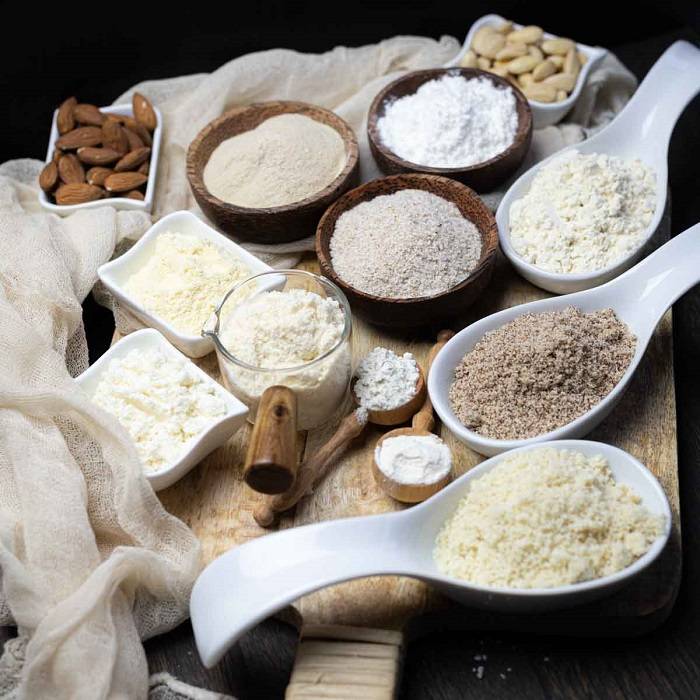
Here are a few keto-friendly recipes that use low-carb flour alternatives to rice flour:
Keto Almond Flour Pancakes
Ingredients:
- 1 cup almond flour
- 2 large eggs
- 1/4 cup unsweetened almond milk
- 1 tablespoon melted coconut oil
- 1 teaspoon vanilla extract
- 1/2 teaspoon baking powder
- Pinch of salt
Instructions:
- In a bowl, whisk together the eggs, almond milk, coconut oil, and vanilla extract.
- In a separate bowl, mix the almond flour, baking powder, and salt.
- Combine the wet and dry ingredients, stirring until smooth.
- Heat a non-stick skillet over medium heat and lightly grease with coconut oil.
- Pour 1/4 cup of batter onto the skillet for each pancake. Cook until bubbles form on the surface, then flip and cook until golden brown.
- Serve with your favorite low-carb toppings.
Keto Coconut Flour Bread
Ingredients:
- 1/2 cup coconut flour
- 6 large eggs
- 1/4 cup melted butter or coconut oil
- 1/2 teaspoon baking powder
- 1/4 teaspoon salt
- 1/4 teaspoon xanthan gum (optional, for better texture)
Instructions:
- Preheat the oven to 350°F (175°C). Grease a loaf pan and line it with parchment paper.
- In a large bowl, whisk together the eggs, melted butter, and salt.
- Add the coconut flour, baking powder, and xanthan gum (if using) to the egg mixture. Stir until well combined.
- Pour the batter into the prepared loaf pan and smooth the top.
- Bake for 30-35 minutes, or until a toothpick inserted into the center comes out clean.
- Let the bread cool before slicing.
Keto Flaxseed Crackers
Ingredients:
- 1 cup flaxseed meal
- 1/2 teaspoon garlic powder
- 1/2 teaspoon onion powder
- 1/2 teaspoon salt
- 1/4 teaspoon black pepper
- 1/2 cup water
Instructions:
- Preheat the oven to 300°F (150°C). Line a baking sheet with parchment paper.
- In a bowl, mix the flaxseed meal, garlic powder, onion powder, salt, and pepper.
- Add the water and stir until a dough forms.
- Spread the dough thinly and evenly on the prepared baking sheet.
- Score the dough into squares using a knife or pizza cutter.
- Bake for 30-35 minutes, or until the crackers are crispy.
- Allow the crackers to cool completely before breaking them apart.
Related Post:
Boston Celtics vs. Dallas Mavericks: Comprehensive Player Stats and Highlights
Dallas Mavericks vs OKC Thunder: In-Depth Player Stats and Match Highlights
Ultimate Showdown: Dallas Mavericks vs. Timberwolves Player Stats Revealed!
While rice flour is not suitable for a keto diet due to its high carbohydrate content, there are plenty of low-carb alternatives that can be used to create delicious and satisfying keto-friendly dishes. Almond flour, coconut flour, flaxseed meal, and other substitutes offer the versatility needed to replace rice flour in your favorite recipes without compromising your ketogenic goals.
By understanding the nutritional impact of rice flour and exploring these alternatives, you can continue to enjoy baked goods, sauces, and other treats while staying on track with your keto diet. Whether you’re new to keto or looking to expand your recipe repertoire, these options provide the perfect solution for maintaining ketosis and enjoying a variety of flavors and textures in your cooking.