

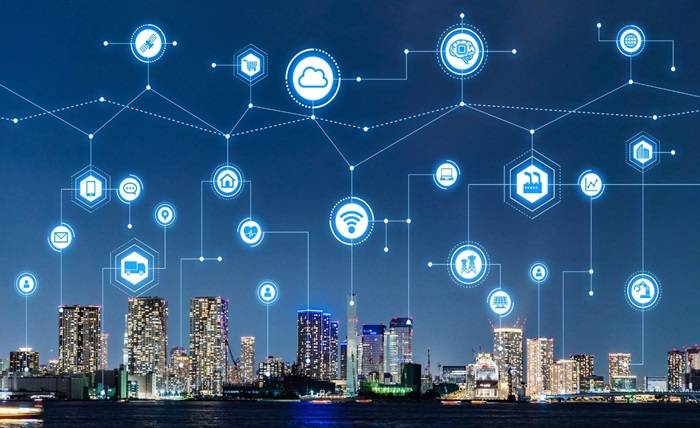
We find ourselves in the midst of a transformative era – the era of smart living and smart city solutions. This is what goes into envisioning a city where digital innovation seamlessly intertwines with every facet of daily life. It further marks a significant departure from conventional urban landscapes, and ushers in a new age of digitally integrated metropolises.
Imagine a realm where the ordinary transforms into the extraordinary, where waste is managed with precision, parking is seamless, and electric vehicles hum in harmony. Seattle can be a great example here – by integrating IoT-based waste technology with a fleet of environmentally conscious vehicles, it marked a paradigm shift in waste management. This forward-thinking approach not only embraces smart waste solutions but extends the commitment to eco-friendly transportation.
This blog will discuss how technology steers waste management toward a cleaner, more efficient tomorrow—covering the realm of smart city technologies and solutions.
3 Main Challenges of Traditional Waste Management
Before delving into innovative solutions, it is imperative to grasp the hurdles confronting traditional waste management systems.
- Strained Infrastructure: The infrastructure of conventional waste management systems struggles under the weight of burgeoning populations. Originally designed for smaller communities, these systems now face overburdened capacities, exacerbating inefficiencies.
- Inefficiency and Resource Waste: The methodologies employed in traditional waste collection often prove inefficient. This often leads to heightened fuel consumption and elevated operational costs. The presence of inadequate waste disposal practices also contribute to the squandering of recyclable and reusable resources.
- Environmental Ramifications: The repercussions of suboptimal waste management leads to expansion of environmental degradation. It often includes air and water pollution, greenhouse gas emissions, and habitat destruction.
Integrating Advanced Technologies for Seamless Urban Waste Solutions
To tackle the challenges posed by traditional waste management systems, there is a need to integrate advanced technologies. This leads to a more sustainable urban waste management ecosystem. This includes –
-
Smart Bin Networks
Sensor-equipped smart bins are the very first thing that comes to mind when we think of smart city technologies and solutions. Some of the fascinating features linked to these bins include – monitoring fill levels in real time and further communicating this information to a central management system. This way, the waste collection teams easily optimize routes and ensure timely pickups.
Singapore’s “Smart Nation” initiative incorporates sensor-equipped smart bins that monitor waste levels in real-time. When bins reach capacity, alerts are sent to waste management teams, optimizing collection routes and reducing unnecessary pickups.
-
IoT-Enabled Waste Monitoring
To take the waste monitoring task to the next level, Internet of Things (IoT) sensors are installed to monitor the fill status. The collected data is transmitted to a centralized platform. This allows for dynamic and data-driven waste collection schedules.
Barcelona has implemented IoT sensors in waste containers to monitor fill levels. By transmitting data to a central management system, they allow for dynamic scheduling of waste collection routes. These smart city iot solutions not only improve efficiency but also minimize fuel consumption.
-
Predictive Analytics for Collection Optimization
To forecast waste generation patterns, predictive analytics utilizes historical data and various factors like events, holidays, etc. By understanding when and where waste will accumulate, cities can optimize collection schedules. According to LinkedIn, predictive analytics can forecast waste generation which further allows for better planning and resource allocation.
-
Waste-to-Energy Conversion
These kinds of plants are linked to converting non-recyclable waste into electricity directly. As a result, it also addresses the challenge of waste reduction and contributes to renewable energy goals. It represents a sustainable approach to waste management. This further aligns with broader environmental objectives. Oslo is also among the most sustainable cities worldwide. Modeshift states that the city uses a lot of renewable energy, like hydro power. This particularly amounts to around 60% of its total energy consumption.
-
Smart Parking
In the crowded urban areas, finding an appropriate parking spot has become a frustrating task. With smart parking solutions leverage technology, this issue can be solved. Plus, the existence of sensors and data analytics help in providing real-time information on parking space availability. This guides drivers to open spots and reduces traffic congestion. A perfect example of innovation and sustainability- Japan Smart Parking Systems. The value of this system is expected to reach USD 998.4 Million by 2032.
-
Safety and Security
To maintain the safety and security in urban environments, there is a need to rely on advanced technologies like surveillance systems, IoT devices, and data analytics. This way, it becomes easy to monitor public spaces and detect potential threats.
Precision Waste Analytics for Smart City Sustainability
Waste analytics is a strong pillar of smart city sustainability. This happens by harnessing the power of data to inform and optimize every aspect of waste management. It includes –
-
Real-Time Monitoring
Sensors in waste bins provide instantaneous data on fill levels, waste types, and disposal patterns, enabling cities to respond swiftly and optimize collection strategies.
-
Data Analytics for Optimization
Advanced data analytics transforms collected waste data into actionable insights, allowing cities to fine-tune collection routes, schedules, and resource allocation for heightened operational efficiency.
-
Predictive Modeling
Waste analytics employs predictive modeling to forecast future waste generation. This is usually based on historical data and external factors.
-
Environmental Impact Assessment
Precision waste analytics includes environmental assessment. It also analyzes factors like carbon emissions, energy consumption, etc.
-
Behavioral Insights
Analyzing waste generation data provides behavioral insights, guiding the design of targeted awareness campaigns, educational initiatives, and incentive programs to encourage responsible waste disposal practices among residents.
Digital Infrastructure Reshaping Waste Management in Futuristic Cities
The vision of a digitally integrated and smart city holds the promise of transforming ordinary aspects of urban life into extraordinary experiences, fostering a cleaner, more efficient, and environmentally conscious tomorrow. In futuristic cities, digital infrastructure like sensors and IoT devices in waste management leads to optimal operational efficiency.
As more and more cities embrace these transformative technologies and smart city solutions, they position themselves at the forefront of a global movement towards responsible and forward-thinking urban waste management practices.