

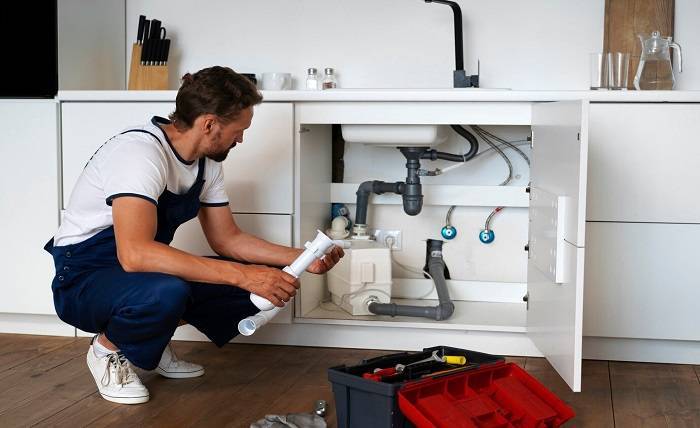
A strata community has many conveniences and unique home maintenance and repair challenges. One area that can cause headaches is plumbing – since pipes and drains are often shared between units, any issues can impact multiple residents quickly. Understanding how plumbing and drainage systems work in an apartment or condo building is critical to promptly fixing problems.
Navigating Shared Plumbing Infrastructure
The plumbing infrastructure in a strata complex is usually divided into three components:
In-Unit Plumbing
This refers to the pipes and fixtures within your unit, such as sinks, toilets, and bathtubs. As the owner or tenant, you are responsible for any maintenance or repairs required on these in-unit systems. This includes clearing clogs, fixing leaks, or replacing worn-out hardware.
Shared Building Pipes
Behind the walls is an intricate network of supply pipes carrying fresh water to each unit and drainage pipes removing wastewater. These pipes serve the entire building community. Strata corporations usually cover repairs to shared pipes through monthly maintenance fees.
Main Water Lines and sewer Connections
The primary underground pipes connecting the building to the municipal water mains and sewer lines also fall under the strata’s jurisdiction. Faulty water meters may also be a shared area responsibility.
Knowing who handles which part of the plumbing system will determine whether you need to call a plumber yourself or file a request through the property manager to get issues fixed.
Preventing Problems in Shared Plumbing
While strata living has efficiency benefits, the interconnected systems also mean that one unit’s plumbing problems can quickly cascade into issues for multiple neighbours. A leaky pipe in the walls can cause water damage across floors, and a flushed toy can jam drainage lines shared by all.
As a resident, you can help prevent some types of issues from arising, including:
Avoid Harsh Chemicals
Drain cleaners and descaling products containing harsh acids or lyes can corrode pipes frequently. Over time, chemical buildup can cause significant pipe damage. Consult your building’s maintenance guidelines or speak to the property manager before using chemical solid products on in-unit plumbing. More mild, enzyme-based drain maintainers are less likely to cause deterioration issues.
Manage Grease Carefully
Pouring fats, oils, and grease down your kitchen sink causes buildup in shared drainage pipes over time. As grease sticks to pipe walls, it catches food particles and other debris, causing clogs. Scrape plates and cookware before washing, collect oil/grease in jars for disposal, and use drain catchers to keep pipes clear. Inform all household members to be careful about kitchen sink use.
Act Fast at the First Sign of Leaks
Dripping or running water likely indicates a leak in your unit’s plumbing system. Catching and repairing minor leaks early is much less costly and disruptive than waiting until pipes burst or flood damage spreads through walls and ceilings, affecting neighbours as well. Pay attention to minor problems before they become major headaches.
Communicating Plumbing Issues Effectively
If you encounter plumbing problems in your unit, communicate details effectively to get repairs handled smoothly:
For in-unit issues: Specify which fixtures or pipes are affected and describe the problems precisely. “The kitchen sink is backed up and slowly draining” or “the showerhead spray seems restricted” provides helpful detail to a plumber.
For suspected shared pipe problems: Note specific signs like “water dripping from hallway ceiling” or “toilet bubbles/gurgles when another unit flushes” to indicate cross-unit systems involved.
Follow strata procedures: Some require in-unit plumbing issues to be reported to property management immediately if they stem from common infrastructure faults unseen behind walls. Make maintenance requests in writing via designated channels.
With open communication and attentive preventive care, strata residents can keep community plumbing running optimally for everyone’s benefit. Paying attention to pipe problems promptly preserves property values community-wide. Understanding infrastructure links between units encourages residents to use shared building systems considerately at all times.
Conclusion:
Living in close quarters with shared infrastructure systems poses unique challenges when home repairs are required. However, strata residents can minimize headaches by understanding where responsibility lies for in-unit, building-wide, and municipal plumbing systems. Taking preventive measures against damage, acting quickly when leaks occur, and communicating issues effectively to property managers or plumbers will allow a smooth response. Being thoughtful about using sinks and drains will also help decrease collective maintenance costs over time. With a coordinated effort, residents can keep community pipes flowing properly and attend promptly to any repairs needed. Taking a proactive approach and getting problems addressed early is critical to making strata living plumbing management run more smoothly. Understanding typical strata plumbing in Sydney cost estimates can also help boards budget appropriately for routine maintenance and unexpected repairs when needed.