

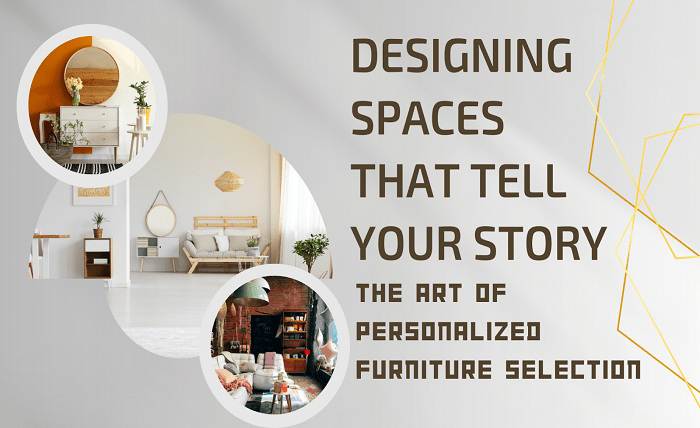
Your choice of furniture and decor for your home speaks volumes about your personality. Choosing pieces that match your style and personality helps create spaces that feel like you. Whether you like things modern, classic, cozy, or funky, your furniture finds can tell your story.
Understanding Your Style
Before starting furniture shopping, take some time to think about your preferences. Examine pictures of rooms you love and identify common elements. What colors, textures, shapes, and layouts appeal to you most?
Make note of the styles you tend to gravitate toward in clothing and other things you use every day too. Paying attention to these preferences helps guide your future furniture choices.
Think about what periods, cultures, or places inspire you. For example, you may be into the simple, uncluttered look of Scandinavian or Japanese style. Alternatively, you might prefer industrial vibes featuring metal and reclaimed wood. Defining these influences helps decide the tale you want your home to tell.
Also, consider your lifestyle and how you’ll use the space. Do you hang out with friends a lot and need seating to get together? Or is alone time important for school work or hobbies? Do you have younger siblings or pets that could be rough on furniture? Making sure pieces fit your lifestyle will keep you comfortable.
How Furniture Tells Your Story
The furnishings and decorative objects we surround ourselves with give clues about our personality and interests, often in subtle ways. Someone who prefers antique-looking or formal furniture probably values tradition and heritage. While those drawn to spare, modern pieces likely appreciate simplicity and clean lines. Handcrafted or custom-made items show creativity and individuality.
If you’re outdoorsy, natural materials like wood or stone and organic shapes make a cozy but nature-inspired statement. Bookshelves stacked with novels and comfy reading nooks tell the story of a bookworm.
Personal collections displayed on shelves or in cabinets add your chapter of memories. Small things like throw pillows, rugs, and wall art add to the overall style narrative too through color, texture, and mood. It’s about making decorative touches feel cohesive.
Finding Pieces You Can Live With
In the U.S., if you live in cities like Texas when shopping for furniture, especially in a bustling city like Houston, it’s essential to strike the right balance between style and functionality. Your sofa or lounge chairs, for example, should not only be visually appealing but also offer exceptional comfort, creating inviting spaces for relaxation and socializing. If you’re dealing with back issues, seeking expert advice from furniture stores in Houston can help you choose mattresses that provide a restful night’s sleep, contributing to your overall well-being. When it comes to desks meant for studying or working, ensure they have ample surface area and effective storage solutions by consulting professionals at furniture stores in Houston. This way, you can find pieces perfectly combining style and practicality to suit your needs.
For high-traffic areas, durable options are best. Denim and leather can take more wear and tear than delicate fabrics like linen or velvet. Spaces shared with kids or pets need stain-resistant, easy-to-clean materials. The good news is they make stylish furniture now built to stand up to real life. Read reviews to find pieces that combine both form and function.
Adding Special Pieces
For a personalized touch, seek out one-of-a-kind new or vintage discoveries. Support independent artists and craftspeople skilled in unique materials like concrete, metal, and reclaimed wood by commissioning custom pieces.
Searching flea markets, antique shops and second-hand stores uncovers charming vintage finds with history. Refinishing or reupholstering dated gems gives them new life.
Alternatively, personalize mass-manufactured furniture to make it your own. Think made-to-order upholstery in your favorite patterns and fabrics. Even fitted shelving or storage built exactly for your space adds character.
Choosing Colors and Materials
In addition to furniture shapes and styles, the finishes and fabrics you select help define the overall look and feel.
Soft neutral colors like light grays or beiges generally create a calming vibe, while bold brights are energizing. Textures like nubby wool or supple leather add warmth. But sleek glass, metal, and stone read more contemporary.
What feeling do you want the space to have? Cherry yellows encourage conversation while serene blues make a relaxing retreat. Natural, worn finishes give off an organic, casual feel. But elegant velvets and glossy finishes feel more formal. Make sure colors and textures all tie together in a way that supports the style you’re going for. Mismatched or random materials can make the room feel messy.
Mixing Old and New Pieces
When furnishing your space, you’ll probably want to blend some existing furniture you love with new items too. Finding a balance between older stuff you’re attached to and new pieces prevents a disjointed look.
First figure out what you want to keep by deciding if it goes with your current style. Refinish or reupholster usable pieces that need some TLC to freshen them up.
When selecting new additions, look for complementary shapes, lines, and materials to tie it all together. Repeat fabric colors in pillows, rugs, and other textiles. Use matching sets like nightstands and lamps to connect. Mixing old and new with purpose achieves a collected, evolved look.
Where You Place Pieces Matters
The arrangement of your furnishings directly impacts how you’ll live in and move through the space. Position items thoughtfully to accommodate your intended activities and interactions.
In open-concept homes, use furniture grouping to define separate hangout zones. Floating chairs and sofas could make up one living area, while a dining table and bench seating create an eat-in section.
Make sure primary seating faces towards focal points like the TV or fireplace. Leave enough open walkways for easy movement from one area to the next. Beds look best centered on wall units with room for nightstands on both sides. Desks should be placed near windows and power outlets. Thoughtfully mapping pieces marries functionality with your style vision.
Solving Common Furniture Problems
Decorating your personalized retreat may come with a few typical challenges. Here are some tips for overcoming common furniture-hunt issues:
Limited Budget
- Focus on flexible pieces that serve multiple needs, such as storage ottomans with lift-tops or tables with drop leaves.
- Check second-hand stores and websites for quality discounted pieces.
- Opt for fewer higher-quality items over a larger quantity of cheaper options.
- Use slipcovers to refresh sofas or chairs for less than reupholstering.
Small Space
- Look for compact but functional pieces like nesting tables, futons, and storage beds to maximize every inch.
- Seek customizable options like modular sectionals or wall beds that fit your exact room size.
- Only keep the bare essential, functional furnishings – get creative and multitask!
Different Style Preferences at Home
- Compromise by each picking signature pieces for shared rooms that represent your tastes. Add in some neutral furnishings you both like.
- Create specific “zones” showcasing personal styles, like separate lounges or offices.
- Use inexpensive accessories like art, pillows, and throws to change up the mood and style in a shared space.
The Final Chapter
Choosing furnishings for your space is a chance to write your own style story. Surround yourself with pieces that make you feel comfortable and happy. Stay true to your tastes rather than just following temporary trends.
Take the time to explore and uncover options that speak to you. Curate special selections that express your unique spirit. Thoughtfully arrange your collected finds to create a personal haven. Then sit back and enjoy the space you’ve created just for you.
What will your home say about you? Have fun designing an environment that tells your one-of-a-kind story!
FAQs
1. How can I pick furniture that shows my personality but still looks modern?
Focus first on pieces that truly match your style. Then look for on-trend silhouettes or finishes like mid-century shapes, curved organic lines, or your favorite color patterns.
2. Can different furniture styles work together in one room?
Yes! The key is maintaining visual unity through colors, textures, layouts, or decorative details. Having a clear personal theme or collection tying the variety together also helps.
What’s the best way to choose furniture for a small space without sacrificing style?
Look for compact but functional pieces with clean lines, neutral colors, and multi-purpose design. Customized storage and convertible furnishings maximize every inch. Only keep essentials and eliminate clutter.