

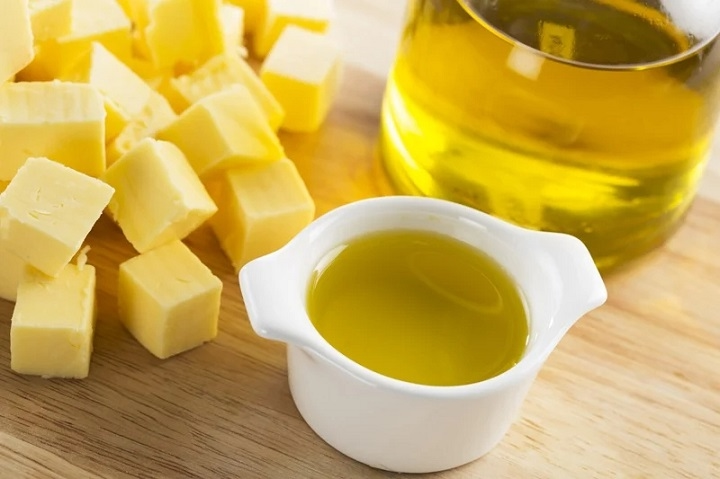
Cooking and baking often require choosing between oil and butter as fat sources. Whether you’re out of oil, prefer the taste of butter, or want a different texture in your dish, converting oil to butter correctly ensures the best results. If a recipe calls for 1/3 cup of oil, you might be wondering how much butter to use as a substitute.
In this guide, we’ll explore the proper conversion of oil to butter, how it affects texture and flavor, and tips for making the perfect swap.
How Much Butter Equals 1/3 Cup of Oil?
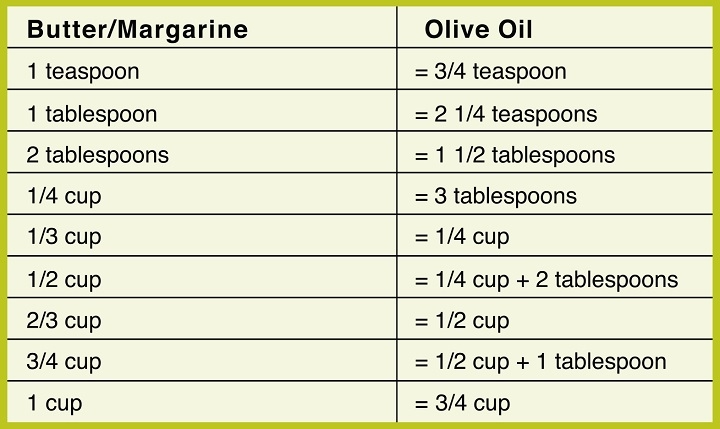
Butter and oil are both fats, but they have different compositions. Butter contains water (about 15-20%), while oil is 100% fat. Because of this, a direct one-to-one substitution can sometimes alter the final texture of a dish.
The general conversion ratio is:
- 1/3 cup oil = 1/2 cup butter
Since butter has water content, using slightly more than the amount of oil ensures enough fat remains in the recipe.
Why Convert Oil to Butter?
Switching from oil to butter changes the texture, flavor, and moisture of a recipe. Here’s how:
Texture Differences
- Butter creates a richer, softer texture in baked goods.
- Oil makes cakes and muffins more moist and light.
- Cookies made with butter tend to spread more, while oil-based cookies stay chewier.
Flavor Differences
- Butter adds a rich, creamy taste.
- Oil is neutral and mild, allowing other ingredients to shine.
- In recipes where butter’s flavor matters (like cookies and pie crusts), butter is a better choice.
Moisture Content
- Oil keeps baked goods moist longer than butter.
- Butter-based recipes may dry out faster if not stored properly.
Best Recipes for Oil-to-Butter Substitution
Some recipes work better when replacing oil with butter, while others might require adjustments.
Best Recipes for Butter Substitution
- Cookies – Butter adds richness and a softer texture.
- Pie Crusts – Butter makes them flaky and flavorful.
- Brownies – Using butter makes them denser and richer.
Recipes Where Oil Works Better
- Cakes and Muffins – Oil keeps them extra moist.
- Quick Breads – Oil prevents dryness over time.
- Frying – Butter burns quickly due to its milk solids.
How to Replace Oil with Butter in Different Cooking Methods
The substitution works differently depending on whether you’re baking, frying, or sautéing.
Baking (Cakes, Cookies, Muffins, Brownies)
- Replace 1/3 cup oil with 1/2 cup melted butter.
- Expect richer, denser baked goods.
- Butter gives a slightly shorter shelf life than oil.
Frying (Stir-fry, Sautéing, Pan-frying)
- Butter burns faster than oil, so use it on low to medium heat.
- If frying at high heat, use clarified butter (ghee) to prevent burning.
- Butter adds extra flavor to vegetables, eggs, and meats.
Salad Dressings and Marinades
- Butter does not work well in salad dressings. Stick to oil.
- If needed, use melted butter for marinades, but it may solidify.
Adjusting for Moisture and Texture Differences
Since butter has water content, a direct swap may sometimes require minor tweaks to your recipe.
- If your batter looks too thick, add one extra tablespoon of liquid (milk or water).
- If your dish lacks moisture, store it properly to prevent drying out.
- When replacing oil with butter in bread or muffin recipes, reduce baking time by a few minutes to avoid overbaking.
Oil-to-Butter Conversion Chart
| Oil (Cups) | Butter (Cups) | Butter (Tablespoons) |
| 1/4 cup | 1/3 cup | 5 1/3 tbsp |
| 1/3 cup | 1/2 cup | 8 tbsp |
| 1/2 cup | 2/3 cup | 10 2/3 tbsp |
| 3/4 cup | 1 cup | 16 tbsp |
| 1 cup | 1 1/4 cup | 20 tbsp |
Use this chart for quick conversions when replacing oil with butter in different recipes.
FAQs
Can I replace oil with butter in all recipes?
Not all recipes work well with a butter substitution. Cakes, cookies, and brownies work great, but for frying and salad dressings, oil is usually better.
Why does butter make baked goods denser?
Butter contains water, which affects gluten formation and structure, making baked goods denser compared to oil.
Should I use salted or unsalted butter when replacing oil?
Use unsalted butter to control salt levels in the recipe. If using salted butter, reduce added salt slightly.
Does using butter instead of oil change the cooking time?
Yes, butter has more water content, which can increase browning and shorten baking time slightly. Reduce baking time by 2-3 minutes for best results.
Can I use butter instead of oil for frying?
Yes, but use low to medium heat to prevent burning. For high-heat cooking, use clarified butter or ghee.
Replacing 1/3 cup of oil with 1/2 cup of butter can enhance the flavor and texture of your dishes. Whether you’re baking cookies, making a pie crust, or sautéing vegetables, butter adds richness that oil lacks. However, oil is still the best choice for keeping cakes moist and for high-heat cooking.
By understanding how butter and oil function differently, you can make the right choice for each recipe. Use this guide to confidently swap oil for butter and enjoy better-tasting results in your cooking and baking.