

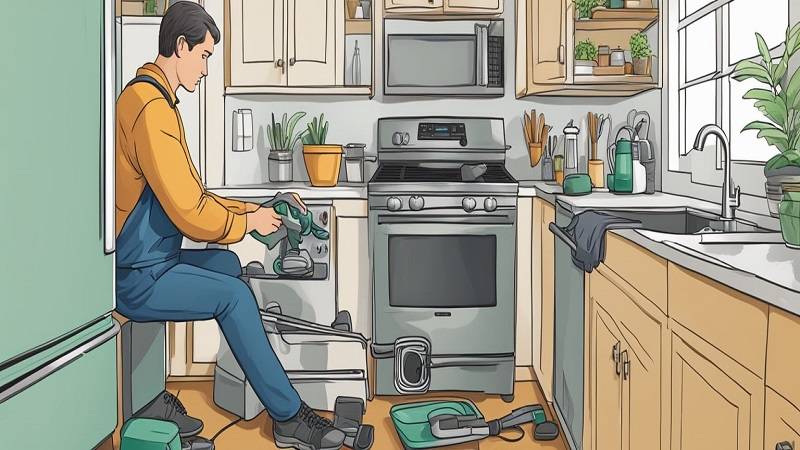
Maintaining appliances in Seattle requires attention to detail and regular care. The city’s unique climate, with its frequent rainfall and moderate temperatures, can impact how appliances function and wear over time.
The best way to maintain appliances in Seattle is through consistent cleaning, proper usage, and timely professional servicing. Regular cleaning prevents buildup of dust, mold, and other debris that can affect performance. Using appliances correctly, as per manufacturer instructions, extends their lifespan.
Scheduling annual maintenance checks with qualified technicians helps catch potential issues early. This proactive approach saves money on repairs and replacements in the long run. Seattle residents can also benefit from using dehumidifiers to control moisture levels, protecting appliances from excess humidity damage.
Understanding Appliance Maintenance
Regular maintenance is crucial for keeping appliances running efficiently and extending their lifespan. Proper care can prevent costly repairs and unexpected breakdowns.
Identifying Common Maintenance Needs
Refrigerators often need their coils cleaned to maintain cooling efficiency. Check and clean the condenser coils every 6-12 months. Dishwashers require periodic cleaning of filters and spray arms to prevent clogs.
Washing machines benefit from regular checks of hoses and connections to avoid leaks. Clean the lint filter in dryers after each use to maintain performance and reduce fire risks.
Ovens and stovetops should be cleaned regularly to prevent buildup that can affect cooking quality. Check seals on oven doors to ensure proper heat retention.
Preventive Measures for Longevity
Read and follow manufacturer guidelines for each appliance. This includes using recommended cleaning products and adhering to usage instructions.
Schedule professional inspections annually for complex appliances like HVAC systems. These check-ups can catch potential issues early.
Use appliances as intended to avoid unnecessary wear and tear. Overloading washing machines or dishwashers can lead to premature breakdowns.
Keep appliances clean inside and out. Wipe down surfaces regularly and address spills promptly to prevent staining or corrosion.
Replace filters as recommended. This applies to refrigerators, air conditioners, and other appliances with filtration systems.
Specific Appliance Care Tips
Proper maintenance of appliances extends their lifespan and ensures optimal performance. Regular cleaning and upkeep can prevent costly repairs and replacements.
Care for Dishwashers
Clean the dishwasher filter monthly to remove food particles and debris. This simple step improves water flow and cleaning efficiency.
Run an empty cycle with vinegar every few months to eliminate odors and mineral buildup. Place a cup of white vinegar on the top rack and run a hot water cycle.
Check and clean the spray arms regularly. Remove any clogs in the holes to ensure proper water distribution during wash cycles.
Use the right amount of detergent to prevent residue buildup. Too much soap can leave a film on dishes and the machine’s interior.
Maintaining Kitchen Appliances
Clean stovetop burners and drip pans regularly to prevent grease buildup. Soak removable parts in warm, soapy water for easier cleaning.
Descale coffee makers every three months using a vinegar solution. This removes mineral deposits and improves brew quality.
Clean microwave interiors weekly with a damp cloth. For tough stains, heat a bowl of water and lemon juice to loosen grime.
Sharpen and oil garbage disposal blades by grinding ice cubes and rock salt. This helps maintain cutting efficiency and prevents odors, similar to how proper care of bizerba slicer parts ensures long-lasting performance.
Refrigerator and Freezer Upkeep
Clean refrigerator coils twice a year to improve energy efficiency. Use a coil brush or vacuum to remove dust and debris.
Check and replace door seals if they’re worn or damaged. Tight seals maintain proper temperature and reduce energy consumption.
Defrost manual-defrost freezers when ice buildup exceeds 1/4 inch. This ensures optimal freezing capacity and energy efficiency.
Set the right temperature: 37-40°F for the refrigerator and 0°F for the freezer. Use a thermometer to verify and adjust as needed.
Clean spills immediately to prevent stains and odors. Use a mixture of baking soda and water for tough stains without harsh chemicals.