

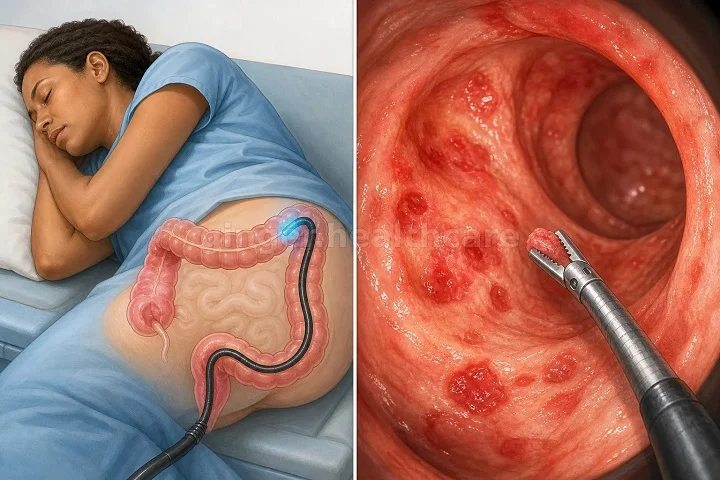
Crohn’s disease is a chronic disease. It causes inflammation of the digestive tract.
It is one of the types of inflammatory bowel disease (IBD).
It can affect any part of the digestive tract. But it is commonly found in the final section of the small intestine and initial section of the colon.
What is Crohn’s Disease?
Crohn’s disease is an ongoing inflammatory disease.
Can cause swelling and irritation of the digestive tract.
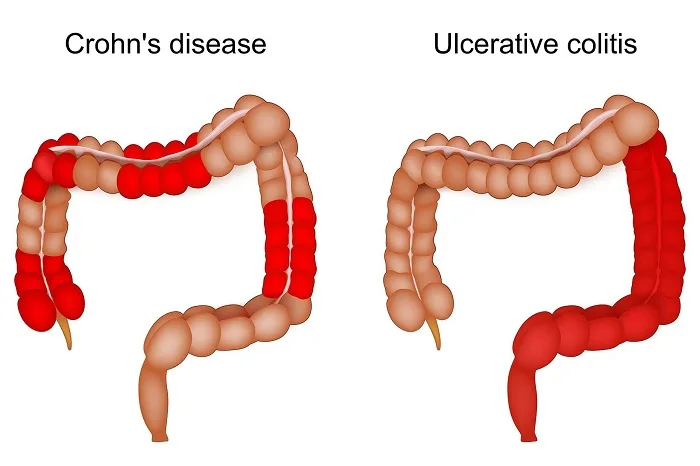
The inflammation can be more penetrating in the bowel wall and it can be in various areas of the bowel or in a continuous segment.
They can be either continuous or intermittent.
Active periods of symptoms may be called ‘flares’ and inactive periods ‘remissions’.
What are the signs that you may be suffering from Crohn’s disease?
The symptoms may be mild or severe.
Common symptoms include:
- Abdominal pain
- Diarrhea
- Fatigue
- Weight loss
- Reduced appetite
- Fever
- Presence of blood in the stool; occurrence of blood in stool
- Mouth sores
There is also a possibility of pain around the anus and drainage from a fistula.
So, What is the Cause of Crohn’s Disease?
The cause is not yet completely understood.
Crohn’s disease is probably caused by a combination of the following:
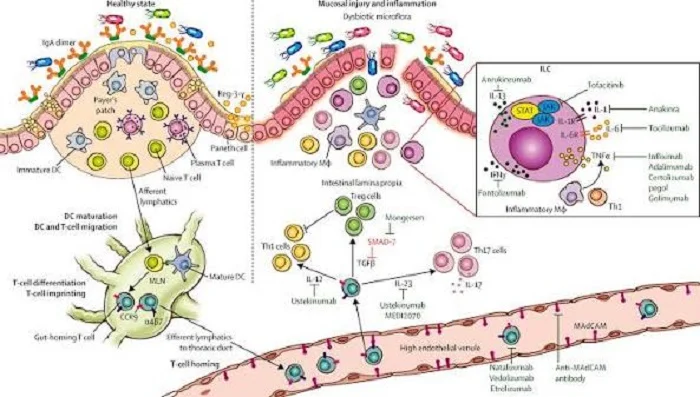
- Immune system activity
- Genetics
- Environmental factors
- Changes in gut microbiome
It’s not caused just by consuming particular foods.
But, certain foods can aggravate symptoms during a flare-up.
Crohn’s Disease – is it an Autoimmune Condition?
Crohn’s is a condition of the immune system.
The immune system seems to react in a manner which leads to chronic inflammation of the digestive tract.
It is believed to be a disease of the immune system.
Who is at risk for Crohn’s?
Anyone can get Crohn’s, no matter their age.
It usually strikes teenagers or young adults, but may occur in older people.
This risk is greater if:
- Has a family member who is close who suffers from Crohn’s disease
- You smoke
- You have some genetic risk factors
Smoking cigarettes also has been shown to raise the odds of developing Crohn’s disease and is associated with the severity of the disease.
What part of their body is Crohn’s disease attacking?
Crohn’s disease occurs anywhere in the digestive system from mouth to anus.
Common areas include:
- Small intestine
- Colon
- Where small and large intestine connect
While ulcerative colitis causes inflammation only in the colon, Crohn’s disease can cause inflammation in different sections with healthy tissue in between.
Diagnosis of Crohn’s Disease
There are no standard tests for each case.
Doctors may use:
- Medical history
- Physical examination
- Blood tests
- Stool tests
- Colonoscopy
- Endoscopy
- CT scan
- MRI
At the time of a colonoscopy, your doctor can inspect the lining of your colon and take very small tissue samples to test.
What can be detected in a blood test?
Blood tests may be helpful in making a diagnosis of:
- Anemia
- Signs of inflammation
- Infection
- Nutritional problems
Eating Habits: Blood tests can provide some useful information, but not enough to confirm Crohn’s.
What is the treatment for Crohn’s Disease?
Treatment is directed at getting rid of inflammation, symptom control and prevention of complications.
Medicines may include:
- Corticosteroids
- Immunomodulators
- Biologic medicines
- Other anti-inflammatory treatments
The severity and location will dictate treatment of the disease.
Are there any benefits from a diet in the treatment of Crohn’s Disease?
There is no cure for it. Eating certain foods may help to control symptoms.
Some individuals may find some foods more difficult to tolerate.
Depending on symptoms and nutritional needs, the doctor may recommend any changes in the diet.
Do not do very strict diets unless by a health care provider.
Actually, surgery is not necessary with Crohn’s Disease
Sometimes.
If complications arise or if the disease is not controlled by medicines, surgery might be required.
In some cases surgery may be required for the following reasons:
- Bowel obstruction
- Fistula
- Abscess
- Severe bleeding
- Damage to the inside of the gut wall.Injuries (wounds) of the inside of the bowel.
Surgery may be used to treat certain complications, although Crohn’s disease cannot be cured forever as inflammation may occur in other parts of the body.
What problems could arise from having Crohn’s?
Possible complications include:
- Intestinal blockage
- Fistulas
- Abscesses
- Anal fissures
- Malnutrition
- Anemia
- There are several risk factors for certain types of bowel cancer.
Crohn’s disease may also manifest itself in other parts of the body.
There are some people who have issues with the:
- Joints
- Skin
- Eyes
- Liver
Also Read: All You Can Eat Sushi: How It Works, Prices, Rules and Tips
Can Crohn’s Disease be passed on?
No.
Crohn’s disease cannot spread from one person to another.
Does not result from a contagious infection.
Is There A Cure For Crohn’s Disease?
There is no long-term treatment.
But treatment can normally manage inflammation. It can make it possible for people to remain in remission for lengthy durations.
It is important to follow up with regular medical visits.
When to Call a Doctor?
If you still have digestive symptoms, you should consult a health care provider, such as:
- Persistent diarrhea
- Recurrent abdominal pain
- Unexplained weight loss
- Stool with blood, feces look dark gray or black and tarry.
- Persistent fever
- Significant fatigue
Seek immediate medical attention for abdominal pain, heavy bleeding, vomiting or signs of dehydration.
It is a chronic inflammatory bowel condition. It may involve various sections of the gastrointestinal system.
There is no cure for it. But its symptoms can be controlled using medication, diet and, in some cases, surgery, and complications can be avoided.
FAQs
Is it possible to catch Crohn’ s disease?
No. Crohn’s is not infectious.
Which doctor treats Crohn’s?
A gastroenterologist is usually the specialist who comes to the diagnosis and management of Crohn’s.