

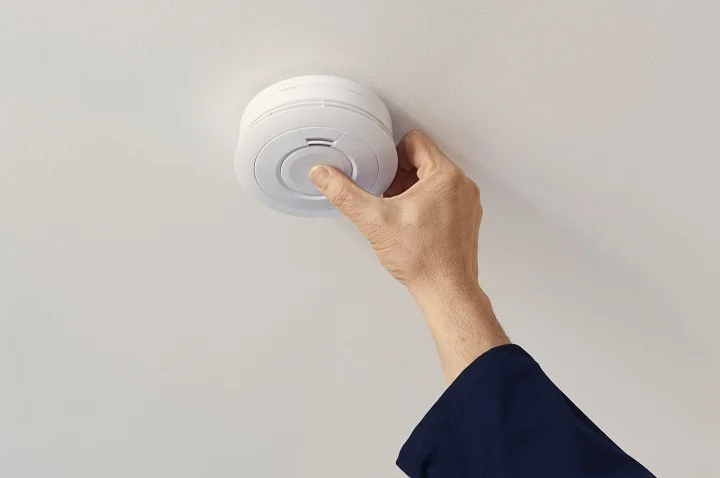
Smoke detectors are an important part of home safety.
Can alert you to smoke or fire before you see it.
Regular testing can ensure that they function correctly.
Put the smoke alarms to the test once a month
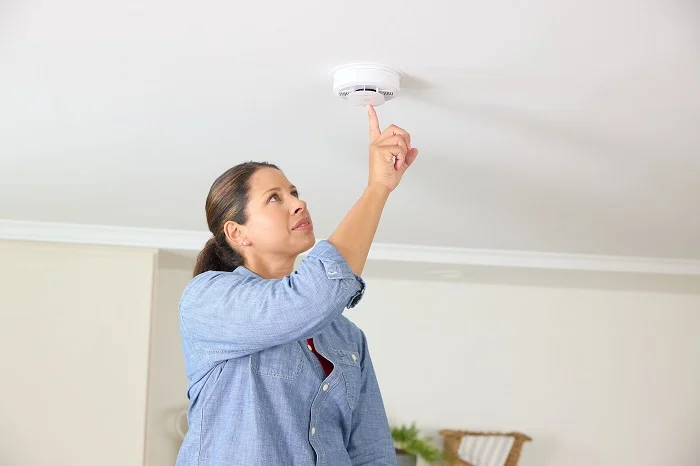
There is usually a test button on the front or side of most smoke detectors.
To test one:
- Notify all the home occupants that you are testing the alarm.
- Use a stable ladder (or step stool) if necessary.
- Hold down the test button.
- Wait for the alarm to be sounded.
- When you hear the alarm, press the button again.
A working smoke detector should make a loud sound.
If it doesn’t, the battery or detector could need something.
How Many Times a Year Should Smoke Detectors Be Tested?
Test smoke alarms at least once a month.
They should be tested again after:
- Replacing a battery
- Adding an alarm to your building
- Moving into a new home
- After a prolonged absence
- All events that could have affected the detector.
Ongoing testing may facilitate the detection of issues early.
What Does the Test Button Check?
The test button tests key components of the alarm such as:
- Power supply
- Internal electronics
- Alarm sound
But pressing the button might not fully simulate the response of the sensor to real smoke.
When should you use smoke or fire to test it?
No.
Do not use:
- Matches
- Candles
- Burning paper
- Other open flames
These techniques can cause a fire hazard and can damage the alarm.
Click the Test button that’s provided.
If a manufacturer requires the use of a special detector-testing spray, be sure to use it according to the manufacturer’s directions.
What If the Smoke Detector is NOT sounding?
If the detector doesn’t sound:
- Check the battery
- Replace the battery if necessary
- Ensure that the battery is properly mounted.
- Verify the power supply.Test the power supply.
- Take away dust or soil.
- Check alarm test,
If this is still not the case, replace the detector.
Avoid relying on an alarm that has failed a test.
Testing a Battery Powered Smoke Detector
If it’s battery-powered, you can use the following formula:
- Hold down the test button.
- Pay attention to the sound of the alarm.
- If no sound is heard, change the battery (3).
- Test it again.
If the new battery doesn’t correct the issue, then replace the detector.
Testing a Hardwired Smoke Detector:
Hardwired detectors are electrically connected and frequently are equipped with back-up batteries.
To test one:
- Hold down the test button.
- Be sure to hear the alarm.
- See if other interconnected alarms are activated.
- (Re)Test and/or replace backup battery as appropriate.
If the detector is still not functioning even after being powered on, refer to the manufacturer’s guidelines or call a certified electrician.
What does a “chirping” smoke detector indicate?
The smoke detector can chirp due to:
- Low battery
- Incorrectly installed battery
- Dust or debris
- Power interruption
- The end of the detector’s service life, which refers to the detector’s useful life.
- Change in temperature or humidity
Each alarm has its own chirp code; refer to the manufacturer’s instructions.
When to Change the Battery?
Change removable batteries when the alarm beeps when the battery is low.
Some smoke alarms use sealed batteries that will last the life of the smoke alarm.
With these models, the whole detector is usually replaced when it reaches the end of its service life.
Smoke Detectors have a lifespan of 10 years
Smoke alarms have an average lifespan of 10 years.
Check the manufacture date on the alarm.
Replace the detector if it:
- Is too old
- Is damaged
- Fails a test
- Battery cannot be replaced
Always use manufacturer’s replacement instructions.
Here are some tips on cleaning a smoke detector
Some smoke detectors can be affected by dust.
To clean one:
- Follow all the manufacturer’s instructions
- Gently vacuum around the vents
- If recommended use a soft brush
- Do not spray cleaners directly into the alarm
- Do not paint the detector
Test the alarm following cleaning.
Where to Place Smoke Detectors?
Specific requirements are dependent upon local fire and building codes.
In general, smoke alarms are recommended:
- Inside sleeping rooms
- Outside sleeping areas
- At all the levels of the house
- In basements
Respect all local regulations and installation instructions!
Interconnected smoke detectors work by connecting one to the other
Interconnected alarms – alarms send information to each other.
If any one detector picks up smoke, all of the other ones will sound.
Even connected alarms can go into alarm during testing.
This helps to verify correct communication in the system.
May I test a Smart Smoke Detector?
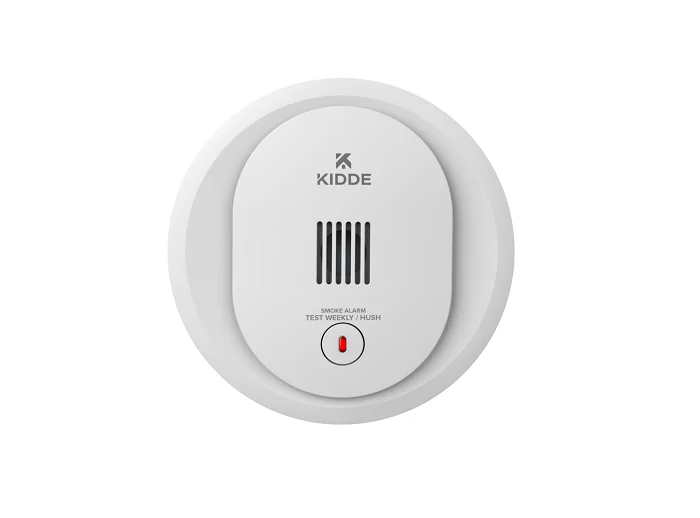
Yes.
There are a number of advantages that smart detectors can provide:
- A test button that is physically installed.
- App-based testing
- Battery status
- Sensor status
- Connection information
- Replacement reminders
Use only the manufacturer’s instructions; If the manufacturer recommends physical testing, follow the instructions along with the app.
Also Read: When Do Babies Start Crawling? Typical Age, Signs and What to Expect
Here are some tips on safety when testing
When testing smoke detectors:
- Alert those living in the house before others.
- Avoid standing directly under the alarm
- If using a ladder, use a stable ladder.
- Don’t use an open flame
- Replace defective alarms
- Ensure that the detectors are kept clear of dust and paint.
Smoke detector testing is a no-brainer when it comes to home safety.
Test each detector monthly by pressing and holding the test button until the alarm is sounded.
If an alarm fails, check the battery, power source and condition of the unit.
Change out smoke alarms which are damaged, outdated or faulty.
FAQs
When should I test my smoke alarm?
Test smoke detectors at least once a month.
How to test smoke detectors?
Hold down the test button. The alarm should go off loud if the detector is working.