

Modern hearing technology has taken incredible strides in recent years—not just in performance, but in design. Today, people living with hearing loss no longer have to choose between function and appearance. Enter invisible hearing aids: ultra-discreet devices designed to offer clear, amplified sound without being seen. But are they the right solution for your hearing needs? In this guide, we’ll break down what makes these devices unique, who they work best for, and what to consider before making the investment.
What Makes Hearing Aids “Invisible”?
The term “invisible” may sound like marketing hyperbole, but in this case, it’s remarkably accurate. These hearing aids are custom-moulded to fit deeply into the ear canal, making them nearly undetectable when worn. Most models fall into categories like Invisible-In-Canal (IIC) or Completely-In-Canal (CIC), both of which are engineered to stay hidden while still delivering high-quality sound amplification.
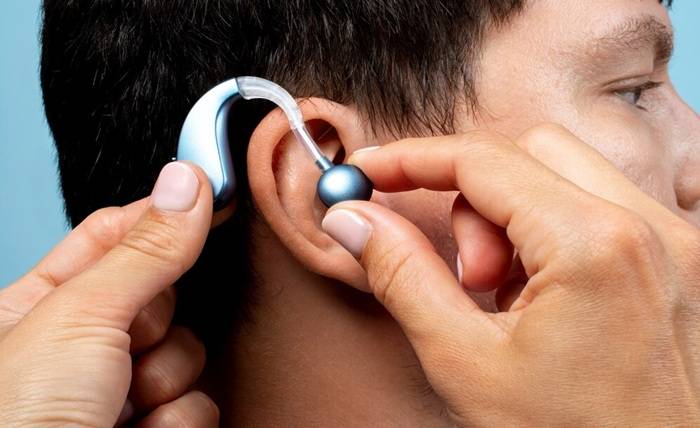
Unlike traditional Behind-the-Ear (BTE) models, invisible aids are compact, flesh-toned, and snugly placed within the ear canal. They don’t require external tubes or wires, making them particularly appealing to those who value discretion.
Who Can Benefit Most from This Style?
While invisible hearing aids are an attractive option for many, they’re not ideal for everyone. These devices are best suited for individuals with mild to moderate hearing loss. Because of their small size, they typically have fewer onboard features and less power than their larger counterparts, making them less effective for those with severe hearing impairments.
Younger adults and professionals often gravitate toward this style because of the cosmetic advantages. For people concerned about stigma or appearance, the nearly invisible design can remove the psychological barrier that often comes with wearing traditional devices.
Comfort and Fit: What You Should Know
One of the biggest concerns for new users is comfort. Since these hearing aids sit deep within the ear canal, a proper fit is crucial. Each device is custom-moulded using impressions of your ear canal, which greatly enhances both comfort and effectiveness.
That said, users with unusually narrow or sharply curved ear canals may find the insertion process uncomfortable. It’s important to undergo a thorough ear exam to determine if you’re a good candidate before moving forward with a fitting.
Are Invisible Hearing Aids Easy to Use?
Invisible hearing aids are generally straightforward to use once fitted, but they often require more finesse in daily handling. Their tiny size makes them less suitable for people with dexterity issues or visual impairments. Tasks like battery replacement or cleaning can be more challenging than with larger models.
However, many newer models offer automated sound adjustment features, minimizing the need for frequent manual tuning. Some even come with smartphone connectivity for app-based control, adding a layer of convenience for tech-savvy users.
Maintenance and Longevity
Because they’re placed deeper in the ear, invisible devices are more exposed to moisture and earwax. Regular cleaning and proper storage are essential to keep them functioning optimally. Users may need to replace wax guards and filters more frequently compared to traditional models.
Despite the maintenance demands, their build quality is generally high. With good care, these devices can last several years before requiring replacement. Regular check-ins with an audiologist will help ensure performance stays consistent over time.
The Cost Factor
It’s no secret that invisible hearing aids come at a premium. Their advanced miniaturization, custom fit, and aesthetic appeal often translate into higher upfront costs. Prices vary depending on the brand, features, and provider, but it’s wise to budget anywhere between $2,000 to $4,000 per device.
While the investment may seem steep, many find the balance of comfort, sound clarity, and discretion well worth it. Be sure to ask about trial periods, warranties, and whether your health benefits or insurance provider offers partial coverage.
Lifestyle Considerations
Invisible hearing aids are well-suited for people with active lifestyles. Since they sit entirely within the ear, there’s less risk of interference with glasses, masks, or headgear. They’re also less likely to get dislodged during physical activity, making them popular among runners, gym-goers, and outdoor enthusiasts.
However, swimming and heavy perspiration can pose challenges, especially in humid conditions. If water exposure is a frequent concern, you may want to explore water-resistant models or alternative styles better suited for those environments.
What to Expect During a Fitting and Trial
Fitting invisible hearing aids is a multi-step process. It typically starts with a comprehensive hearing assessment followed by a physical impression of your ear canals. This ensures a precise fit and optimal sound delivery.
Once the aids are manufactured, you’ll return for a fitting session where the audiologist will adjust them to your specific hearing profile. A follow-up period allows you to test them in real-world settings. If adjustments are needed, they’re made based on your feedback during this phase.
Some clinics offer risk-free trial periods to help you evaluate the comfort, sound quality, and usability of the device before committing. Take advantage of these opportunities to assess whether invisible hearing aids truly align with your lifestyle.
In the early stages of your search, it’s worth exploring invisible hearing aids from trusted local providers who can guide you through the fitting and selection process.
Final Thoughts: Are They Right for You?
Invisible hearing aids offer an impressive blend of discretion, clarity, and convenience—but they’re not a one-size-fits-all solution. If you value a subtle design and have mild to moderate hearing loss, they may be a perfect match. Still, they require a willingness to maintain them diligently and handle them carefully due to their delicate size.
Ultimately, choosing a hearing aid should be guided by both your hearing needs and your lifestyle. A consultation with a certified hearing specialist can help clarify whether invisible models align with your priorities. With the right fit, today’s invisible technology could make a noticeable difference in how you hear the world—without anyone noticing a thing.