

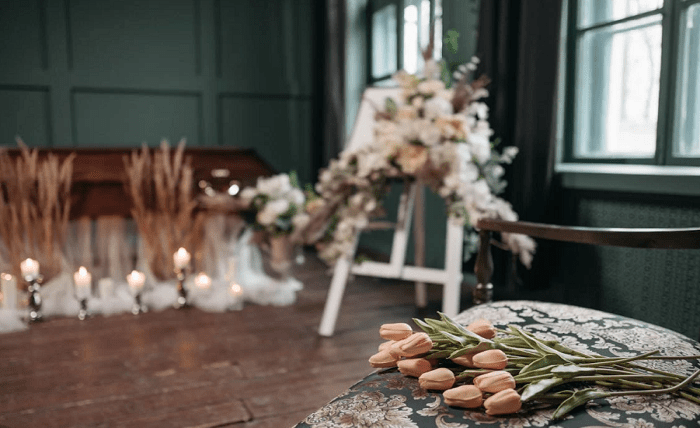
The passing of a loved one is an experience that brings an overwhelming sense of grief and loss. In these challenging times, gestures of compassion and support are invaluable. Among the most enduring symbols of sympathy and care are flowers, which have been used for centuries to express condolences and offer comfort. The role of sympathy flowers in the healing process is profound, providing solace to the bereaved and fostering a connection between grieving people and those offering support. Whether it’s a carefully chosen sympathy flower arrangement or a simple bouquet, these floral tributes play a crucial role in emotional healing.
A Gesture of Compassion
People have been using flowers to convey their feelings and sentiments, happy and sad. Regarding mourning, sympathy flowers are an excellent way of expressing emotions that may be difficult to express. Flowers are small, delicate, and beautiful like life itself and, therefore, are suitable symbols of mourning for someone who has died.
Depending on the type of flower, it conveys a specific message, enabling the sender of sympathy to be exact. For instance, lilies symbolizing purity and a regained innocence of the soul are included in sympathy bouquets. Roses with different colors depict everything from love and respect to reverence and courage. Chrysanthemums are used in many cultures, especially in Asia and Europe, and are associated with death. They are not used on any other occasions but at funerals and memorials.
This language of flowers is helpful to grieving people because it makes them feel that someone understands them and cares about their loss. Since it is understood that a person has gone through the trouble of choosing a sympathy flower arrangement that speaks of their feelings and the deceased’s personality, it can be comforting to some extent during a period of chaos.
The Psychological Effects of Sympathy Flowers
The fact that flowers are present during mourning can have a strong psychological effect on the minds of grieving individuals. Flowers are beautiful and serve a purpose of creating an atmosphere in which one can heal and contemplate.
It is expected to see flowers being used as centerpieces during memorial services since they are a reminder of the love that the bereaved is surrounded with. It can be reassuring during periods of deep grieving, as it links the person and the people who mourn them. The beauty of flowers can provide a moment of tranquility, a small break from the painful feelings that come with grief.
Furthermore, giving and receiving flowers may create a feeling of social belongingness. When grieving, people tend to feel that they are the only ones suffering in their situation. Having friends or relatives bring flowers to the deceased can make them feel that they are not alone, that people around them are sympathizing with them. This can be very comforting and can go a long way in easing some of the loneliness that is associated with loss.
Selecting or arranging flowers is also known to be therapeutic, or at least selecting flowers can be. For those still mourning, the act of purchasing flowers or even placing them for a loved one’s funeral can be therapeutic as it gives them something to focus on. This act of creation can be a personal way of mourning and can be helpful in the healing process.
The Continuing Presence of Sympathy Flowers
Even after the funeral, sympathy flowers play a crucial role in the healing journey, serving as more than just a decorative element. They symbolize the enduring connection between the living and the deceased, offering comfort and solace long after the initial grief wave has subsided. The act of preserving flowers, whether by drying, pressing, or creating keepsakes, transforms these delicate blossoms into lasting mementos of the loved one who has passed. These tangible reminders can bring comfort during moments of sorrow, offering a sense of continuity with the deceased in the days, months, and even years following their departure.
The presence of these flowers within the home or personal space of the bereaved can also serve as a daily affirmation that they are not alone and that others share in their grief and care for them deeply. The gentle decay of the flowers, as they begin to wilt and lose their vibrancy, mirrors the natural healing process. This process does not imply that the pain of loss ever entirely disappears but gradually becomes more bearable. The sharp, acute sorrow of the early days of grief softens over time, evolving into a more manageable, though still poignant, sense of loss.
For many, tending to these flowers—changing the water, rearranging the blooms, or simply pausing to appreciate their fading beauty—becomes a meaningful ritual. This simple act of care can serve as a daily moment of reflection, a quiet time to honor the memory of the loved one. It can also be a way to channel emotions, offering a small but significant sense of control in a situation often marked by feelings of helplessness. This ongoing interaction with the sympathy flowers allows the bereaved to continue tangibly expressing their love and remembrance, helping them to navigate the complex emotions of grief.
Conclusion
In as much as sympathy flowers are significant in the mourning process after the death of a loved one. They provide a tangible sign of care, an ability to express feelings that language cannot. These flowers have a strong psychological effect as they offer hope, companionship, and solace to the grieving during one of the most painful experiences. In addition to the first touch, sympathy flowers provide comfort even after the first instant, reminding the grieving of others’ care. Thus, sympathy flowers are not only a gift for the mourners; they are also an instrument that assists with the grieving process and assists the mourners to achieve closure in the future.