

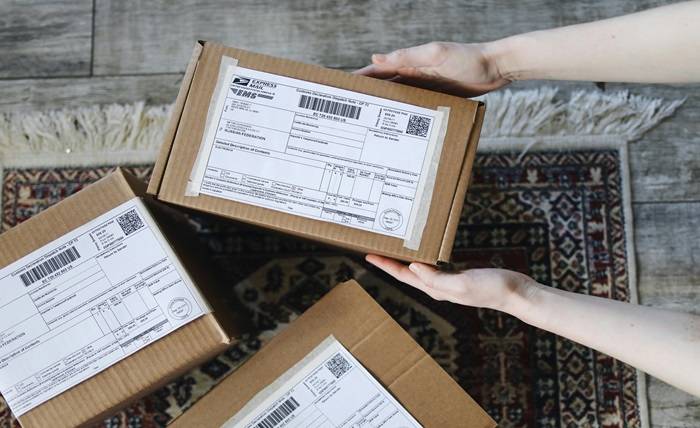
In e-commerce, a seamless return process is vital for maintaining customer satisfaction and loyalty. Central to this process is the return label—a small but powerful tool that can make or break a customer’s experience with a brand. Understanding the role of return labels, both from a customer and business perspective, can significantly enhance the efficiency of returns and build lasting trust.
What Exactly is a Return Label?
A return label is a pre-generated shipping label that enables customers to send back products they wish to return. It typically includes the recipient’s address, a tracking barcode, and other essential details that ensure the package is correctly processed upon its return to the retailer. Return labels can be included in the initial shipment or provided separately through digital means, depending on the retailer’s policy.
Return Labels and Customer Experience
For customers, return labels provide a crucial layer of convenience. When a customer decides to return an item, having a return label on hand simplifies the process. Instead of navigating through complex return procedures, the customer can simply attach the label to the package and send it back, often without incurring any additional cost. This ease of use can make a significant difference in how customers perceive a brand. A smooth, stress-free return process can turn a potentially negative experience into a positive one, encouraging repeat business.
Business Benefits: Streamlining Operations
For businesses, return labels are more than just a customer convenience; they are a critical component of operational efficiency. By providing pre-generated return labels, businesses can streamline the logistics of returns, making it easier to track and manage incoming items. This can reduce processing times and ensure that returned products are quickly inspected, restocked, or discarded, minimizing any disruption to inventory levels.
Moreover, return labels often come with built-in tracking, allowing both the customer and the business to monitor the return’s progress. This transparency fosters trust and helps prevent disputes over lost or delayed returns.
Choosing the Right Return Label Strategy
When it comes to implementing return labels, businesses must carefully consider their strategy. One common approach is to include a return label in every package. This method is customer-friendly but can be costly, especially for businesses with high return rates. Another option is to offer return labels on request or through a digital platform, where customers can print their own labels as needed. This can reduce waste and save costs while still offering flexibility.
Digital return labels are increasingly popular, as they align with growing environmental concerns and provide a modern, efficient solution. However, businesses should ensure that this option is accessible to all customers, considering that not everyone may have access to a printer or be comfortable with digital processes.
The Environmental Impact
As sustainability becomes a key consideration for consumers and businesses alike, the environmental impact of return labels cannot be ignored. Physical labels contribute to paper waste, and the shipping of returns adds to a business’s carbon footprint. Digital return labels offer a greener alternative, reducing paper use and making the return process more eco-friendly. Businesses that prioritize sustainability can promote digital return options as part of their broader commitment to the environment.
Conclusion
Return labels play an essential role in the e-commerce ecosystem, benefiting both customers and businesses. By providing a streamlined and convenient return process, return labels enhance the overall shopping experience and build trust in a brand. For businesses, a well-thought-out return label strategy can optimize operations, reduce costs, and support sustainability goals. In a market where customer experience is key, the return label is a small detail with a significant impact.