

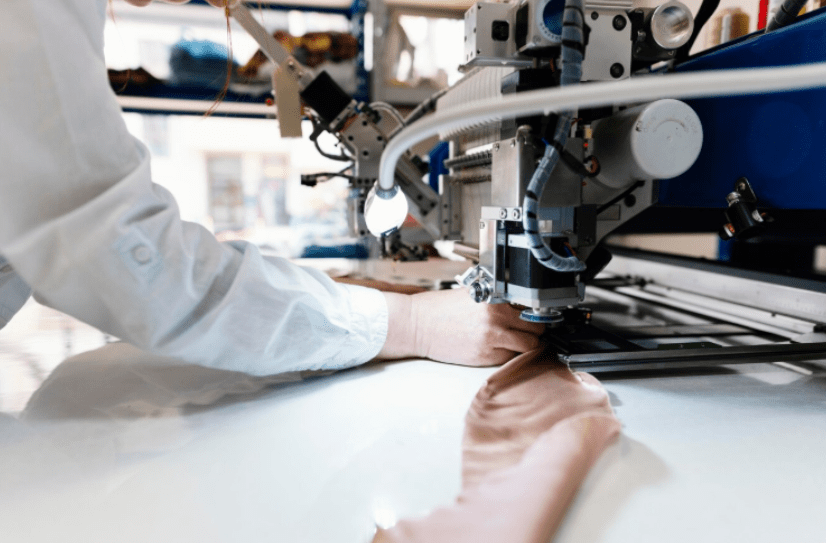
Behind every great piece of clothing is a process of testing, learning, and improving. That’s the role of R&D in garment manufacturing. From trying new materials to improving comfort and function, R&D helps clothing brands stay creative, competitive, and sustainable.
The Role of R&D in Garment Manufacturing: Innovation Behind the Seams
Why R&D Matters in Apparel Manufacturing Today
Making good clothes today isn’t just about sewing well, it’s also about using the right materials, smart designs, and better production methods. That’s where research and development (R&D) comes in. It helps clothing manufacturers and brands create products that meet modern consumer demands: comfort, performance, style, and sustainability.
Modern consumers no longer settle for aesthetics alone, they expect garments to be functional, durable, and environmentally responsible. R&D, especially in sustainable clothing manufacturers, supports this by introducing innovative fabrics like moisture-wicking materials for activewear, temperature-regulating textiles for outdoor wear, and biodegradable or recycled fibers for eco-conscious collections.
But R&D doesn’t stop at fabric. It also shapes how garments are constructed and styled. Design-focused R&D explores fit, form, and movement. Whether it’s ergonomic seams for mobility, seamless knitting for comfort, or pattern engineering to reduce fabric waste, R&D in structure ensures garments don’t just look good—they feel and function better.
Through lab testing, prototyping, and collaboration with fiber and chemical suppliers, R&D teams identify the best combinations of yarns, finishes, and treatments. Clothing can now resist odor, stretch without deforming, and provide UV protection.
Moreover, R&D supports sustainable innovation, helping brands develop low-impact dyeing methods, waterless finishing, and circular design models that reduce waste. By doing so, R&D not only drives technical progress but also strengthens a brand’s identity in a market where consumers care how things are made.
Making good clothes today isn’t just about sewing well, it’s also about using the right materials, smart designs, and better production methods
How a Manufacturer’s R&D Team Supports Brand Differentiation
Most large-scale OEM clothing manufacturers have strong R&D capabilities, especially in areas like fabric development, product structure consultation, and optimizing construction for efficient production. Their expertise helps ensure the product can be made at scale with the right performance, durability, and cost-effectiveness.
However, the creative direction, such as design concepts, aesthetics, brand positioning, and consumer targeting, remains the brand’s responsibility. While manufacturers can offer technical input, it’s the brand that defines the “look and feel,” market identity, and long-term vision.
For example, if a brand wants to launch an activewear line with quick-dry, stretchable fabric that also uses recycled fibers, the R&D team of the activewear manufacturer can source the right materials, test different fabric blends, and help fine-tune the product to meet both style and performance goals. This technical expertise helps bring the brand’s concept to life in ways a basic production line can’t.
R&D also helps brands explore new garment construction techniques, like seamless knitting, ergonomic paneling. These innovations can become signature features that set a brand apart in the market, especially when customers care about comfort, sustainability, and performance.
For fashion-focused brands, R&D supports unique silhouettes and design structures by improving fit, shaping, and wearability. For function-driven brands, R&D ensures each product meets specific user needs, like weather resistance, temperature control, or durability.
Strong R&D from manufacturers meets brand creativity to deliver high-performance, market-ready products
Examples of Value-Added Innovation in Action
In practice, value-added innovation emerges in many different ways throughout the product lifecycle, from material sourcing to final garment construction. For manufacturers, this often means developing textile solutions that not only meet performance standards but also align with a brand’s sustainability goals or pricing strategies. On the brand side, innovation is a tool for differentiation, storytelling, and meeting the nuanced needs of their target audience.
Take, for example, the application of thermoregulating or moisture-wicking fabrics in garments that are not just for sportswear, but also for everyday comfort. When such innovations are integrated early through R&D collaboration between brand and manufacturer, they add real user value while elevating the product’s market position.
Another area where value-added innovation shines is construction. Whether through seamless technology, ergonomic patterning, or modular garment design, new techniques can improve comfort, reduce waste, or enhance fit, all of which influence consumer satisfaction and loyalty.
Even small technical refinements like anti-microbial finishes, stretch recovery, or UV protection, can be differentiators in a crowded market. These features may seem subtle, but when embedded thoughtfully, they become part of a brand’s identity and offer tangible value that justifies a higher price point.
Innovative garment construction like seamless or ergonomic design boosts comfort, reduces waste, and improves fit
In conclusion, R&D is essential in today’s garment manufacturing. It helps both brands and manufacturers create clothing that meets modern needs, whether it’s comfort, function, or sustainability. From smart fabric development to better garment construction, R&D adds real value to every stage of production. When both sides collaborate closely, they can turn creative ideas into practical, high-quality products. Innovation behind the seams is not just a trend; it’s a long-term strategy that drives success in a competitive and fast-changing market.