

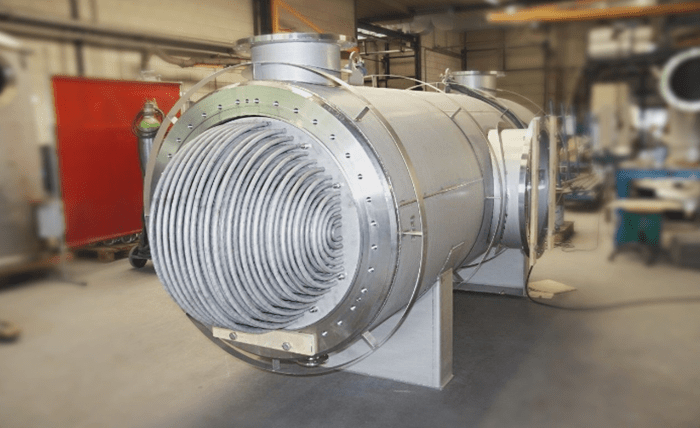
High pressure storage tanks play a pivotal role in the energy and chemical industries. These robust vessels are the backbone of many industrial processes, quietly containing gases and liquids under extreme pressures.
From storing natural gas to housing chemical feedstocks, these tanks are essential in maintaining the flow of materials that power our modern world. They also contribute significantly to operational safety, efficiency, and sustainability.
The Basics of High-Pressure Storage
High-pressure storage tanks are engineered marvels designed to withstand immense forces. They come in various shapes and sizes, each tailored to specific needs. Some key features include:
- Thick walls to resist internal pressure
- Carefully designed seals to prevent leaks
- Pressure relief valves for safety
These tanks are built to last, often constructed from high-strength materials like steel alloys or advanced composites. The choice of material depends on the substance being stored and the operating conditions.
Applications in the Energy Sector
Leading pressure tank manufacturers design these extra quality storage systems to meet the unique demands of high-pressure energy storage. Their expertise ensures that tanks are built to handle varying pressures and temperatures, essential for the energy sector’s operational reliability.
In the energy industry, high-pressure storage tanks are workhorses that keep the lights on and vehicles moving. They’re used for:
- Natural Gas Storage: Tanks store compressed natural gas, allowing for consistent supply during peak demand periods. This helps balance the grid and ensures a steady flow of energy to homes and businesses.
- Hydrogen Storage: As the world moves towards cleaner energy, hydrogen is gaining traction. High-pressure tanks are crucial for storing this lightweight gas safely and efficiently.
- Compressed Air Energy Storage: This innovative technology uses tanks to store compressed air, which can be released to generate electricity when needed, providing a green alternative to traditional batteries.
Chemical Industry Applications
The chemical industry also relies heavily on high-pressure storage tanks for various processes:
- Feedstock Storage: Many chemical reactions require pressurized raw materials. Tanks ensure these feedstocks are readily available and properly contained.
- Intermediate Product Holding: During multi-step chemical processes, intermediates often need to be stored under pressure before moving to the next stage.
- Final Product Containment: Some end products, like industrial gases or pressurized solvents, require specialized storage solutions.
Safety Considerations
Working with high-pressure storage tanks isn’t without risks. Safety is paramount in their design and operation. Key safety measures include:
- Regular Inspections: Tanks undergo frequent checks to ensure structural integrity and detect any potential issues early.
- Pressure Monitoring: Advanced sensors constantly track internal pressures, alerting operators to any abnormalities.
- Emergency Systems: Rapid depressurization systems and containment measures are in place to handle worst-case scenarios.
- Personnel Training: Operators must understand the intricacies of these systems to maintain safe working conditions.
Future Developments
As technology advances, high-pressure storage tanks are also evolving. One of the most significant trends is the integration of smart monitoring systems. By incorporating IoT sensors, these tanks can provide real-time data on their conditions and contents, enhancing safety and operational efficiency.
Another promising development is the use of advanced materials. Researchers are working on creating stronger and lighter materials that can increase storage capacity and improve safety. These innovations not only enhance the performance of the tanks but also contribute to more efficient storage solutions.
Green manufacturing is also gaining traction in the industry. Efforts are being made to reduce the environmental impact of tank production and installation. This includes using sustainable materials and processes that minimize waste and energy consumption.
These innovations collectively promise to make high-pressure storage tanks even more efficient and reliable in the coming years, supporting the ongoing advancements in the energy and chemical industries.
Conclusion
High-pressure storage tanks are a cornerstone of the energy and chemical industries. Their ability to safely store and transport gases and liquids under high pressure is crucial for operational efficiency and safety.
As industries continue to evolve, so do will these sturdy containers to meet new challenges. From powering our homes to enabling cutting-edge chemical processes, high-pressure storage tanks will remain as silent sentinels, keeping our industrial world turning.