

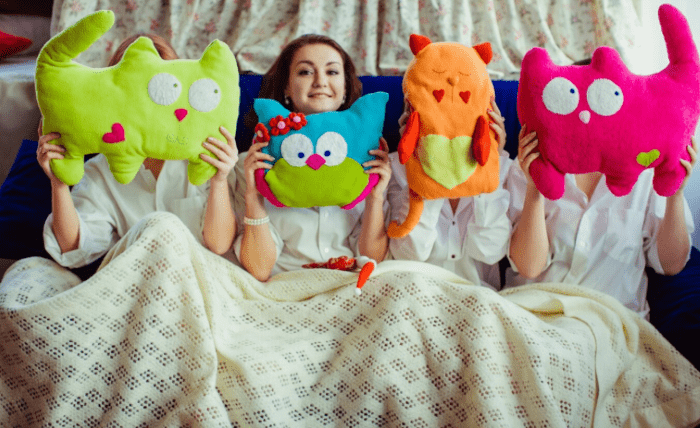
There’s something special about a child and their favorite plush toy. Whether it’s a floppy-eared bunny, a quirky avocado, or a classic teddy bear, soft companions like Jellycat toys offer more than just cuddles—they provide emotional comfort, security, and even a sense of identity for children growing up in an ever-changing world.
These soft friends play a meaningful role in childhood development, and their impact can be surprisingly long-lasting.
A Source of Comfort and Safety
At their core, plush toys are designed to be held, hugged, and carried. For children, this tactile connection brings a sense of security, especially during moments of stress, separation, or uncertainty. Whether it’s starting a new preschool, going on a trip, or facing bedtime alone, having a Jellycat friend nearby gives children a familiar, comforting presence.
The ultra-soft textures and whimsical personalities of Jellycat toys make them especially soothing. Many children form strong attachments to these plushies, using them as transitional objects to cope with change or regulate emotions.
Encouraging Emotional Expression
Children often lack the vocabulary to express their emotions. That’s where stuffed animals come in. Through pretend play, storytelling, or even just a quiet cuddle, children can project their feelings onto their plush companions. A child might comfort their Jellycat bunny during a “storm,” reenacting the same comfort they seek themselves, or they might talk to their toy as a stand-in for a trusted friend.
This type of imaginative interaction fosters emotional intelligence by enabling children to identify and process their own emotions in a safe and creative manner.
Building Independence
Plush companions can also promote independence by offering a child a sense of control. When kids care for their Jellycat toy, making it a bed, choosing its name, or taking it on daily adventures, they build routines that foster confidence and responsibility.
For example, a toddler might insist their Jellycat fox joins them at mealtime or comes along for errands. This isn’t just cute, it’s a sign the child is practicing agency and self-soothing through imaginative routines.
A Non-Judgmental Friend
Perhaps one of the most powerful emotional benefits of plush toys is that they are always there, silent, loyal, and non-judgmental. For kids navigating big emotions, social transitions, or early developmental challenges, having a “friend” who simply listens can make a world of difference.
Jellycat toys, with their gentle faces and playful personalities, offer just that kind of unconditional presence.
Why Jellycat Makes a Difference
Not all plush toys are created equal. What sets Jellycat apart is their thoughtful design, luxurious softness, and whimsical charm. Each toy has a unique personality, making it easy for children to find one that truly feels like theirs. Whether it’s a bashful bunny, a friendly food character, or a fantastical creature, Jellycats invite imagination and emotional connection in a way few toys can.
Conclusion
In a world full of screen time and sensory overload, a simple plush toy can still offer real emotional value. Jellycat companions don’t just sit on shelves—they become trusted sidekicks, quiet listeners, and sources of comfort through all of childhood’s ups and downs.
If you’re looking for a gift that supports a child’s heart as well as their imagination, a Jellycat plush may be exactly what they need.