

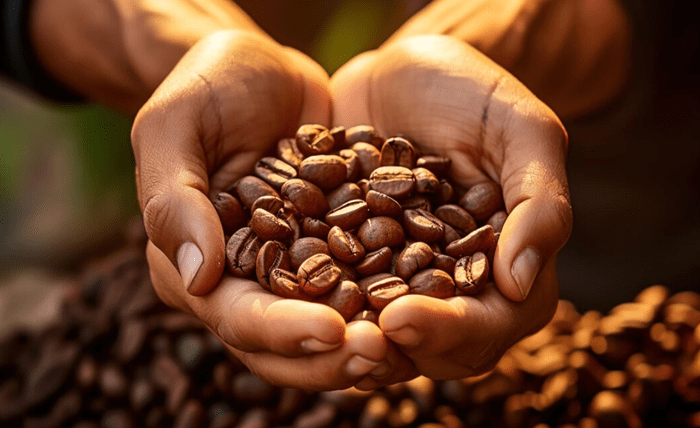
Many coffee lovers worldwide are increasingly turning to natural options, and it’s no surprise why. With the growing awareness of environmental sustainability, health benefits, and better quality, these choices are rapidly becoming the brew of preference. But what truly makes organic beans stand out? From the farm where they’re grown to the cup you savour, there are several reasons why choosing naturally grown beans can elevate your daily experience.
What Sets Organic Beans Apart?
One key difference between naturally grown and conventional coffee beans is how they are cultivated. Organic coffee beans are produced without synthetic pesticides, herbicides, or chemical fertilisers, reducing the environmental impact and creating a healthier option for consumers. This type of farming focuses on soil health, biodiversity, and minimising pollution, which helps maintain the delicate ecosystems in growing regions. Organic mold free coffee takes this a step further, ensuring that the beans are not only free from harmful chemicals but also carefully processed to avoid mold contamination, offering a pure, high-quality coffee experience.
But does this mean naturally grown beans taste different? Many enthusiasts believe such options offer a purer, more robust flavour because they are grown in nutrient-rich, chemical-free environments. The absence of harsh chemicals allows its natural characteristics to shine through, leading to a smoother, cleaner drink.
How Organic Farming Supports Sustainability
Sustainability has become a buzzword in recent years, but for good reason. This type of farming prioritises sustainable practices that benefit the environment and the people who cultivate the crops. Crop rotation, composting, and organic pest management techniques are some of these techniques. The result? Healthier soil, fewer greenhouse gas emissions, and less deforestation.
In addition, these beans are often shade-grown, meaning they are cultivated under the canopy of trees. This not only conserves biodiversity by providing habitats for wildlife but also reduces the need for deforestation. Shade-grown farms are essential to maintaining healthy ecosystems and supporting local wildlife, making these beans a more environmentally responsible choice.
The Health Perks of Organic Beans
Beyond the environmental benefits, naturally grown beans offer some significant health advantages. Since they are cultivated without synthetic chemicals, you’re not consuming any pesticide residues when you enjoy a cup. This can relieve those concerned about the potential health risks of long-term exposure to synthetic pesticides.
Moreover, these beans are often richer in antioxidants than conventionally grown ones. Antioxidants are known for their ability to combat inflammation and protect the body from oxidative stress, which can lead to various chronic conditions. So, are natural options a healthier way to start your morning?
Why Choose Medium Roast Organic Beans?
Among the many organic options, medium roast beans offer a balance of flavour and acidity that appeals to many drinkers. Unlike darker roasts that can sometimes mask the beans’ natural flavours with a more robust, smoky taste, medium roast allows the complexity of the origin to come through.
A medium roast perfectly balances body and flavour, providing a rich and satisfying coffee experience. It maintains some of the bean’s natural acidity while offering a smooth, well-rounded taste. This makes it an excellent choice for those who want to enjoy the full spectrum of organic coffee’s flavours without the bitterness or harshness often associated with darker options. Additionally, medium roasts highlight the unique characteristics of the beans, allowing drinkers to appreciate the subtleties in every cup.
How Does Organic Help Communities?
When you choose naturally grown options, you support environmentally friendly farming practices and contribute to thriving communities’ well-being. Many of these farms are small, family-run operations that adhere to fair trade principles. These farms often pay their workers fair wages, provide better working conditions, and invest in community development projects such as schools and healthcare facilities.
In many cases, these beans are also certified fair trade, ensuring that the farmers who work hard to produce this exceptional product are compensated fairly. This creates a cycle of sustainability where not only the land is cared for, but the people who depend on it are, too.
Bringing It All Together: Farm to Cup
So, what’s the real benefit of choosing these beans from farm to cup? It’s a holistic approach that supports the environment, provides health benefits, and contributes to farmers’ livelihoods. These options offer a higher-quality, better-tasting brew, free from harmful chemicals and packed with antioxidants.
As more people become aware of the benefits of sustainable products, the demand for such beans continues to rise. With each sip, you consciously choose to support farming practices, prioritising the planet, your health, and the communities producing your beverage.
Choosing organic coffee beans is more than just a trend; it’s a commitment to sustainability, quality, and health. From how they are grown to their positive impact on both the environment and the people who farm them, organic coffee represents a shift towards more ethical and environmentally conscious consumer habits. The next time you brew your morning cup, consider going organic—it could make all the difference in taste, health, and sustainability.