

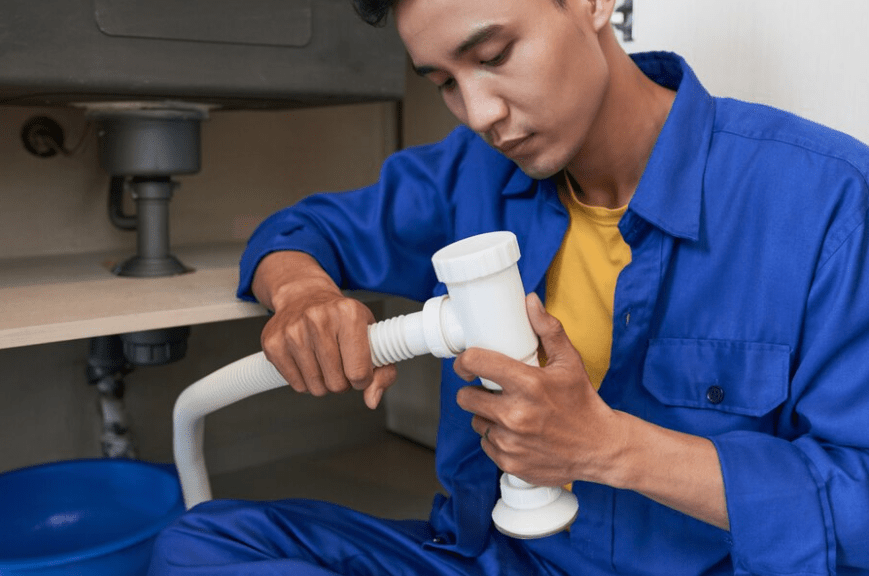
Understanding Preventive Plumbing Maintenance
Preventive plumbing maintenance is a proactive approach to forestall potential disasters and the high costs associated with emergency plumbing repairs. This maintenance strategy is crucial in avoiding unexpected and often expensive problems within your home or business plumbing systems. For instance, routine attention to areas requiring plumbing toilet repair can keep minor hiccups from developing into severe and costly issues. Frequent inspections and maintenance procedures guarantee that your plumbing system stays in top operating shape, lowering the possibility of unplanned malfunctions.
By emphasizing early detection and repair, preventive maintenance aligns with principles shared in a Consumer Reports guide, highlighting that homes benefit considerably from consistent upkeep. Scheduled maintenance tasks extend the lifespan of plumbing systems and contribute to heightened efficiency and reliability. Regular upkeep schedules bridge the gap between potentially severe issues and seamless, long-term system operation.
Standard Plumbing Issues to Look Out For
Awareness of common plumbing issues is an essential component of preventive maintenance. Everyday problems like leaky faucets, slow-draining sinks, and toilets that run continuously are more than just nuisances—they can be early indicators of more significant problems, such as hidden leaks or blocked pipes. Recognizing these issues early can be instrumental in preventing more extensive damage down the line.
HGTV’s resources support the importance of early intervention. They emphasize that addressing minor issues promptly conserves water and significantly reduces the overall cost of utilities. By staying vigilant and handling these issues urgently, homeowners can avoid far more expensive repairs in the future, saving both time and money while protecting their property.
Simple DIY Techniques for Homeowners
For many homeowners, picking up a few DIY plumbing techniques is empowering and practical. Routine checks and minor adjustments can prevent more severe issues from arising, ensuring your plumbing system remains stable and efficient. Here’s a helpful checklist for homeowners looking to take control of their plumbing upkeep:
- Monthly inspections of pipes beneath sinks to detect and address leaks early, reducing potential water damage.
- Regularly monitor water pressure levels in your home to ensure comfort and an optimal range, thereby extending the life of your pipes and fixtures.
- Periodic cleaning of faucet aerators to remove accumulation and maintain consistent water flow, preventing sediment build-up that can restrict performance.
These straightforward practices require minimal time and equipment but offer substantial benefits by preventing more significant problems from developing.
The Importance of Regular Professional Inspections
While DIY efforts are valuable, they should complement professional plumbing inspections rather than replace them. Skilled experts have the equipment and know-how to spot problems that might be obscure initially, like slowly developing sewer line obstructions or hidden pipe corrosion. Scheduling regular inspections with a certified plumber provides an additional layer of security, ensuring that plumbing systems remain operational and damage-free.
Professional assessments, typically advised annually, help secure the integrity of your plumbing systems, preempt costly emergency repairs, and contribute to a more comprehensive understanding of your plumbing infrastructure.
Essential Tools and Supplies
Having essential tools on hand is crucial for those looking to engage more fully in their plumbing care. Essential plumbing tools such as a durable pipe wrench, a reliable and efficient plunger, and a roll of plumber’s tape can be invaluable in tackling minor plumbing issues as they arise. These tools enable homeowners to address small-scale problems immediately, minimizing potential inconvenience and damage.
Sustainability and Water Conservation
Effective plumbing maintenance is also intrinsically linked to water conservation efforts. Properly fixing leaks and installing water-efficient devices like low-flow showerheads and toilets can save significant amounts of this essential resource. The push towards eco-friendly fixtures lowers utility bills and supports broad environmental goals, offering clear benefits to homeowners and the planet.
As more households adopt sustainable and eco-conscious practices, the cumulative impact on water resources can be substantial, paving the way for a healthier environment and a more sustainable future.
Final Thoughts
Embracing a preventive approach to plumbing maintenance is a wise investment for any homeowner. It enhances the reliability and efficiency of domestic systems while safeguarding against unexpected problems. By integrating regular inspections—with both DIY techniques and professional assessments—homeowners can enjoy peace of mind and maintain a comfortable, hassle-free living environment. Taking proactive measures today will reap substantial benefits, ensuring your plumbing systems remain in peak condition for years.