


Your business logo is more than just a design – it’s a visual representation of your brand, often becoming the first point of contact between you and your potential customers. Your logo has the power to tell your story in a split second, setting the stage for how customers will remember and engage with you. And while shape and style play their part, color is the true game-changer.
The right color palette can spark emotion, build trust, and leave a lasting impression. Needless to say, color is one of the most powerful tools in logo design. If you want to set your brand apart and drive meaningful connections with your audience, it’s time to master the art of color.
This blog can help you learn how to harness the power of color in your logo design and change how your brand is perceived.
1. Understand The Psychology Behind Colors
Colors have a profound impact on human emotions and behavior. They can evoke emotions and associations, often without us even realizing it. This psychological impact is why selecting the right palette for your logo is crucial. For instance, some common colors we see can evoke the following feelings:
- Red embodies energy, passion, and excitement, making it a powerful choice for brands that want to capture attention and inspire action.
- Blue conveys trust, professionalism, and calm, often chosen by brands seeking to build reliability and foster a sense of security with their audience.
- Black exudes sophistication, powerfulness, and elegance, often used by brands that aim to make a bold, luxurious statement.
- White symbolizes purity, cleanliness, and simplicity, giving brands a fresh and minimalist appeal that focuses on clarity and openness.
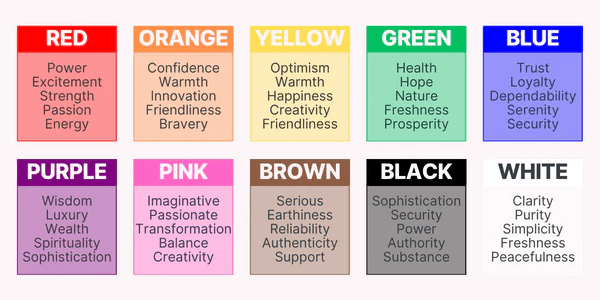
Understanding the psychology of color can help you design a logo that communicates your brand’s values. By selecting the right colors, you can create an emotional connection with your target audience, making your logo memorable and engaging.
2. Assess The Cultural Significance Of Color
While the psychological effects of color are universal to a degree, culture also plays a significant role in how colors are perceived. For example, in the West, red is often associated with excitement, love, or urgency. However, it signifies luck and prosperity in China, while in India, it symbolizes purity.
When designing a logo, especially for a global business, it is crucial to consider the cultural context in which the brand will operate. Failing to take into account these nuances can result in a logo that unintentionally conveys the wrong message to specific demographics.
3. Establish Brand Identity Through Color
Your logo acts as a visual symbol of your brand. A well-designed logo ensures the color resonates with the brand, helping to build a strong identity. In fact, color consistency across all marketing materials, from your website and packaging to your social media channel, creates a cohesive visual identity, increasing brand recognition. Brands like McDonald’s with its iconic M, or Nike with its simple black swoosh exemplify how sticking to a consistent color scheme reinforces identity over time.
By choosing the right colors and applying them consistently, you can easily create a strong brand presence that customers instantly recognize, even from afar. This enables them to connect with your brand on an emotional level, leaving a lasting impression that fosters loyalty.
4. Use Colors With Competitive Differentiation
Today’s markets are crowded. The easiest way to stand out from the competition is to be different. Using a unique color in your industry can help your business become more noticeable and distinctive.
For instance, T-Mobile’s bold use of magenta sets it apart from other telecommunications companies, most of which stick to blue and red palettes. This color choice not only makes T-Mobile’s logo memorable but also signals that the company is vibrant, youthful, and different from its competitors.

A well-thought-out color choice can make your logo more recognizable. However, that begins with researching your competitors and finding hues that are unique yet still align with your brand’s core message. Striking the right balance between standing out and conveying your brand’s essence is the key to a strong and effective logo.
5. Watch Current Trends In Logo Colors
As consumer preferences evolve, so do trends in logo colors. While timeless hues like blue, red, and black will always have their place, more brands today opt for softer and more approachable colors to create a sense of inclusivity and modernity. Pastels, muted earth tones, and gradients have become more popular in recent years, appealing to younger audiences and brands that want to appear more forward-thinking.
Additionally, color gradients and multi-tone logos have gained traction, allowing logos to be more dynamic and visually engaging. Instagram’s shift from a flat camera logo to its colorful gradient design is an excellent example of how modern trends can refresh and revitalize a brand. Similarly, Slack’s multicolored hashtag uses a combination of colors to create a dynamic brand image that helps it stand out in the tech industry while conveying collaboration, diversity, and creativity.
Final Words of Advice
Your logo is an essential component of your brand identity. So, it needs to be spot on. While some brands may feel they have the talent to create their own logo, it may be best to consult a logo design specialist. They have the skills and experience to craft a logo that’s not only unique, but they know how to utilize the right color schemes that can resonate perfectly with your brand identity.
The best news is that expert design specialists can be found easily online. So start searching for “logo company near me”. Once you get a list of options, you can shortlist the one that has a strong portfolio, understands your brand vision, and can craft a logo with the perfect color palette to make your business truly stand out.
Choose the Right Colors for Your Business Logo
Designing a logo that resonates with your audience requires carefully considering what colors to use and their implications. Your choice is critical to how your brand will be perceived. The right selection can help communicate your brand’s values, differentiate you from competitors, and influence consumer behavior. After all, you want to create a powerful and lasting visual identity for your business. Allow your logo to become an emblem of everything your brand stands for.