

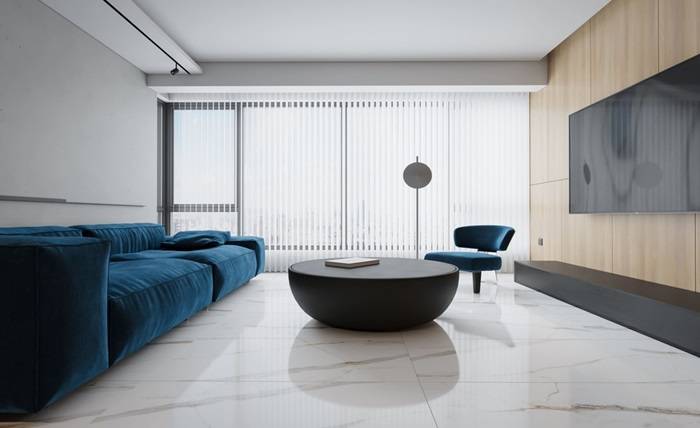
In the ever-evolving world of real estate, first impressions matter. For buyers and sellers, the visual appeal of a property can make all the difference. It’s no secret that a well-presented property can fetch higher prices and attract more potential buyers. This is where the power of 3D interior rendering comes into play. In this comprehensive guide, we will explore how 3D interior rendering revolutionizes the real estate industry, enhances property listings, and ultimately changes how we buy and sell real estate.
The Evolution of Real Estate Marketing
Before we delve into the transformative impact of 3D interior rendering, let’s take a moment to reflect on the evolution of real estate marketing. Traditionally, real estate listings relied heavily on text descriptions, photographs, and, more recently, 2D floor plans. While these methods provided insight into a property, they often needed to convey its true potential.
As technology advanced, the real estate industry began to embrace more sophisticated marketing tools. High-quality photographs and virtual tours became the norm, offering potential buyers a better sense of a property’s layout and condition. However, these methods still left room for improvement in terms of immersing buyers in the experience of a property.
The Rise of 3D Interior Rendering
Enter 3D interior rendering—a cutting-edge technology rapidly gaining traction in the real estate market. This innovative approach allows real estate professionals to create highly detailed and photorealistic representations of interior spaces. By leveraging 3D rendering software, interior designers, architects, and real estate agents can turn concepts into captivating visuals.
Unleashing the Power of Visualization
One of the primary advantages of 3D interior rendering is its ability to bring a property to life before it’s even built or renovated. With this technology, empty rooms can be transformed into furnished and decorated spaces with realistic lighting and textures. This level of detail enables potential buyers to visualize themselves living in the property, a game-changer in the real estate world.
Photorealism and Attention to Detail
The quality of 3D interior rendering is nothing short of remarkable. These renderings closely resemble high-resolution photographs, and in some cases, it can be challenging to distinguish between a photograph and a rendered image. This photorealism allows buyers to scrutinize every property detail, from the type of flooring used to the fixtures in the bathroom.
A 360-Degree View
Another compelling feature of 3D interior rendering is its ability to offer a 360-degree view of a space. Virtual tours created with 3D rendering technology allow users to explore a property as if they were physically present. They can navigate rooms, zoom in on specific features, and get a genuine sense of the property’s layout and flow.
The Impact on Real Estate Listings
Now that we understand the capabilities of 3D interior rendering, let’s dive into how it’s reshaping real estate listings and providing a competitive edge to those who embrace it.
Enhanced Presentation
First and foremost, 3D interior rendering significantly enhances the presentation of a property. Rather than relying on flat, 2D images, listings can include interactive 3D tours that engage and captivate potential buyers. This level of engagement can be a powerful motivator for prospective purchasers.
Reduced Imagination Gap
One of the perennial challenges in real estate marketing is the imagination gap. Buyers are often asked to imagine how a space could look with their personal touch, which can be a substantial barrier to purchasing. 3D interior rendering bridges this gap by providing a vivid and realistic depiction of the property’s potential.
Remote Viewing
Especially in today’s fast-paced world, convenience is vital. 3D interior rendering allows buyers to explore a property from the comfort of their own homes. This remote viewing capability is precious for international or out-of-state buyers who may have yet to have the opportunity to visit in person.
Time and Cost Savings
For sellers, 3D interior rendering can save significant time and cost. Rather than physically staging a property, which can be expensive and time-consuming, a property can be rendered with different interior design styles and configurations, catering to a broader range of potential buyers.
Competitive Advantage
Early adopters gain a competitive advantage as 3D interior rendering becomes more popular. Properties that feature 3D renderings stand out in listing platforms, attracting more views and inquiries. This increased visibility can lead to quicker sales and potentially higher selling prices.
Transparent Communication
Real estate transactions involve numerous stakeholders, including buyers, sellers, agents, and sometimes architects or designers. 3D interior rendering provides a common visual language that simplifies communication. All parties can see the intended design and layout, reducing the risk of misunderstandings or disagreements.
Influencing Buyer Behavior
A Shift in Buyer Expectations
Buyers today have access to abundant information and tools at their fingertips. They expect more than static images or basic floor plans when searching for properties online. This expectation shift has led to the growing demand for immersive and interactive experiences, which 3D interior rendering is uniquely positioned to provide.
Higher Engagement and Longer Interactions
Properties featuring 3D interior rendering attract more attention from potential buyers. Users tend to spend more time engaging with the listing when presented with the option to explore a property in detail through a virtual tour. This increased interaction can lead to a deeper connection with the property.
More Informed Decision-Making
3D interior rendering empowers buyers to make more informed decisions. By offering an interactive experience that allows users to examine every nook and cranny of a property, it becomes easier to assess if the space meets their specific needs and preferences. This level of transparency builds trust in the listing and the selling process.
Shaping Marketing Strategies
As buyer behavior evolves, real estate marketing strategies need to adapt accordingly. Here’s how 3D interior rendering is shaping these strategies:
Content Marketing Dominance
Content marketing is king in the digital age, and 3D interior rendering is a prime tool for creating compelling content. Real estate professionals can leverage 3D renderings for property listings and blog posts, social media content, and email marketing. This diverse range of content can attract a broader audience and keep potential buyers engaged.
Personalized Experiences
One of the standout features of 3D interior rendering is its adaptability. Real estate agents can tailor the rendering to different audiences and demographics. For example, a single property can be presented with various interior design styles to appeal to a broader range of potential buyers. This level of personalization can significantly increase the chances of a property resonating with buyers.
Virtual Staging and Renovation Previews
3D interior rendering also opens the door to virtual staging and renovation previews. Virtual staging allows vacant properties to be virtually furnished and decorated, making them more inviting and inspiring. Renovation previews enable buyers to see the potential of a fixer-upper, helping them envision how the property could be transformed.
Revolutionizing the Industry
The real estate industry is notorious for resisting change, but 3D interior rendering is breaking down traditional barriers and revolutionizing how properties are marketed and sold.
Reducing Physical Footprints
3D interior rendering can significantly reduce the need for physical showings and open houses. While these events can be influential, they also consume time and resources. With 3D rendering, potential buyers can conduct virtual tours anytime, reducing the inconvenience for sellers and buyers.
Global Reach
3D interior rendering can extend the reach of real estate listings beyond local markets. International and out-of-state buyers can explore properties in great detail without extensive travel. This expanded reach can lead to faster sales and a broader pool of potential buyers.
Streamlining Decision-Making
The immersive nature of 3D interior rendering streamlines the decision-making process. Buyers can confidently assess a property from anywhere in the world, and when they decide to visit in person, it’s often with a solid intent to make an offer. This efficiency benefits both buyers and sellers.
Market Differentiation
As more real estate professionals adopt 3D interior rendering, it’s becoming increasingly crucial for those in the industry to stay competitive. Properties that feature 3D renderings tend to stand out in crowded markets, attracting more inquiries and often commanding higher selling prices. This market differentiation can be a game-changer in regions with many similar properties.
The Future of Real Estate Marketing
In conclusion, 3D interior rendering is not merely a trend in real estate marketing—it’s a fundamental shift in how properties are presented and perceived. Its ability to influence buyer behavior, shape marketing strategies, and revolutionize the industry cannot be overstated.
As technology advances, we can expect even more exciting developments in real estate marketing. Virtual reality (VR) and augmented reality (AR) are on the horizon, promising even more immersive and interactive experiences for buyers. However, one thing is clear: 3D interior rendering has left an indelible mark on the industry and is here to stay.
Practical Tips for Integration
Having delved into the transformative impact of 3D interior rendering on real estate marketing and its influence on buyer behavior, it’s time to explore practical tips for real estate professionals looking to integrate this powerful tool into their strategies.
1. Choose the Right Partner
Partnering with the right professionals is paramount if you’re considering implementing 3D interior rendering. Look for experienced 3D rendering artists or studios with a portfolio that aligns with your needs. They should understand the nuances of real estate and be able to translate your vision into stunning visuals.
2. Showcase Different Designs
One of the strengths of 3D interior rendering is its flexibility. Take advantage of this by showcasing different design styles for a property. Whether modern, classic, or eclectic, offering multiple renderings can attract a broader audience. Buyers with diverse tastes will appreciate seeing the property in various configurations.
3. Highlight Key Selling Points
Every property has unique features that make it stand out. Whether it’s a spacious backyard, a state-of-the-art kitchen, or a breathtaking view, highlight these key selling points in your 3D renderings. Buyers should immediately see what sets the property apart from the competition.
4. Create Virtual Staging Options
For vacant properties, consider offering virtual staging options. A blank canvas can be challenging for buyers to envision. Virtual staging lets you furnish and decorate the space digitally, making it more inviting. Additionally, virtual staging costs a fraction of physical staging, making it a cost-effective solution.
5. Interactive Virtual Tours
Invest in creating interactive virtual tours for your listings. These tours enable potential buyers to explore the property at their own pace. Ensure the tours are user-friendly, allowing users to quickly move from room to room and zoom in on details. The more immersive the experience, the more engaged the buyer will be.
6. Consistency in Branding
Maintain consistency in branding across all your 3D renderings and marketing materials. This includes using the same color schemes, fonts, and logos. A consistent brand image builds trust and recognition among potential buyers.
7. Mobile Optimization
Many buyers use mobile devices to search for properties in today’s digital landscape. Ensure that your 3D renderings and virtual tours are optimized for mobile viewing. A seamless experience on smartphones and tablets is essential for reaching a broad audience.
8. Educate Your Clients
Some clients may need to familiarize themselves with 3D interior rendering and its benefits. Take the time to educate them on how this technology can enhance their property’s listing. Provide examples and case studies to illustrate the impact of 3D rendering on marketing outcomes.
9. Stay Updated on Technology
The field of 3D rendering is continually evolving. Stay updated on the latest advancements and trends in the industry. This knowledge will allow you to leverage new technologies and stay ahead of the competition.
10. Measure and Adapt
Lastly, measure the impact of 3D interior rendering on your marketing efforts. Track metrics such as increased website traffic, longer time spent on listings, and conversion rates. Use these insights to adapt and refine your strategies continually.
In conclusion, 3D interior rendering is a game-changer in the real estate industry. Its ability to provide immersive experiences, influence buyer behavior, and shape marketing strategies makes it an invaluable tool for real estate professionals. By following these practical tips and staying at the forefront of technological advancements, you can harness the full potential of 3D interior rendering to revolutionize your real estate marketing efforts.
As technology advances, the future of real estate marketing holds even more exciting possibilities. Embracing innovation and adapting to changing buyer preferences will position you for success in this dynamic industry.
Are you ready to transform your real estate listings with 3D interior rendering? Contact us today to learn how we can help you revolutionize your marketing strategies and stay ahead of the competition.