

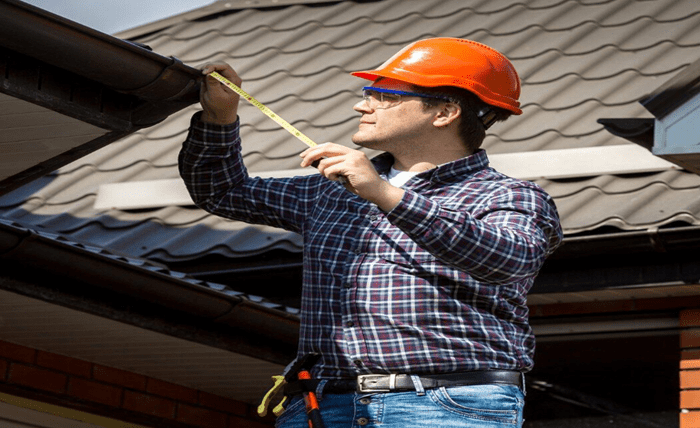
Buying a home is one of the biggest decisions you will ever make. It’s an exciting time, but it can also feel overwhelming. You want to find the perfect house that will meet your needs, fit your budget, and be safe for you and your family. However, there’s more to a home than just what you can see with your eyes. Hidden issues in the structure or systems of the house may not be obvious at first. That’s where residential inspectors come in.
A residential inspector helps make sure the home you’re thinking about buying is safe, secure, and free from serious problems. This article will explain why a residential inspection is so important, how it works, and how it helps protect you when buying a home. Keep reading to uncover all the details.
What Is a Residential Inspection?
A residential inspection is an examination of a home’s condition. A qualified inspector looks at many parts of the home, including the roof, walls, foundation, plumbing, electrical systems, and heating and cooling systems. The goal of the inspection is to find any problems that could lead to safety issues or expensive repairs. The inspector will give you a detailed report of what they find.
This can include things like small fixes, major repairs, or things that may need attention in the near future. The inspection helps you know exactly what you’re getting into before you buy the home.
Why Is a Residential Inspection Important?
The most important reason to get a residential inspection is to protect yourself. You may not always be able to see hidden problems during a normal walk-through. Some issues, like water damage, plumbing leaks, or faulty wiring, may not be obvious. An inspector has the training to look for these types of problems.
Without an inspection, you might end up buying a home that has expensive problems you didn’t know about. These hidden issues can lead to a lot of unexpected costs in the future. An inspection helps you avoid that.
What Do Residential Inspectors Look For?
Residential inspectors check many different parts of the home. They look at the roof to see if there are any leaks or damage. They check the foundation for cracks that might indicate serious problems. They inspect the plumbing, heating, and electrical systems to make sure everything works as it should.
They also check for things like mold, pest damage, and other issues that could affect the safety of the home. The inspector takes their time to thoroughly examine the home and make note of anything that could be a concern. After the inspection, you’ll receive a report that lists the condition of each part of the house, along with any issues that were found.
How Does a Residential Inspection Protect You?
A residential inspection protects you in many ways. First, it helps you avoid buying a home that has hidden problems. If an inspector finds issues with the home, you can use that information to decide whether you want to move forward with the purchase or walk away. Sometimes, the inspection report will show problems that are too big or too expensive to fix.
In that case, you may decide that the home isn’t right for you. Second, an inspection helps you negotiate with the seller. If the inspector finds problems, you can ask the seller to fix them before you buy the house or lower the price to help cover the cost of repairs. This can help you get a better deal on the home.
How to Find a Good Residential Inspector?
Finding the right residential inspector is key to making sure you get an accurate report. You want to hire an inspector who is experienced and reliable. Look for someone who is licensed and has a good reputation. You can ask friends, family, or your real estate agent for recommendations.
A good inspector should be thorough, detailed, and willing to answer any questions you have. They should also provide you with a clear, easy-to-read report that helps you understand the condition of the home. If you are in the Charlotte area, for example, you can consider Charlotte Home Inspections to get a professional inspection service.
How an Inspection Helps You Negotiate?
An inspection report can also be a powerful tool for negotiating with the seller. If the inspector finds any issues with the home, you can ask the seller to make repairs before you buy. You can also ask for a price reduction to cover the cost of fixing the problems. If the seller is unwilling to make repairs or lower the price, the inspection gives you the option to back out of the deal.
Knowing the condition of the home through a professional inspection helps you make a smart decision. It can also help you avoid costly surprises after you move in.
What Happens After the Inspection?
Once the inspection is completed, you will receive a report from the inspector. The report will outline all of the findings, including minor and major concerns. After you review the report, you can decide what to do next. Suppose the inspection reveals major issues, like a bad roof or a damaged foundation. In that case, you should rethink the purchase or consult Financial Planning Services to help you make a more informed financial decision before proceeding.
On the other hand, if the problems are small and easy to fix, you may feel comfortable moving forward with the purchase. You can also use the report to negotiate with the seller for repairs or a price reduction. The inspection helps you make an informed decision, which is one of the most important parts of buying a home.
The Peace of Mind You Need
In conclusion, a residential inspection is a vital part of buying a home. It ensures that you know exactly what you’re getting into and helps protect you from hidden problems that could be costly to fix. A thorough inspection can give you peace of mind, knowing that the home is safe and secure.
Always remember that a little extra time and money spent on an inspection can save you from big problems down the road. Expand your knowledge and check out more posts on our blog!