

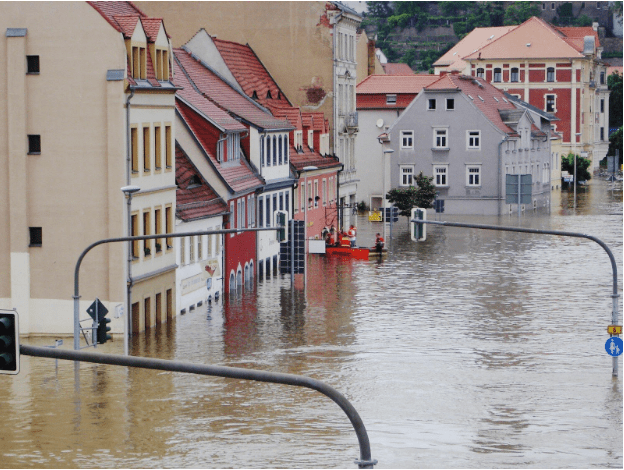
Experiencing a flood at home can feel overwhelming. Water can damage belongings, cause structural issues, and lead to mold growth if not managed quickly, warns Whole Management Littleton team.
Knowing how to tackle home restoration after such an event can make the process smoother and less stressful. With some organization and clear steps, you can restore your living space effectively.
Assess the Damage
The first step in your home restoration journey is assessing the damage. This means walking through your home and checking every room. Look for areas where water has accumulated. Some signs of water damage include:
- Wet floors or carpets
- Discolored walls or ceilings
- Musty odors
- Visible mold growth
Take notes or pictures of the damage, as these can be helpful later, especially if you file an insurance claim. It’s important to gauge the severity of the water damage experienced. Clinching evidence can also help you decide whether to call in professionals.
Safety First
Before jumping into the cleanup, make sure it’s safe to do so. Turn off the electricity in affected areas to avoid electrical hazards. If the flood waters came from sewage or a nearby river, wear protective gear like gloves and masks. Getting your house dry is important, but your safety comes first!
Remove Standing Water
Next, you need to remove any standing water. If the water is minimal, you can use mops and buckets to soak it up. For larger amounts, consider using a wet-dry vacuum if you have one. Renting a pump may be a good option for significant flooding.
After removing the water, it’s time to start drying everything out. Open windows and doors to promote air circulation. Use fans and dehumidifiers to speed up the drying process. This step is crucial to prevent mold growth and further damage.
Clean and Disinfect
Cleaning everything that was affected by the flood is essential. Items that cannot be cleaned should be discarded. For surfaces and materials that are salvageable, a mixture of water and detergent can be used to scrub them down.
After cleaning, it’s also vital to disinfect surfaces. Use a solution of 1 cup of bleach to 5 gallons of water. This will help kill any remaining bacteria and reduce health risks. Be sure to wear appropriate protective gear while doing this, as bleach can be harmful if inhaled or if it comes into contact with skin.
Repair and Replace Damaged Items
Now comes the time for repairs. Drywall, insulation, and flooring that got wet may need to be replaced. Hire an expert for major repairs to your home restoration. This is important to ensure the work is done safely and correctly.
If furniture was affected, try to save what’s possible. Wooden furniture can be dried out and refinished, while upholstered furniture may need to be replaced if it has absorbed too much water.
Call for Help If Needed
Remember, restoration is a big task and can require a lot of work. If the damage is extensive or the cleanup feels too much to handle, don’t hesitate to call professionals.
Experts in water damage have the right tools, training, and experience to restore your home efficiently. They can assess the situation, remove water, and help with repairs. Getting help can make the restoration project much easier.
Getting Back to Normal
Flooding is a challenging experience, but a little preparation can ease home restoration. Follow these steps to clean, repair, and protect your home. Each step you take makes a difference, helping you move back toward normalcy.
For more helpful tips, check out the rest of our site today.