

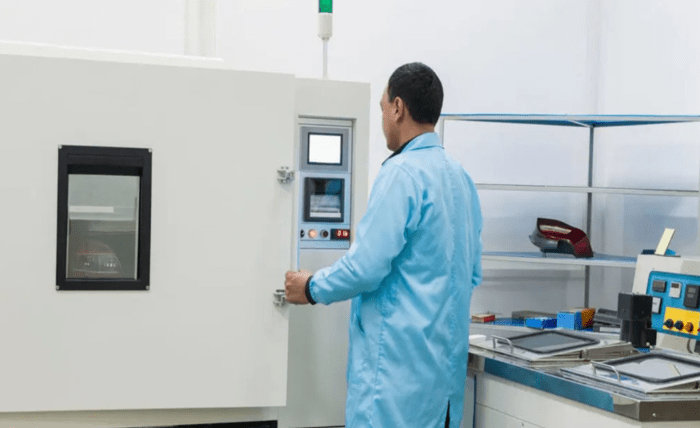
Environmental chamber testing is a way to see how products behave under tough conditions like extreme heat, cold, or humidity. It’s like giving your product a mini weather test to make sure it works anywhere. From car parts to electronics, many industries depend on these tests to keep things safe and reliable.
But here’s the catch; these chambers can use a lot of energy! If you’re not careful, your testing setup could cost more than it should, and harm the environment too. That’s why energy-efficient testing isn’t just smart; it’s necessary. Let’s break it down in a way that’s easy, smart, and eco-friendly.
What Is Environmental Chamber Testing?
Environmental chamber testing is a way to check how products hold up under different weather conditions. These tests happen inside special rooms called environmental chambers.
These chambers can change the temperature, humidity, and other factors to see how a product reacts. This kind of testing helps make sure products are safe, strong, and ready for real-world use.
Why Do We Need Environmental Chamber Testing?
Imagine if your phone stopped working after being left in the sun or got damaged in the rain. Environmental chamber testing helps prevent that. By testing products in controlled environments, companies can find weak spots before the products reach customers. This saves time, money, and keeps people happy with reliable products.
What Happens Inside an Environmental Chamber?
Inside an environmental chamber, the air temperature can be made very hot or very cold. The humidity can be set to dry or very wet. Sometimes, chambers even simulate shaking or vibration to test how well products handle movement. The goal is to mimic the tough conditions a product might face in real life.
Which Industries Use Environmental Chamber Testing?
Many industries rely on environmental chamber testing. Car makers use it to check parts in freezing winters or hot summers. Electronics companies test gadgets to make sure they don’t overheat or fail in bad weather. Even food and medicine industries use these tests to check how their products last over time.
The Energy Side of Environmental Chamber Testing
While these chambers are great for testing, they can use a lot of energy. Running extreme temperatures and humidity settings takes power. That’s why making environmental chamber testing energy-efficient is important. It helps save money and protects the environment.
Why Energy Efficiency Matters in Testing
Energy efficiency matters a lot when it comes to stability chamber testing. These tests often need a lot of power to create extreme conditions like very hot or very cold temperatures. Using too much energy not only increases costs but also impacts the environment.
Understanding why energy efficiency is important helps companies save money and protect the planet.
How Much Energy Does Testing Use?
Environmental chambers can run for hours or even days to complete tests. During this time, they work hard to keep the inside at the exact temperature and humidity needed. This constant effort uses a lot of electricity, which can add up to big energy bills. If the testing process isn’t energy-efficient, it wastes power and money.
The Environmental Impact
Using large amounts of energy often means burning more fossil fuels, which releases greenhouse gases. These gases contribute to climate change and pollution. By making testing more energy-efficient, companies can reduce their carbon footprint. This helps protect the environment and supports global efforts to fight climate change.
Benefits of Energy-Efficient Testing
When companies focus on saving energy during testing, they get more than just lower bills. Energy-efficient practices can improve the life of the testing equipment, reduce heat waste, and make the workspace safer and more comfortable. Plus, it shows customers and partners that the company cares about being responsible and green.
The Future of Testing
Energy efficiency is becoming a must-have in every industry, including environmental testing. As technology improves, newer testing chambers use less power while still giving accurate results. Choosing energy-efficient equipment and following smart testing habits helps businesses stay competitive and eco-friendly.
Smart Ways to Save Energy During Chamber Testing
Saving energy during environmental chamber testing is easier than you might think. By making simple changes and using smart habits, you can lower energy use without sacrificing test quality. Here are some practical tips to help you test more efficiently and reduce costs.
Choose the Right Chamber Size
One of the easiest ways to save energy is by using the right size chamber for your test. A smaller chamber uses less energy because it has less space to heat or cool. Avoid using a large chamber if your product can fit comfortably in a smaller one. This simple step can make a big difference.
Plan and Program Tests Carefully
Before starting, plan your tests well. Use pre-set programs to run only the necessary test cycles. Avoid leaving chambers running longer than needed. This reduces wasted energy and keeps testing on schedule.
Keep Chambers Well Sealed
Doors and seals on environmental chambers need to be tight. Any gaps or leaks let conditioned air escape, causing the chamber to work harder and use more energy. Check seals regularly and fix any damage quickly.
Regular Maintenance Matters
Keeping chambers clean and in good working order helps them run efficiently. Dust or dirt on cooling units or filters can make machines work harder. Regular maintenance reduces energy waste and prevents breakdowns.
Use Energy-Saving Features
Many modern chambers have energy-saving modes or smart controls. These can adjust power use during idle times or when full power isn’t needed. Take advantage of these features to cut down energy consumption.
Shorten Test Times When Possible
Finally, look for ways to shorten how long tests take without lowering quality. Better planning, faster setups, or improved procedures can all help finish tests quicker and save energy.
Tools and Tips for Long-Term Energy Efficiency
Making environmental chamber testing energy-efficient isn’t just about quick fixes. It’s also about using the right tools and habits to keep saving energy over time. Here are some tools and tips to help your testing stay green and cost-effective in the long run.
Use Energy Monitoring Tools
Energy monitoring tools track how much power your chambers use. These tools can show you when energy use is highest and help spot waste. By understanding your energy patterns, you can make smarter decisions to cut back on power use without affecting test results.
Train Your Team
A well-trained team knows how to run tests efficiently. Teaching staff simple energy-saving habits—like closing chamber doors quickly or turning off equipment when not in use—can add up to big savings. Make energy efficiency part of your regular training.
Schedule Regular Energy Audits
Regular energy audits check how your chambers and processes use power. These audits help identify problems like leaks, outdated equipment, or inefficient settings. Fixing these issues keeps your testing running smoothly and saves energy.
Upgrade to Energy-Efficient Equipment
Older chambers often use more energy. When possible, upgrade to newer models designed with energy efficiency in mind. These chambers use advanced technology to deliver precise testing with less power.
Implement Green Certification Programs
Joining green certification programs can motivate your team to maintain energy-saving practices. Certifications also show customers that your company cares about the environment, which can boost your reputation.
Keep Improving Your Process
Energy efficiency is an ongoing goal. Regularly review your testing methods and look for ways to improve. Small changes over time can lead to big energy savings and a smaller environmental impact.
Conclusion
Energy-efficient environmental chamber testing helps you save money, protect the planet, and get better results. By making small changes and smart choices, you can test smarter, not harder. Stay consistent, stay efficient, and your tests will do the job without draining your energy or your budget.