

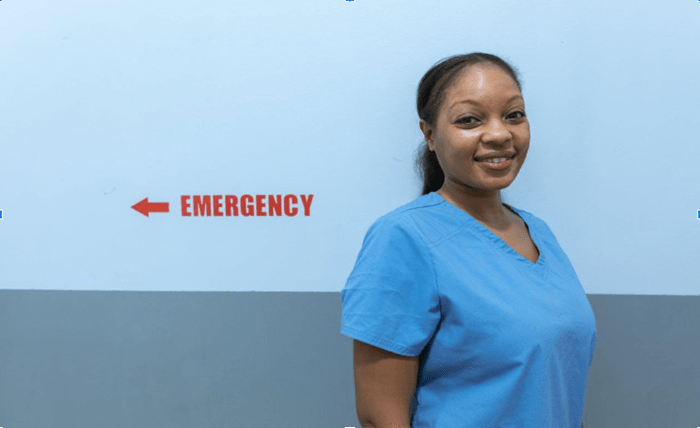
Ever sat in a hospital waiting room and wondered how the staff keeps up? Healthcare changes fast—new tools, new treatments, constant updates. Behind every chart and screen is someone learning on the go.
But growth takes more than effort—it takes funding. Time, tools, and training all come at a cost. And with healthcare systems stretched thin, one big question keeps coming up: Where does learning fit into the budget?
With burnout rising and public expectations growing, continued education is no longer optional. It’s essential.
In this blog, we will share how healthcare organizations can prioritize professional growth—strategically, sustainably, and without compromising care.
Understanding the Value Behind the Numbers
Training often feels like a luxury in tight-budget years. It’s one of the first things on the chopping block when hospitals review expenses. Ironically, cutting it usually leads to more costs down the line. Mistakes, turnover, inefficiency, and even lawsuits can stem from gaps in learning.
Today’s healthcare professionals aren’t just showing up for shifts. They’re navigating new diseases, digital systems, and policy changes—all while trying to maintain empathy and composure. This kind of mental juggling requires support. And support often looks like access to learning.
Continuing Medical Education (CME) provides that structured path. It gives clinicians a way to stay current, grow their skill sets, and meet industry standards. Knowing how to get CME accreditation isn’t just for prestige—it’s about creating in-house programs that meet recognized benchmarks. Accreditation shows that a provider’s education offerings are structured, evidence-based, and free from commercial influence.
By investing in accredited learning, healthcare organizations avoid the guesswork. They offer staff a meaningful way to grow, meet licensure requirements, and ultimately improve patient care. For finance teams, this creates a compelling case: money spent on learning becomes money saved on errors, staff exits, and patient dissatisfaction.
And when that learning is internal—developed through a system with the right credentials—it builds organizational strength, not just individual progress.
Why Now Is the Time to Prioritize Growth
The last few years have changed everything. The COVID-19 pandemic stretched the system to its limits. It reminded us that healthcare workers aren’t superhuman. They’re trained professionals who need rest, support, and regular upskilling.
At the same time, technology has flooded the field. From AI-assisted diagnostics to remote monitoring tools, today’s tools require a completely different level of tech literacy. If staff can’t keep up, patient care suffers. So does morale.
Meanwhile, public expectations are higher than ever. Patients now demand shorter wait times, digital access to records, and more personalized care. These are fair demands—but meeting them requires more training, not less.
This shift means professional growth can no longer be seen as “extra.” It is, in every sense, part of operational excellence. If you want a hospital to run well, you need people who are not only skilled but continually sharpening those skills.
And it’s not just about the clinical side. Administrative teams, billing staff, and compliance officers also need ongoing education. Rules shift, software updates, and small missteps can lead to big issues. Allocating resources across the board—not just in the surgical wing—creates smoother systems.
Balancing Budgets Without Sacrificing Quality
Yes, budgets are tight, especially in smaller practices or underfunded systems. But resource allocation doesn’t always mean pouring money into expensive programs. It’s about smart distribution.
Sometimes that means shifting from in-person training to webinars. Or replacing one-day workshops with on-demand learning platforms. It may also mean partnering with third-party providers who offer bulk pricing or flexible licensing.
Creating internal champions is another tactic. Instead of sending 50 staff members to an external course, train five thoroughly and let them bring the knowledge back. A train-the-trainer model not only saves money—it builds internal expertise.
It’s also important to look at what’s already working. Which teams perform well? Where are patient reviews strongest? Often, those pockets of excellence are tied to stronger learning cultures. Study them. Learn from them. Replicate them.
And while it’s tempting to view training as a cost center, treat it like a long-term investment. Track its outcomes. Look at staff retention rates before and after a learning initiative. Evaluate error reductions or improvements in efficiency. These numbers often tell a powerful financial story.
Rethinking ROI in Professional Development
Return on investment in healthcare doesn’t always show up on a balance sheet. But that doesn’t make it less real.
A nurse who knows how to manage a new piece of equipment reduces risk. A billing specialist who understands new insurance codes gets claims processed faster. A doctor trained in cultural competency makes a patient feel seen and understood. These improvements may seem small—but together, they raise the standard of care.
That’s worth measuring. But it requires institutions to look beyond traditional ROI. Surveys, peer feedback, patient outcomes, and even employee satisfaction should be considered. These indicators, while not strictly financial, often predict future costs or gains.
Hospitals and clinics that prioritize professional growth often see a reduction in staff burnout. Fewer resignations. Fewer agency hires. And let’s be honest—hiring a new specialist costs far more than keeping the one you already have trained, engaged, and confident.
Using Technology to Stretch Learning Dollars
Digital tools aren’t just flashy add-ons anymore—they’re essentials. And they can make resource allocation far more efficient.
Learning management systems (LMS), webinar platforms, and even mobile-friendly modules allow institutions to deliver high-quality education at scale. Features like automated attendance tracking, real-time assessments, and digital certificates save both time and administrative costs.
Platforms like BeaconLive, for instance, are built for this kind of delivery. They let providers manage content, track learner progress, and generate outcomes data—all from one dashboard. That level of oversight not only improves learning delivery but also makes it easier to justify funding.
Smart institutions treat these platforms not as expenses—but as infrastructure. Just like an electronic health record system or a secure email server, learning platforms deserve strategic attention.
Build the Learning Culture You Wish You Had
Every healthcare organization says they value education. But not all invest in it.
The ones that do—carefully, consistently, and with purpose—reap the rewards. Not just in clinical outcomes, but in workplace culture, staff retention, and public trust.
Allocating resources toward professional growth isn’t about flashy training days or one-time grants. It’s about weaving learning into the everyday fabric of your organization. Making it visible. Making it matter.
The healthcare future belongs to systems that grow, adapt, and teach from within. And that future starts with what you choose to fund today.