

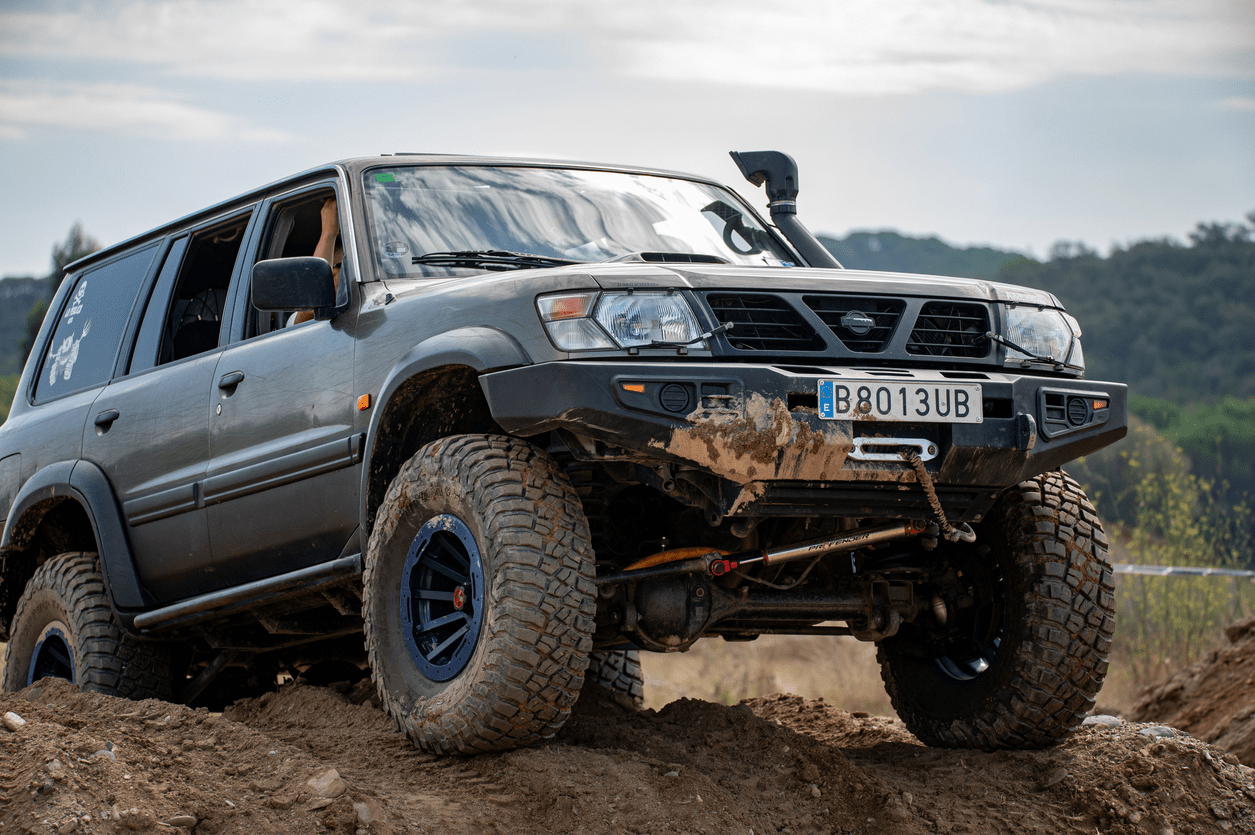
Suspension lifts aren’t just about looking tough (though that’s a nice bonus). We’re talking about changes in performance, handling, tyre fitment, and long-term maintenance. If you want to know how a 4×4 suspension system impacts your vehicle’s performance, read on.
Why Lift a 4×4? The Benefits and Trade-Offs
So, why do people lift their rigs? Simple—because it works. If you’ve ever dragged your undercarriage over a rock or felt your bumper bottom out on a steep incline, you know why more clearance matters. Here’s what you get with a lift:
●More ground clearance – Less scraping, more driving. It’s that simple.
●Better approach, departure, and breakover angles – Steep climbs and rocky descents get easier when you’ve got the clearance to handle them.
●Room for bigger tyres – Bigger rubber means better grip, better shock absorption, and an all-around smoother time on rough terrain.
Impact on Handling and Ride Quality
Lifting a 4×4 doesn’t just change how it looks—it changes how it drives. When you lift it, the centre of gravity goes up, which means more body roll when you take corners. Ever felt like you were gonna roll right off the road during a sharp turn? Yeah, that’s what we’re talking about.
But off-road? Totally different story. A lift helps keep your tyres planted on uneven ground, which means better traction and more control when you’re crawling over rocks or plowing through mud. Different suspension types react differently to lifts:
●Coil springs – More flex and a smoother ride off-road, but they can feel a bit sloppy on the highway.
●Leaf springs – Stiff and rugged, but your back might feel it after a long drive.
●Independent setups – Great on the road, not as much flex off-road.
Let’s not forget shocks. Get the wrong ones, and you’ll either feel like you’re riding a cloud or bouncing like a basketball. It’s all about finding the optimal balance.
Tyre Fitment and Clearance: Getting the Right Setup
Bigger lift, bigger tyres—that’s the goal, right? But it’s not as simple as throwing on the biggest set of mud-terrains you can find.
What you get with bigger tyres:
●More grip, more traction – This is true, especially when you’re crawling over rocks or cutting through sand.
●Higher sidewalls – Helps soak up the bumps and keep the ride from feeling too harsh.
The downside?
●Rubbing – If the tyres are too big or not aligned right, they’ll rub against the wheel wells or suspension.
●Bad alignment – Bigger tyres can mess with your alignment, which leads to uneven tyre wear and a sketchy ride.
Wheel offset and backspacing matter more than most people realise. If the tyres sit too far out or too close in, you’re gonna feel it. That’s why pro installation matters. The right setup means better handling and longer tyre life.
Suspension Geometry and Alignment Challenges
Lifting your 4×4 throws off the whole suspension geometry. Suddenly, your control arms, tie rods, and steering links are at weird angles—and that’s when you start getting bump steer (a.k.a. when the steering wheel jerks every time you hit a bump).
Camber and caster angles also get thrown out of whack. That means your tyes might start wearing unevenly, and your steering might feel loose or twitchy. It’s less than ideal when navigating a rocky trail.
The fix? Adjustable control arms and upgraded steering components. And for the love of all things off-road, get a proper alignment after you lift it. Trying to eyeball it in the driveway isn’t going to cut it.
Performance On and Off the Road: What to Expect
A 4×4 suspension lift makes a night-and-day difference off-road. On the road, though? Well… let’s just say you’ll need to adjust your expectations.
Off-road perks:
●Better traction – Bigger tyres plus higher clearance mean more grip in mud, sand, and rocks.
●Increased flex – Better articulation means your tyres stay in contact with the ground more often.
●No more scraping – Higher clearance means less damage to your undercarriage.
On-road trade-offs:
●Worse fuel economy – Bigger tyres and higher wind resistance mean you’ll be hitting the fuel pump more often.
●Slower acceleration – More weight is slower off the line.
●Longer stopping distance – Bigger tyres mean more mass to slow down.
Tuning your shocks and spring rates helps balance things out. Go too soft, and you’ll be bouncing around. Too stiff, and you’ll feel every crack in the road. Finding that middle ground is key.
Long-Term Maintenance and Wear
Lifting a 4×4 isn’t a “set it and forget it” deal. Bigger tyres and higher suspension angles put more strain on your rig’s components.
Keep an eye on:
●CV joints and driveshafts – Steeper angles = quicker wear.
●Bushings and ball joints – More stress means they’ll wear out faster.
●Tie rods – Bigger tyres and more aggressive steering mean more pressure.
Stay on top of maintenance:
●Check for loose bolts – They can work loose over time.
●Monitor your shocks – Leaks are bad news.
●Keep things greased – It’ll extend the life of your suspension parts.
In the end, lifting your 4×4 is a game-changer, but it’s not a free pass. Handling, tyre wear, and fuel economy are all gonna take a hit. But if you dial in the right lift height, get the right tyres, and keep up with maintenance, you’ll have a rig that handles the rough stuff like a beast—and still holds its own on the road.
Thinking about lifting your 4×4? Talk to someone who’s been there, done that. It’s one of those mods that pays off big time if done right. Better yet, go straight to your local dealer and choose time-tested brands like Ironman 4×4. You can’t go wrong with something that’s proven their worth in the field of off-road driving.